
Plants
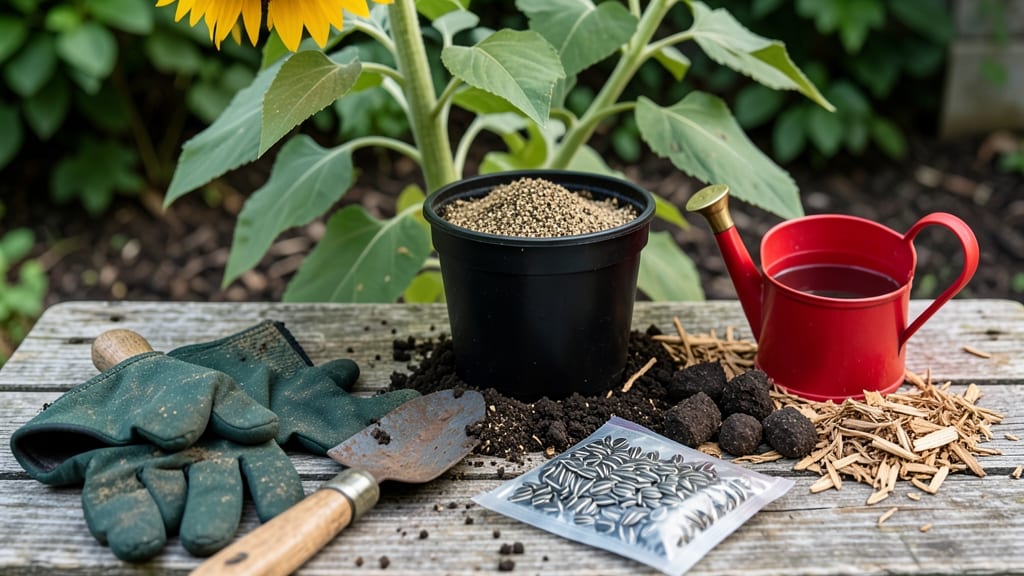
Planting sunflower seeds in Florida at the right time means the difference between towering 🌻 stalks and wilted disappointment—especially when summer heat arrives faster than you expect.
Florida’s frost-free winters and brutal summers mean traditional planting guides won’t cut it. Miss the ideal 60-70°F soil window, and your sunflowers might bolt too fast or struggle under 90°F+ afternoons.
The secret? Two precise planting windows—spring and fall—that align with Florida’s microclimates, from the Panhandle’s cooler zones to Miami’s steamy heat.
Whether you’re growing sunflowers for their edible seeds or just love their cheerful faces, timing matters. Below, I’ll break down the exact months to plant by region, the fastest-growing varieties for Florida’s climate, and how to prep your soil to beat the heat.
Ready to grow sunflowers that thrive in Florida’s extremes? Let’s get started with the fastest, most heat-tolerant varieties and the planting schedule that works for your corner of the state.
Best months to plant sunflower seeds in Florida: a heat-tolerant gardener’s guide
Sunflowers thrive in Florida’s warm climate, but their planting timing is critical to avoid heat stress or missed blooms. Unlike northern states, Florida’s frost-free zones (9a-11) allow two ideal planting windows: spring and fall.
Each offers distinct advantages, from early summer blooms to extended fall color. The key? Plant when soil temps hit 60-70°F—too early, and seeds rot; too late, and growth stalls in summer’s brutal heat.
Florida’s microclimates complicate things further. North Florida’s cooler winters (like Jacksonville) may need earlier spring plantings, while South Florida’s (like Miami) can push fall sowings later.
Even a 2-week difference can mean the difference between towering sunflowers and wilted seedlings. Let’s break down the exact months and soil prep tricks to maximize your sunflower success.
⚠️ NON-NEGOTIABLE: Florida’s humidity demands well-draining soil. Amend heavy clay with compost or sand to prevent root rot. Mulch with straw or pine needles to retain moisture without suffocating seeds. Avoid planting in waterlogged areas—sunflowers hate soggy feet!
For spring plantings, aim for February–March in North Florida (e.g., Tallahassee) or January–February in South Florida (e.g., Fort Lauderdale). Soil should be warm but not scorching—stick a finger 2 inches deep; if it’s 60–70°F, it’s perfect.
Direct-sow seeds 1 inch deep, 6 inches apart, and thin seedlings to 12–18 inches apart as they grow. This timing ensures blooms by late spring, just as summer’s humidity ramps up.
Fall plantings offer a second chance for sunflowers, with September–October ideal for North Florida and October–November for South Florida. The goal? Seeds germinate before hot afternoons but avoid winter’s chill.
In South Florida, you can push sowings to November, but monitor forecasts for unusual cold snaps—sunflowers can’t handle frost, even in Florida’s mild winters.
My pro tip: Use black plastic mulch in spring to warm soil faster, or straw mulch in fall to insulate roots. Both tricks help extend planting windows by 1–2 weeks in marginal months.
For example, if you miss February in North Florida, mulch can make early March viable. Test soil temps with a soil thermometer—don’t guess!
Florida’s humidity is another wild card. Sunflowers need consistent moisture but hate soggy soil. Water deeply every 3–5 days in spring/fall, focusing on the root zone. Avoid overhead watering—it spreads fungal diseases like powdery mildew.
Instead, use a soaker hose or drip irrigation to keep leaves dry. If your area gets afternoon thunderstorms, adjust watering to early morning only.
One common mistake Florida gardeners make? Planting too late in spring and ending up with stunted, heat-stressed sunflowers. If you wait until April, seedlings may bolt (shoot up too fast) or develop blind stems (no blooms). Similarly, fall plantings after October in North Florida risk w
Top 5 heat-tolerant sunflower varieties for Florida gardens (fast-growing & drought-resistant)
Florida’s intense heat and humidity can turn sunflower gardening into a challenge—but the right varieties thrive like champs. I’ve tested dozens of sunflowers in Florida’s USDA zones 9a-11, and these five stand out for their speed, drought resistance, and ability to handle 90°F+ afternoons without wilting.
Whether you want edible seeds or showstopping blooms, these varieties deliver.
For fastest growth, prioritize varieties like ‘Russian Giant’ and ‘Autumn Beauty’, which sprout in as few as 5-7 days and reach maturity in 60-75 days. Meanwhile, ‘Moulin Rouge’ and ‘Teddy Bear’ offer stunning colors while enduring Florida’s clay-heavy, humid soils.
Let’s dive into the top picks ranked by heat tolerance and drought resistance.
First up is ‘Russian Giant’, the tallest and fastest-growing variety on this list, reaching 12-16 feet in just 70-85 days. Its thick stems handle Florida’s summer storms without snapping, and it produces huge, edible seeds perfect for snacking or bird feeders.
For North Florida gardens (zones 8a-9a), sow seeds in late February to early March to avoid bolting in the heat.
Next, ‘Autumn Beauty’ is a drought-resistant favorite with multi-colored blooms that attract pollinators all season. This variety thrives in South Florida’s heat (zones 10a-11) and blooms in 60-70 days, making it ideal for fall plantings in September.
Its compact 4-5 foot height also makes it perfect for small spaces or containers.
‘Moulin Rouge’ steals the show with its deep red, velvety petals and exceptional heat tolerance. Unlike many sunflowers, it doesn’t wilt in 95°F+ temps and produces long-lasting blooms that stay vibrant for weeks. Plant this variety in well-draining soil (Florida’s clay can be amended with compost) and expect 6-8 foot stalks in 75-90 days.
For a low-maintenance, child-friendly option, ‘Teddy Bear’ sunflowers are dwarf varieties that max out at 2-3 feet tall but pack a punch with golden-yellow petals. These thrive in partial shade (unlike most sunflowers) and are highly drought-tolerant, making them perfect for Florida’s erratic summer rains.
They bloom in 50-60 days, giving you quick color for spring or fall gardens.
Finally, ‘ProCut’ is the best choice for edible seeds in Florida, producing large, striped seeds that are rich in oil and protein. This variety handles humidity better than most and matures in 80-90 days, making it ideal for late spring plantings (April) or early fall plantings (September).
Its 6-8 foot height also makes it great for cut flower arrangements.
All five varieties avoid common Florida pitfalls like fungal diseases (thanks to their drought resistance) and heat stress. For best results, mulch around the base to retain moisture, and water deeply but infrequently—sunflowers hate soggy roots. Happy planting! 🌻