
Flowers
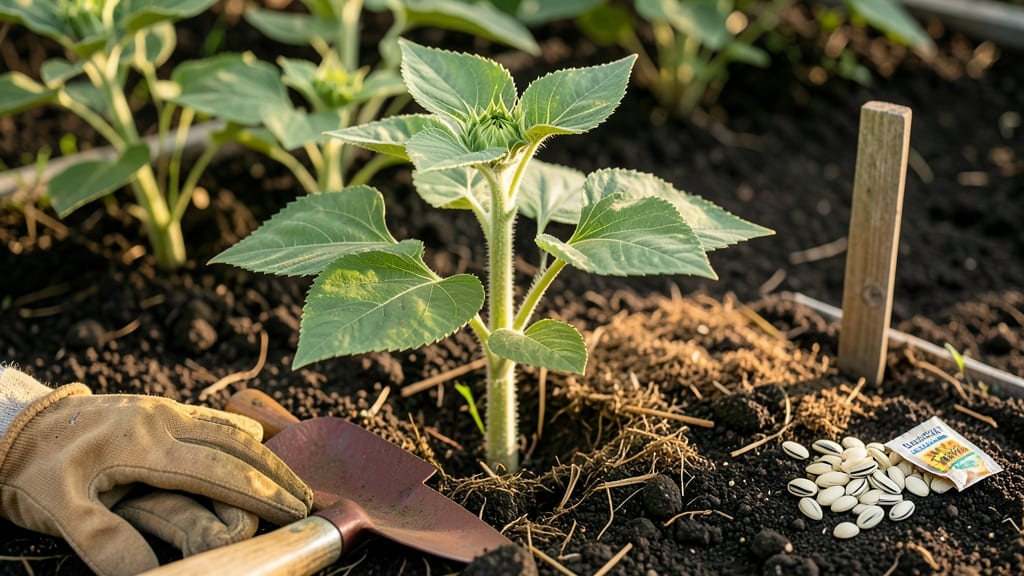
Planting sunflowers in New England after your last frost date—typically mid-April to early May—sets the stage for those towering 🌻 blooms you’ve been dreaming of.
But here’s the catch: Get the timing wrong, and you’ll either watch your seeds rot in cold soil or have them bolt too fast in the heat. New England’s short growing season means every week counts, and your sunflowers need 165 frost-free days to reach their full potential.
Whether you’re in coastal Maine or inland Vermont, the right planting window depends on your USDA zone, soil temperature, and even microclimates in your yard. I’ll break down the exact dates, variety-specific tricks, and how to stretch your season with simple adjustments.
By the end, you’ll know not just when to plant, but how to give your sunflowers the best shot at thriving—even when New England throws curveballs like late frosts or early heatwaves.
New England sunflower planting calendar by USDA zones 5B-6A
New England’s short growing season and unpredictable frost dates make timing critical for sunflowers. Plant too early, and frost will kill seedlings; too late, and you’ll miss peak summer blooms.
The key is aligning your planting with soil temperatures and last-frost averages, which vary by just weeks across zones 5B-6A. Let’s break down the exact windows for your region.
In USDA Zone 5B, where winters are colder, aim for mid-May to early June for spring planting. Zones 6A (like southern New Hampshire or coastal Maine) can start slightly earlier—late April to mid-May—but always wait until the soil reaches 55°F (13°C).
Fall planting is riskier but possible in Zone 6A with 8-10 weeks until first frost.
Soil temperature is your best guide, not just calendar dates. Use a soil thermometer to confirm it’s warmed to 55°F (13°C) at 2 inches deep. Cold soil delays germination, leaving seedlings vulnerable. In Zone 5B, this often aligns with late May, while Zone 6A may hit it by mid-May.
Here’s your zone-specific planting calendar, including deadlines to avoid frost damage and adjust for early/late varieties:
For Zone 5B gardeners, focus on fast-maturing varieties (60–70 days to harvest) like ‘Teddy Bear’ or ‘Moulin Rouge’. These give you the best chance to bloom before first frost in October.
In Zone 6A, you can stretch to 90-day varieties like ‘Russian Giant’ or ‘Autumn Beauty’ for later harvests.
Pro tip: Direct sow seeds after your last frost date—sunflowers hate transplanting. Scatter seeds 1 inch deep and 6 inches apart (12 inches for giants). Thin seedlings to 12–24 inches apart once they’re 4–6 inches tall to prevent overcrowding and disease.
If you’re tempted to plant earlier for a head start, use black plastic mulch to warm the soil 2–3 weeks faster. Just avoid covering seeds directly—it can overheat them. For fall planting in Zone 6A, start seeds indoors in late June and transplant outdoors by mid-July.
Watch for false springs—those warm spells in April that trick you into planting early. Sunflowers need consistent warmth to thrive; a late frost after germination can wipe out your whole crop. When in doubt, wait until mid-May in Zone 5B or early May in Zone 6A.
Remember, sunflowers are resilient once established, but timing is everything for those iconic summer blooms. Mark your calendar, check soil temps, and you’ll be rewarded with towering sunflowers that attract pollinators and fill your garden with joy. Happy planting! 🌻
How to adjust sunflower planting for early vs. late varieties
New England’s short growing season means not all sunflowers are created equal. A 60-day dwarf variety like 'Teddy Bear' can handle a late start, while a 120-day giant like 'Russian Giant' needs an early head start. The key? Matching your variety to your last frost date and microclimate.
Coastal areas like Maine or Massachusetts often have later frosts, giving you a 3-4 week window to adjust planting. Inland zones like Vermont or New Hampshire, with earlier springs, can start sooner—but watch for late frost risks in May.
I’ll show you how to fine-tune your schedule for each type.
🌱 Comparison Table: Sunflower Varieties by Maturity & Planting Strategy
For coastal New England, where last frosts can linger until June 1, prioritize dwarf or mid-season varieties. Their shorter maturity means they’ll still bloom before early fall frosts.
In inland areas, where springs arrive earlier, you can push giant varieties—but harden them off if nighttime temps dip below 50°F.
Pro tip: Use soil thermometers to confirm 55°F+ soil temps before planting. Cold soil delays germination, and sunflowers hate waiting. If your ground stays chilly past May 15, opt for container growing or a black plastic mulch to warm the soil faster.
Remember, succession planting is your secret weapon. Sow dwarf varieties every 2 weeks from late May to early July for continuous blooms until frost. Giant sunflowers? Stick to one early planting—they’re all about that first flush of height before summer heat sets in.
🌻 Now you’re ready to pick the perfect sunflower for your New England patch—and watch them reach for the sky, no matter when you plant!