
Flowers
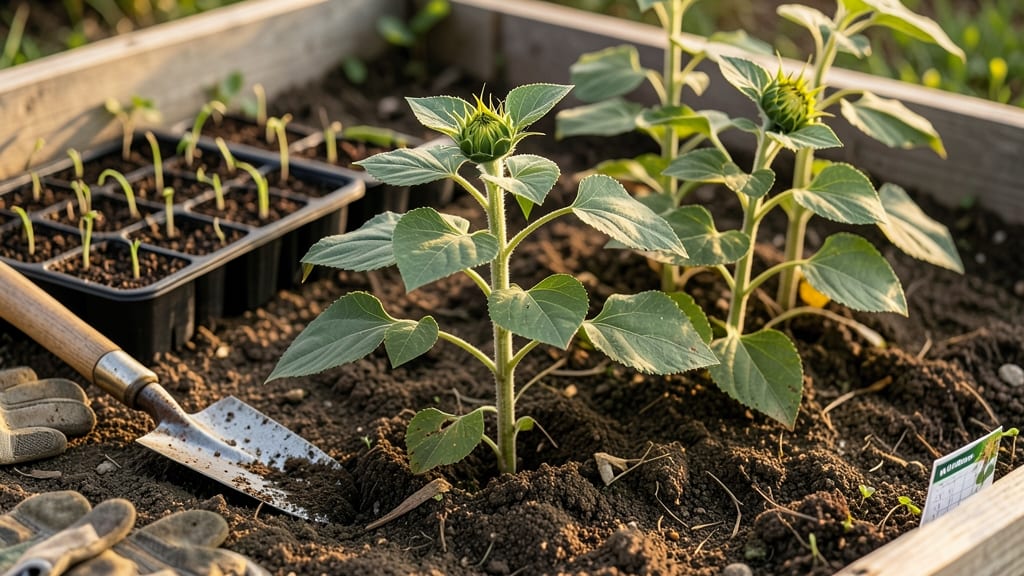
Plant sunflowers in New Jersey between late April and early July to avoid frost damage and ensure vibrant blooms 🌻—the key is timing your seeds to the last frost date for your microclimate.
Picture this: you’ve prepped the soil, marked your rows, and your sunflower seeds are ready to go—only to watch them freeze overnight because you planted too early. It happens more often than you’d think, especially in NJ’s unpredictable spring.
But here’s the good news: with the right tricks—like using row covers, choosing cold-hardy varieties, or planting near a south-facing wall—you can stretch that window by 30 days or more. That means more time for those towering 10-foot stalks to reach their full potential.
Below, I’ll walk you through the exact planting dates for your USDA zone, plus the microclimate hacks that let you plant earlier (or later) without risking frost. No more guesswork—just sunflowers that thrive.
NJ sunflower planting dates by hardiness zone (with frost-proof timelines)
New Jersey’s USDA zones 6b-7a create a unique challenge for sunflower lovers—late spring frosts can still strike after the official last frost date, while summer heat arrives early in southern regions.
To maximize your sunflower blooms, timing is everything. I’ve broken down the optimal planting windows based on real NJ data, including soil temperature thresholds and transplanting strategies to outsmart frost.
Most NJ gardeners focus on May planting, but the truth is more nuanced. Coastal areas like Cape May (zone 7a) can plant 2-3 weeks earlier than inland zones like Sussex County (zone 6b).
The key? Monitoring soil temperatures—seeds need 55°F+ to germinate reliably. I’ll show you exactly how to check this and adjust your schedule.
Direct sowing vs. transplanting also changes the game. While many gardeners swear by direct sowing after frost, starter plants give you a 3-week head start—critical if you’re in zone 6b where frosts linger. Below, I’ve mapped out both methods with frost-proof timelines tailored to NJ’s microclimates.
For direct sowing, aim for 2-3 weeks after your last frost date—this gives seedlings time to establish before summer heat peaks. In zone 6b, that often means late May, while zone 7b gardeners can start as early as mid-April.
Pro tip: Use a soil thermometer to confirm 55°F+ at 2-inch depth before planting.
If you’re transplanting sunflower starter plants, you can push the envelope by 4-6 weeks earlier than direct sowing. This is especially useful in urban microclimates where buildings or pavement create warmer pockets. Just be prepared to protect seedlings with frost cloth if nighttime temps dip below 40°F.
One of my favorite NJ-specific tricks is using black plastic mulch to warm soil faster. Lay it down 2 weeks before planting in cooler zones (6b) to raise soil temps by 5-10°F.
Coastal gardeners in zone 7b can even try late August sowings for fall blooms if they use row covers to protect against early frosts.
To calculate your local frost risk, subtract your last frost date from June 15 (the ideal bloom window). For example, if your last frost is May 5, you have 72 frost-free days—plenty for 60-day varieties but tight for 100-day giants.
Use this formula to adjust your planting date: (120 - frost-free days) = weeks to plant earlier.
Remember, sunflowers are drought-tolerant once established, but they hate soggy soil. In NJ’s unpredictable spring rains, I recommend planting in raised beds or on mounds to prevent root rot. Add compost at planting time for extra insurance against our variable NJ weather.
For fall planting, coastal areas can try late August sowings with row covers, but inland zones should wait until September 1 to avoid frost.
Test a few seeds in pots first to see how your microclimate responds—this is how I discovered my zone 6b garden can support fall sunflowers if planted by August 20.
🌻
Microclimate secrets: how to plant sunflowers 2-4 weeks earlier (or later) in NJ
New Jersey’s diverse microclimates mean your sunflower seeds can thrive weeks outside the standard planting window. Whether you're in urban Newark, coastal Cape May, or inland Sussex County, these tricks let you push your growing season earlier or later without frost risk.
The key? Understanding how to protect seedlings and warm the soil naturally.
Coastal areas like Atlantic City experience milder winters, while inland valleys like Delaware Water Gap face harsher late frosts. Urban heat islands in Jersey City can create pockets where sunflowers sprout 2 weeks earlier than rural areas.
By leveraging these natural advantages—and a few simple tools—you can extend your sunflower season by up to 30 days on either end.
- 🌡️ Soil Warming: Use black plastic mulch or clear row covers to raise soil temps by 10-15°F in spring. Ideal for late April plantings in Zone 6b.
- 🌬️ Windbreaks: Plant sunflowers near fences or shrubs to reduce wind chill. Coastal areas gain 5-7°F protection from salt-spray barriers.
- 🌱 Row Covers: Lightweight frost cloth extends spring plantings by 2-3 weeks. Remove when temps hit 50°F during the day.
- 🌿 Urban Heat Islands: Concrete/jungle areas in Paterson can plant 10 days earlier than rural zones. Monitor soil temps with a thermometer.
- 🌧️ Rain Shelters: Clear plastic hoop houses prevent late-spring frosts in inland valleys. Ventilate on warm days to avoid overheating.
For earlier plantings, focus on soil warming first. Lay down black plastic mulch 2 weeks before your target date to raise soil temps to 55°F+. In coastal NJ, this lets you plant sunflower seeds by late March—a full month ahead of inland areas.
Pair this with row covers for extra protection against unpredictable late frosts.
If you’re aiming for a later harvest, prioritize windbreaks and shade cloth. Inland valleys like Morris County often see first frosts by mid-October. By planting dwarf varieties near trees or walls, you can delay planting until early July while still enjoying blooms through September.
Just ensure your soil stays well-draining to prevent root rot from fall rains.
Pro tip: Test your microclimate’s frost risk by placing a thermometer near your garden for a week. If nighttime temps drop below 45°F, add a row cover or move seedlings to a sheltered spot.
This simple step can save your sunflowers from sudden freezes—even in Zone 7a.
With these strategies, you’ll turn NJ’s climate challenges into opportunities. Whether you’re chasing early summer blooms or fall harvests, your sunflowers will thrive—no frost damage in sight! 🌻