
Flowers
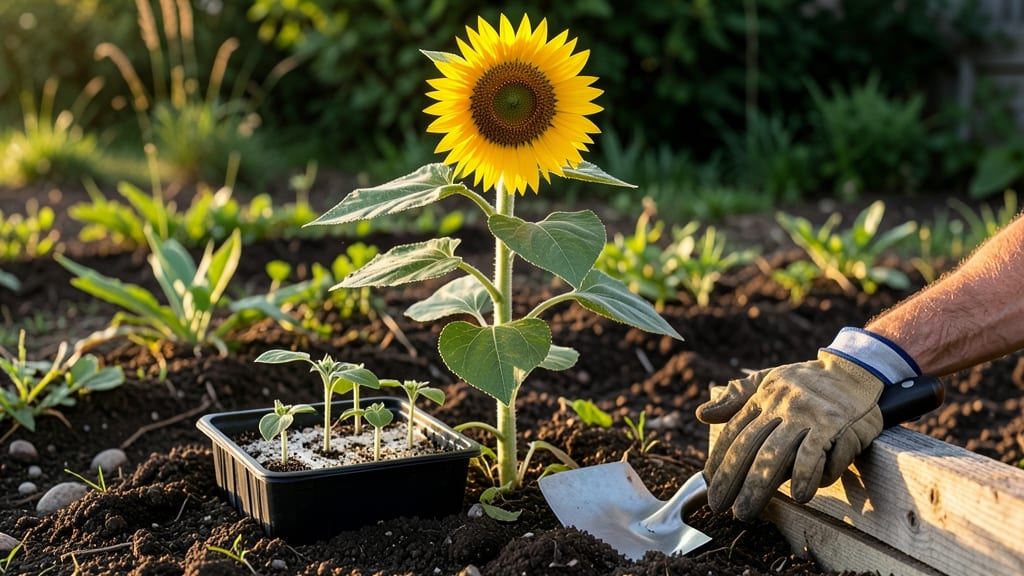
To plant sunflowers in North Texas, aim for late March through early May after the last frost—when soil temperatures hit 60°F and the heat is on its way.
Sunflowers thrive in North Texas’ long, hot summers—but planting them too early or late can mean wilted dreams before they even bloom. Timing is everything, and missing the sweet spot between frost risk and scorching heat could leave your garden empty-handed.
Most gardeners in Zone 8a wait until mid-April to avoid late frosts, but early May is still safe if you choose heat-tolerant varieties like ‘Moulin Rouge’ or ‘Autumn Beauty.’
Below, I’ll break down the exact frost-free window, soil prep secrets, and how to stretch your growing season for sunflowers that reach 10 feet tall by summer’s end.
North Texas sunflower planting deadlines by heat Zone (avoid frost & heat stress)
North Texas spans USDA Zones 7b through 9a, where sunflowers can grow spectacularly—but only if planted at the right time.
The last average frost date shifts from March 15 in Zone 7b to April 1 in Zone 9a, while summer heat can push soil temps to 100°F+ by June. Missing these windows means risking frost damage or heat stress.
For direct sowing, aim for soil temperatures above 55°F—typically late March to early May in most of North Texas. Transplants can go in slightly earlier (as early as February in Zone 9a), but they’ll need row covers if frost lingers.
The key is balancing warm soil with cool air temps to avoid bolting or stunted growth.
Here’s your heat-zone breakdown for planting sunflowers in North Texas, including last frost dates, soil temp thresholds, and the best heat-tolerant varieties for each zone. Use this as your planting calendar to maximize blooms and seed production.
| USDA Zone | Last Frost Date | Ideal Planting Window | Soil Temp Threshold | Best Varieties | Notes |
|---|---|---|---|---|---|
| 7b (Dallas, Fort Worth) | March 15 | Late March–Early May | 55°F+ | ‘Autumn Beauty’, ‘Moulin Rouge’ | Use row covers for early starts |
| 8a (Waco, Temple) | March 1 | Mid-February–Late April | 60°F+ | ‘ProCut Hybrid’, ‘Teddy Bear’ | Succession plant in June for fall blooms |
| 8b (Austin, San Antonio) | February 15 | January–Early May | 65°F+ | ‘Russian Giant’, ‘Sunspot’ | Plant shade cloth for summer |
| 9a (Lubbock, Amarillo) | April 1 | February–Late April | 70°F+ | ‘Evening Sun’, ‘Sunflower ‘Lemon Queen’ | Drought-tolerant varieties preferred |
In Zone 7b (Dallas/Fort Worth), where frosts linger until mid-March, start seeds indoors in late February for transplants. Direct sow after March 15 when soil temps hit 55°F. Varieties like ‘Autumn Beauty’ handle heat well but need consistent watering during 100°F+ spells.
For Zone 8a (Waco/Temple), you’ve got a 2-month window from mid-February to late April. Plant ‘ProCut Hybrid’ for cut flowers or ‘Teddy Bear’ for dwarf varieties. If you miss spring, try a late June planting for fall blooms—just use shade cloth to protect seedlings.
In Zone 8b (Austin/San Antonio), where heat arrives early, focus on January–early May plantings. ‘Russian Giant’ thrives here but needs deep, well-drained soil to avoid root rot. If planting in summer, water deeply every 5–7 days and mulch heavily to retain moisture.
Finally, Zone 9a (Lubbock/Amarillo) has the longest growing season. Plant ‘Evening Sun’ as early as January for summer blooms or ‘Lemon Queen’ for late-season color. These areas experience low humidity, so prioritize drought-resistant varieties and drip irrigation.
Pro tip: Use a soil thermometer to confirm temps before planting. If soil is below 55°F, wait—cold soil slows germination and invites rot. And remember, shade cloth (30–50%) can extend your growing season by 2–3 weeks in peak summer heat.
🌻
5 Signs you’re planting sunflowers at the wrong time (and how to fix it)
Even in North Texas’ ideal climate, sunflowers can struggle if planted at the wrong time. The key is avoiding early frost or mid-summer heatwaves that stress young plants. I’ve seen firsthand how planting too soon leads to stunted growth or bolting too quickly—both signs your timing is off.
Your sunflowers might be telling you it’s time to adjust. Look for yellowing leaves or slow germination—these are classic red flags. In North Texas, soil temperatures below 60°F can stall growth entirely, while planting after May 15 risks heat stress before flowering.
⚠️ Critical North Texas Timing Alert
Soil must be 60°F+ before planting—test with a soil thermometer! In Zone 8a, aim for late March to early May. If you plant before March 15, frost can kill seedlings; after May 15, heat stress halts growth.
Fix: Use black plastic mulch to warm soil faster or choose heat-tolerant varieties like 'Moulin Rouge' if planting late.
Watch for stunted seedlings with purple stems—this means your plants are phosphorus-deficient, often from cold soil. In North Texas, this happens when soil temps stay below 55°F for too long. The fix? Wait until soil warms naturally or use a heat mat for early starts.
Another warning sign: bolting without blooming. If your sunflowers shoot up tall but never flower, they’re reacting to temperature fluctuations. In North Texas, this often happens when planted in late April and hit by sudden heat spikes.
Solution? Plant dwarf varieties like 'Teddy Bear' or use shade cloth until soil stabilizes.
If your sunflowers wilt by noon even with regular watering, you’ve likely planted too late. By June 1, North Texas heat can exceed 100°F, causing irreversible stress. For summer planting, opt for shade-tolerant varieties and water deeply at dawn to reduce evaporation.
Finally, check for pest infestations like aphids or spider mites—these thrive when plants are stressed from poor timing. If your sunflowers attract pests within 2 weeks of planting, you’ve likely planted during a peak pest season (April or September in Texas).
Rotate planting times or use neem oil as a preventative.
Remember: North Texas sunflowers need 6-8 hours of sun and warm soil. When in doubt, plant in early May for the sweet spot between frost risk and summer heat. Your sunflowers will thank you with bold blooms and towering stems! 🌻