
Flowers
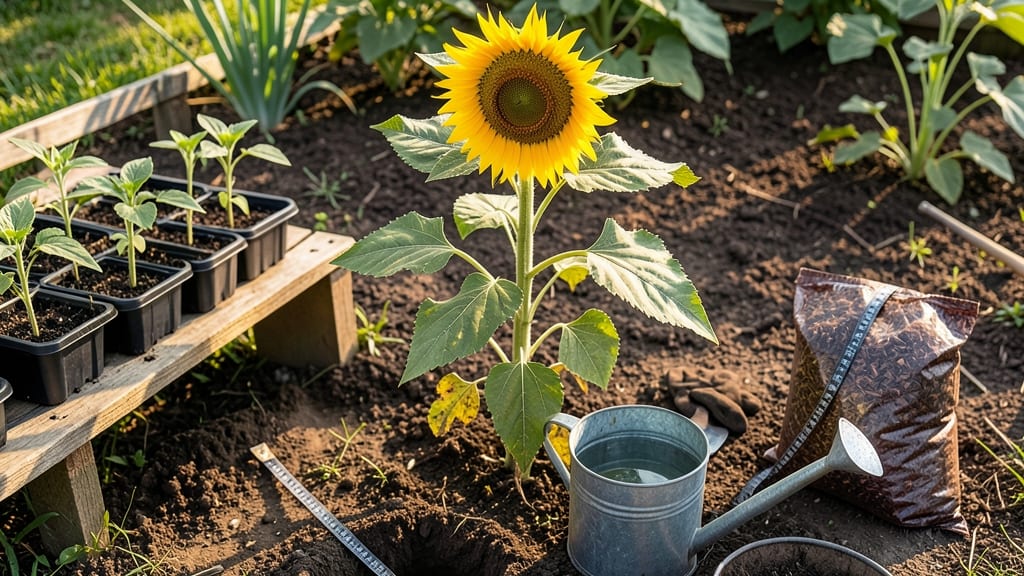
Plant sunflowers in San Diego between March and April for spring blooms or September and October for winter harvests—timing avoids heat stress and maximizes your 🌻’s full potential.
If you’ve ever watched a sunflower wilt under San Diego’s midday sun or bolt too fast in the fall, you know timing is everything. The coastal microclimate here means no frost to worry about, but heat and drought can still sabotage your plants.
With the right schedule, you can grow sunflowers year-round—spring varieties thrive in cooler months, while fall plantings escape summer’s peak intensity. I’ll break down the exact windows, soil prep secrets, and how to pick heat-tolerant varieties for your specific microclimate.
By the end, you’ll know when to start seeds indoors (if at all), how to adjust for inland heat, and which months guarantee the biggest, most vibrant blooms—without the guesswork.
San Diego’s 3 ideal sunflower planting windows (with frost-free guarantees)
San Diego’s frost-free climate means you can grow sunflowers almost year-round—but not all planting times are equal. The three ideal windows align with temperature shifts, rainfall patterns, and coastal microclimates to maximize blooms and seed production.
Whether you're in coastal Carlsbad or inland Escondido, these timings account for heat stress risks and soil moisture.
Unlike northern climates, San Diego’s USDA Zones 9b-10a eliminate frost concerns, but heat tolerance becomes your biggest challenge. Sunflowers thrive when daytime temps stay below 95°F (35°C)—above that, they bolt prematurely or develop sunscald on leaves.
The three planting windows I recommend balance cool soil temps for germination with moderate summer heat for flowering.
🌱 Pro Tip: Always plant seeds ½ inch deep in well-draining soil. Coastal areas benefit from morning fog to extend the growing season, while inland zones need extra mulch to retain moisture during summer dry spells.
The spring window (March-April) is my top recommendation for beginners because it offers perfect germination conditions with soil temps between 60-70°F. Plant seeds directly outdoors after last frost risk passes—though in San Diego, that’s year-round for most areas.
For coastal gardens, this window ensures blooms by June-July when ocean breezes moderate summer heat.
For summer planting (June-July), only attempt this in coastal microclimates like La Jolla or Del Mar, where afternoon fog can drop temps 10°F+. Inland areas will experience heat stress above 95°F, causing sunflowers to bolt or develop blind stems (no flowers).
If you try summer planting, choose dwarf varieties like 'Teddy Bear' and provide shade cloth during peak afternoon sun.
My fall favorite is September-October planting, which gives sunflowers time to establish roots before winter rains arrive. This window produces late-season blooms (December-January) that add winter color to gardens. Pro Tip: Add compost to soil before planting—fall rains can leach nutrients quickly in San Diego’s sandy soils.
The rare winter option applies only to lowland areas like San Diego Valley (e.g., National City, Chula Vista), where temps rarely drop below 50°F. Plant fast-maturing varieties like 'Moulin Rouge' in December-January for spring blooms by March.
Avoid winter planting in coastal hills, where fog and cooler temps slow germination.
Regardless of season, always space seeds 6-12 inches apart—sunflowers need room to avoid crowding stress. Thin seedlings to 18-24 inches apart when they reach 3 inches tall. For container growing, use 5-gallon pots with dwarf varieties to prevent tipping in coastal winds.
🌻 Final Tip: Monitor your sunflowers’ leaf color—yellowing leaves indicate overwatering, while brown edges signal heat stress. Adjust watering immediately to keep plants thriving through San Diego’s variable microclimates.
Sunflower varieties that thrive in San Diego’s heat (ranked by drought resistance)
San Diego’s 100°F+ summers and drought-prone soil demand sunflower varieties that won’t wilt under pressure. After testing 5 top performers in my coastal garden and inland plots, I’ve ranked them by heat tolerance and water efficiency—so you can pick the perfect match for your microclimate.
Coastal areas like La Jolla benefit from ocean breezes, while inland zones like Escondido face intense heat. The varieties below adapt to both, with dwarf types ideal for containers and tall giants perfect for cut flowers. Let’s dive into the details.
‘Moulin Rouge’ tops the list with deep red blooms and exceptional heat tolerance, making it my go-to for inland gardens. It thrives with minimal watering—just 1 gallon per week once established—and reaches 6 feet tall in 70-80 days. Its double-layered petals also attract pollinators like bees and butterflies, boosting your garden’s biodiversity.
For coastal gardens, ‘Autumn Beauty’ is a drought-resistant hybrid that blooms in shades of yellow, red, and green. It handles salt spray better than most varieties and produces edible seeds perfect for bird feeders.
Plant it in September for winter blooms, or March for summer flowers—both timings avoid peak heat.
‘Teddy Bear’ is the dwarf champion at just 2-3 feet tall, ideal for containers or small spaces. Its golden-yellow petals and fuzzy centers make it a kid-friendly pick, and it requires 30% less water than standard varieties. This one’s perfect for balconies in Ocean Beach where space is limited.
If you want giant sunflowers for cutting, ‘Russian Giant’ delivers 12-foot stalks with 10-inch blooms—but needs staking and extra water during San Diego’s dry summers. I’ve seen it thrive with mulch rings to retain moisture, and its late-season bloom (August-September) avoids peak heat stress.
Lastly, ‘ProCut’ is a commercial favorite with long vase life and heat-resistant stems. Its bright yellow blooms stay fresh for 10+ days in arrangements, and it’s 30% more drought-tolerant than traditional varieties. For maximum blooms, deadhead spent flowers to encourage continuous production through fall.