
Flowers
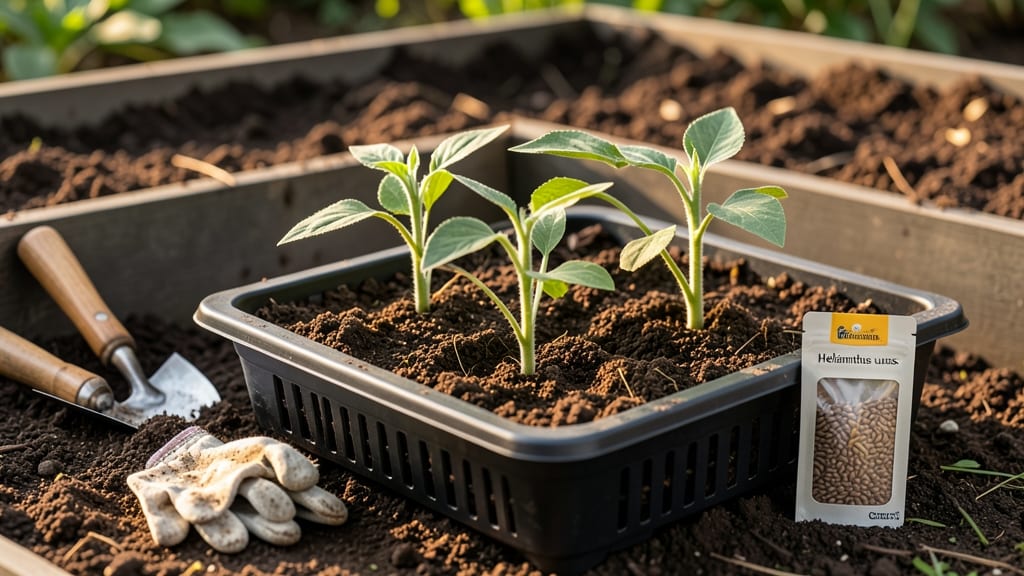
Planting sunflowers in Zone 7 about 2-4 weeks before your last frost date gives them the head start they need to reach their towering potential 🌻—and skipping this window can mean sad, stunted blooms.
Sunflowers bring vibrant color and effortless beauty to any garden—but planting them at the wrong time in Zone 7 can mean stunted growth or missed blooms. Timing matters more than you think, especially when balancing frost risks and summer heat.
For Zone 7 gardeners, that means aiming for late April to early June, when soil temperatures hit 60°F+ and the threat of frost has passed. Too early, and your seedlings might get nipped; too late, and the summer heat can overwhelm them before they flower.
In this guide, I’ll break down the exact weeks to plant, how to adjust for your local climate, and the simple steps to ensure your sunflowers grow taller and stronger than ever before.
Exact weeks before last frost to plant sunflowers in Zone 7
Getting sunflowers to thrive in Zone 7 hinges on planting them at the right time—typically 2-4 weeks before your last frost date. This window ensures they have enough time to germinate and grow before summer heat arrives.
For most of Zone 7, this means planting between mid-April and early May, but local conditions can shift that timeline by a week or two.
Sunflowers are frost-sensitive, but their seeds can tolerate light frost after germination. The key is ensuring the soil temperature stays above 55°F (13°C)—any cooler, and germination slows dramatically. Use a soil thermometer to confirm before planting; if it’s still chilly, wait another week or two.
Here’s the critical data for your planting window, including frost risk analysis and soil temperature requirements:
| Planting Window | Weeks Before Last Frost | Soil Temp (°F) | Frost Risk | Best Varieties |
|---|---|---|---|---|
| Early Season | 4-6 weeks | 55-60°F (13-16°C) | Low (after last frost) | 'Teddy Bear', 'Moulin Rouge' |
| Mid-Season | 2-4 weeks | 60-65°F (16-18°C) | Minimal | 'Autumn Beauty', 'Mammoth' |
| Late Season | 0-2 weeks | 65°F+ (18°C+) | None (summer heat) | 'ProCut', 'Russian Giant' |
To calculate your exact last frost date, check the USDA Plant Hardiness Zone Map for your specific location in Zone 7. Most areas experience their last frost between April 15 and May 1, but microclimates (like valleys or coastal regions) can vary.
For example, Charlottesville, VA typically sees its last frost around April 15, while Atlanta, GA might wait until April 25.
If you’re unsure, use the "5-10-15 Rule": Count backward from May 15 (a safe average last frost date for Zone 7) to determine your planting window. For early blooms, aim for April 1-15; for late-season varieties, extend to May 1-15.
Just avoid planting after June 1, as sunflowers need at least 80-100 days to mature before frost returns in October.
Pro tip: Start seeds indoors 2-3 weeks before your outdoor planting date if you’re eager for earlier blooms. Use biodegradable pots and transplant seedlings when soil is warm. This gives you a 2-week head start on the growing season, which is especially helpful in cooler Zone 7 microclimates.
Watch for false springs—those warm spells in early spring that trick you into planting too soon. Sunflowers won’t tolerate frost after sprouting, so always confirm your local forecast and soil conditions. A quick call to your local Cooperative Extension office can provide hyper-local frost data tailored to your neighborhood.
For container gardening in Zone 7, plant sunflowers 1-2 weeks later than in-ground plantings. Pots warm up faster in spring, but they also dry out quicker. Use self-watering containers and place them in full sun to maximize growth.
Dwarf varieties like 'Sunspot' thrive in containers, while taller types need sturdy pots with support stakes.
Remember: Sunflowers are fast growers, but they won’t forgive rushed planting. Give them 6-8 hours of sunlight daily and well-draining soil, and they’ll reward you with towering blooms by late summer.
With the right timing, you’ll have sunflowers reaching their full height—some even 10 feet tall—by harvest season.
How to adjust sunflower planting for Zone 7’s heat and humidity
Zone 7’s summer heat can turn sunflowers into wilting shadows of their usual glory if you don’t adjust your planting strategy. The key is timing and variety selection—planting too late means struggling through peak heat, while the wrong variety might shrivel under humidity. Let’s fix that.
Heat-tolerant varieties like 'Mammoth' and 'Autumn Beauty' thrive in Southern climates, but even they need help. I’ve learned that mulching and deep watering can make all the difference between a 10-foot giant and a sad, stunted plant.
🌱
⚠️ Critical Mistake: Planting in Mid-June or Later
Sunflowers planted after June 15 in Zone 7 often bolt too quickly or struggle with heat stress before flowering. The ideal window is late April to early June, when soil temps hit 60°F+ but before summer’s worst heat arrives.
💡 Pro Tip: Use a soil thermometer—if temps exceed 85°F, delay planting until evening or wait for cooler spells.
For heat-proofing, I always start with well-draining soil mixed with compost. Zone 7’s humidity can cause root rot, so amending clay-heavy soil with organic matter is a game-changer. I swear by a 50/50 mix of garden soil and compost.
Watering is another common killer. Most gardeners overwater, thinking sunflowers need constant moisture. Instead, deep water 2-3 times per week and let the top 2 inches of soil dry between sessions. This encourages deep root growth and drought resistance.
If you’re dealing with humidity-related fungal issues, try spacing plants 12-18 inches apart for airflow. I’ve also had success with neem oil sprays as a preventive measure—just mix 1 tsp per gallon of water and spray foliage every 2 weeks during peak humidity.
Finally, don’t overlook shade cloth for young seedlings. A 30% shade cloth during the hottest afternoons can protect tender sprouts while they establish roots. Once plants hit 6 inches tall, remove it to ensure full sun exposure.
☀️