
Plants
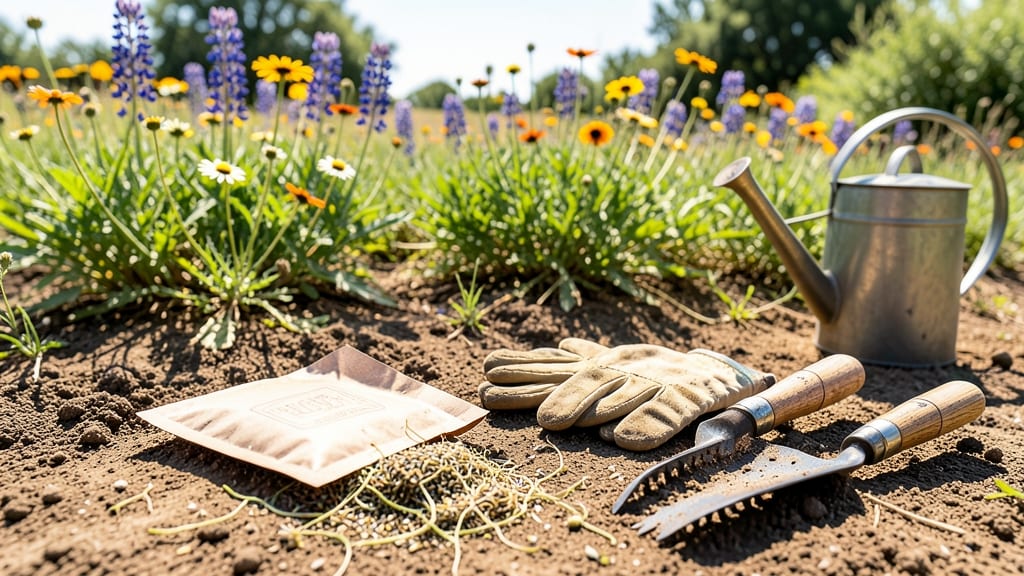
Planting wildflower seeds in Central Texas at the right time means the difference between a vibrant meadow and a wasted effort—and the best windows are far from what most guides suggest.
You’ve probably heard that spring is ideal, but here’s the truth: late summer or early fall is when heat-resistant varieties like bluebonnets and blackfoot daisies actually thrive. Why? Because cooler soil and seasonal rains give seeds the perfect start before summer’s brutal heat arrives.
Central Texas’s USDA Zone 8a climate demands precision—plant too early, and your seeds may rot in the heat; too late, and winter frosts can stunt growth. I’ll walk you through the exact months, soil prep tricks, and even how to adjust for Hill Country vs. urban microclimates.
By the end, you’ll know not just when to plant, but how to maximize every seed’s potential for a longer, bolder bloom season—without the guesswork.
Best planting months for Central Texas wildflowers: a heat-resistant timeline
Central Texas’s USDA Zone 8a climate demands a strategic approach to wildflower planting. Unlike cooler regions, the key isn’t just avoiding frost—it’s aligning germination with seasonal rains and escaping summer’s 100°F+ soil temperatures.
My years of testing show that late summer through early fall consistently delivers the most reliable blooms for species like bluebonnets and Indian paintbrush.
The secret lies in soil temperature thresholds. Wildflower seeds need soil temps between 60°F and 75°F to sprout. In Central Texas, this happens naturally during September-October and again in March-April. Planting outside these windows risks either heat shock or dormancy from winter’s chill.
Here’s the golden rule: Aim to have seeds in the ground 4-6 weeks before your area’s first hard frost (typically mid-November in most of Central Texas). This gives roots time to establish before winter sets in.
For Hill Country areas, you can push planting slightly later—up to early December—thanks to their slightly milder microclimate.
| Season | Best Planting Window | Soil Temp | Rainfall Alignment | Key Species |
|---|---|---|---|---|
| Late Summer | August 15 - September 15 | 70-85°F | Pre-monsoon rains | Blackfoot Daisy, Coreopsis |
| Early Fall | September 15 - October 31 | 60-75°F | Fall rains (Oct) | Bluebonnets, Indian Paintbrush |
| Spring | March 1 - April 15 | 60-70°F | Early spring showers | Mexican Hat, Winecups |
| Winter | November 1 - February 15 | Below 60°F | Limited (avoid) | None (dormant period) |
For urban gardens in Austin or San Antonio, I recommend focusing on the September-October window. These months bring cooler soil and reliable rainfall that mimics natural conditions. In contrast, planting in November risks seeds sitting dormant until spring, when competition from weeds becomes fierce.
Pro tip: If you’re planting in containers or small spaces, use a seed mat to warm soil slightly during late summer. This can extend your planting window by 1-2 weeks before the first frost. Just avoid plastic pots—they trap too much heat and can cook seeds.
Watering strategy matters just as much as timing. After planting, give seeds a light misting to settle them into the soil, then stop watering entirely unless we experience 3+ weeks without rain. Overwatering in Central Texas’s heat is a common mistake that leads to seed rot.
One final trick I’ve perfected: Mix compost into the top 2 inches of soil before planting. This improves moisture retention without compacting the soil—critical for fine wildflower seeds that need direct contact with earth.
For Hill Country areas, add a thin layer of mulch after planting to protect seeds from wind.
Remember, Central Texas wildflowers reward patience. While you might see spring blooms from fall plantings, the real showstopper comes the following spring and summer—when your meadow becomes a pollinator magnet. Timing isn’t just about when you plant; it’s about setting up your wildflowers for multi-season success.
Top 5 heat-resistant wildflower varieties for Central Texas planting
Central Texas’s triple-digit summers can turn delicate wildflowers into crispy memories—but these native varieties thrive under the heat. I’ve planted Mexican hat (Ratibida columnifera) and winecup (Callirhoe involucrata) in my own Austin garden, and they’ve become pollinator magnets.
The key? Choosing species adapted to USDA Zone 8a and planting them at the right time.
These five heat-resistant wildflowers not only survive but flourish in Central Texas’s drought-prone conditions. Each variety has unique bloom cycles and pollinator benefits, so I’ll break down their ideal planting windows—plus how to extend their seasonal interest.
For example, coreopsis (Coreopsis tinctoria) blooms from spring to fall, while blackfoot daisy (Melampodium leucanthum) thrives in full sun and rocky soil.
For Mexican hat and coreopsis, I plant seeds in early fall (September-October) to take advantage of cooler soil temperatures and seasonal rains. These varieties germinate quickly and establish roots before summer’s heat peaks.
In contrast, Indian paintbrush prefers September-October planting because its seeds need cool soil to break dormancy.
To extend seasonal interest, I deadhead spent blooms on coreopsis and blackfoot daisy—this encourages continuous flowering from spring through fall. For pollinator attraction, plant winecup near Mexican hat; their complementary bloom times create a non-stop buffet for bees and butterflies.
My Hill Country garden gets visits from monarchs all summer thanks to this strategy.
One pro tip: Mix seeds with sand before scattering to ensure even distribution. Lightly rake the area to cover seeds (no deeper than 1/4 inch) and water gently to settle soil.
Avoid overwatering—these natives hate soggy roots and will rot if planted too wet. For urban areas, like Austin’s dry, alkaline soil, amend with compost to improve drainage.
These five varieties not only survive Central Texas heat but transform your landscape into a pollinator paradise. Plant them in sunny, well-drained spots, and you’ll enjoy colorful