
Flowers
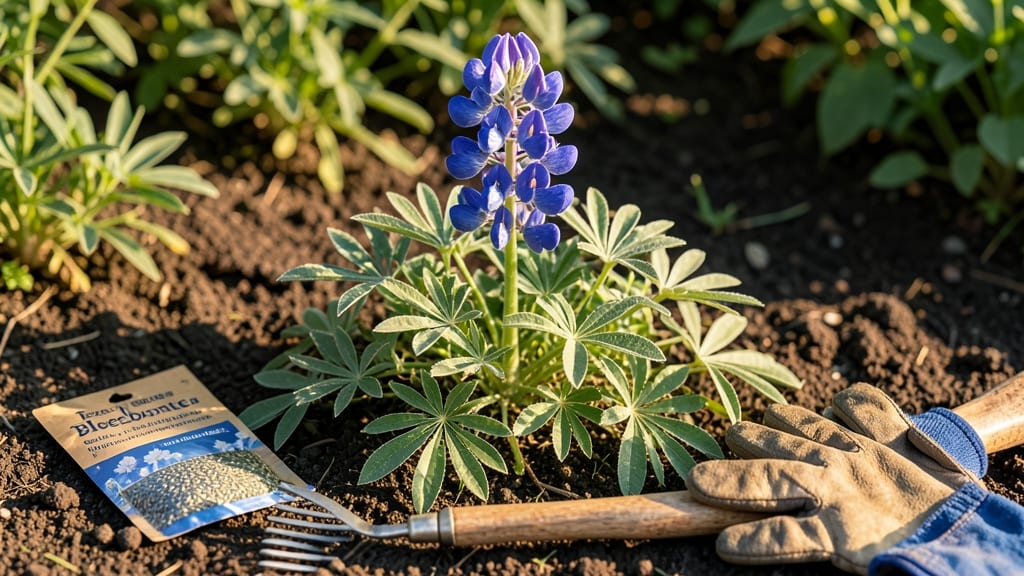
Plant wildflower seeds in Texas between September and October for a fall-winter show or February and March to beat the summer heat—timing this right means the difference between a meadow of color and a sad, stunted patch.
Picture this: you’ve just scattered your 🌼 wildflower seeds across a sunny patch of your yard, dreaming of a riot of bluebonnets and black-eyed Susans. But if you plant too early, a late frost wipes out your progress.
Too late, and the summer sun turns your seeds to dust before they even sprout. Texas’ 6a-10a zones make this even trickier, with frost dates shifting from January in South Texas to March in the Panhandle.
Here’s the good news: with the right schedule, you can outsmart Texas’ quirks. Below, I’ll break down the exact month-by-month planting windows for your region, plus soil prep secrets and watering hacks that keep your wildflowers thriving—no matter where you live in the Lone Star State.
You’ll also discover the top native species for your heat zone, how to protect seedlings from unexpected freezes, and why a little mulch can mean the difference between a wildflower paradise and a patch of dirt. Let’s get those seeds in the ground the right way.
Texas wildflower planting calendar by heat zone: avoid frost and beat the heat
Texas wildflowers thrive when planted at the perfect moment—too early and frost zaps your seedlings, too late and summer’s brutal heat stifles growth. The Texas A&M AgriLife Extension divides the state into 11 heat zones (A-I), each with unique frost-free windows.
Here’s your month-by-month guide to sowing seeds for annuals and perennials that will burst into color year after year.
For North Texas (Zones A-C), where last frosts hit around February 15, aim for fall planting in September-October and spring planting by March 15.
In South Texas (Zones H-I), with January 1 frost dates, you’ve got a 6-week longer window—planting as late as November 15 for winter blooms. The key? Soil temperature must stay above 60°F for germination.
| Heat Zone | Last Frost | Spring Planting Window | Fall Planting Window | Key Wildflowers | ||||||||||||||||||||||
|---|---|---|---|---|---|---|---|---|---|---|---|---|---|---|---|---|---|---|---|---|---|---|---|---|---|---|
| A (North Panhandle) | Feb 15 | Mar 1 - Apr 15 | Sep 1 - Oct 15 | Blackfoot Daisy, Purple Prairie Clover | ||||||||||||||||||||||
| B (North Central) | Feb 1 | Feb 28 - Mar 30 | Sep 15 - Oct 30 | Bluebonnet, Indian Paintbrush | ||||||||||||||||||||||
| C (East Texas) | Jan 31 | Mar 1 - Apr 15 | Sep 1 - Nov 1 | Coreopsis, Salvia | ||||||||||||||||||||||
| D (Central Texas) | Jan 15 | Feb 28 - Apr 1 | Sep 15 - Nov 15 | Mexican Feather Grass, Winecup | ||||||||||||||||||||||
| E (West Texas) | Dec 15 | Mar 1 - Apr 15 | Oct 1 - Nov 15 | Prickly Poppy, Desert Marigold | ||||||||||||||||||||||
| F (South Texas) | Jan 1 | Feb 15 - Mar 31 | Sep 1 - Dec 15 | Evening Primrose, Texas Bluebell | ||||||||||||||||||||||
| G (Gulf Coast) | Dec 1 | Jan 15 - Mar 15 | Sep 1 - Dec 31 | Baptisia, Gayfeather | ||||||||||||||||||||||
| H (Rio Grande Valley) |
Best wildflower seed types for Texas climates: drought-tolerant picks for each regionTexas’ diverse climates demand region-specific wildflower seeds that thrive with minimal water. From the Bluebonnet fields of North Texas to the Blackfoot Daisy meadows of the Panhandle, native species offer vibrant blooms while conserving water. These varieties are adapted to USDA zones 6a-10a and drought conditions—perfect for transforming your landscape into a low-maintenance paradise. Choosing the right seeds for your Texas heat zone ensures success. In North Texas (zones 7b-8b), Bluebonnets (Lupinus texensis) and Indian Paintbrush (Castilleja indivisa) dominate spring landscapes. Meanwhile, South Texas (zones 8b-10a) favors Mexican Feather Grass (Nassella tenuissima) and Blackfoot Daisy (Melampodium leucanthum), which handle intense summer heat. Each region’s native wildflowers support local ecosystems while requiring little irrigation once established. Soil preparation is key to germination success. Start by clearing debris and loosening compacted soil with a rake or tiller. Add a thin layer of compost (1-2 inches) to improve drainage and fertility. Avoid heavy amendments like peat moss, which can retain too much moisture in Texas’ clay-heavy soils. For best results, test your soil’s pH—most Texas wildflowers prefer neutral to slightly acidic soil (6.0-7.0).
After preparing your soil, scatter seeds lightly over the surface—Texas wildflowers need light to germinate. Press seeds into the soil with a lawn roller or your boot for gentle contact, then water lightly but consistently to keep the top inch of soil moist. Avoid overwatering, which can drown seeds or encourage fungal growth. Once seedlings emerge (typically in 7-21 days), reduce watering to once weekly and gradually taper off as plants mature. For long-term drought tolerance, mulch with straw or leaves to retain moisture and suppress weeds. Native wildflowers establish deep root systems that access groundwater, making them resilient to Texas’ 100°F+ summers. In North Texas, plant in fall (September-October) for spring blooms, while South Texas gardeners can sow in winter (December-February) to avoid summer heat stress. With the right seeds and minimal care, your Texas wildflower meadow will thrive year after year. Pro tip: Mix wildflower seeds with clover or ryegrass for erosion control and extra greenery during lean months. These native companions support pollinators while enhancing your landscape’s year-round appeal. 🌼 |