
Plants
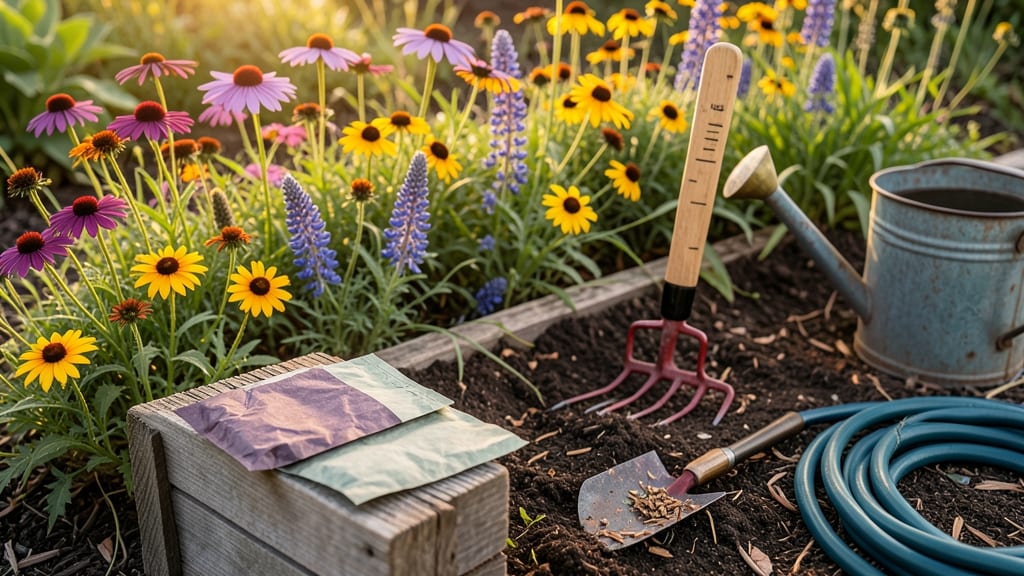
Planting wildflower seeds in Iowa at the right time means the difference between a meadow bursting with color and a patch of dirt waiting for next year.
Iowa’s unpredictable spring weather can turn wildflower planting into a guessing game—but timing your seeds right ensures vibrant blooms and thriving pollinators. Miss the window, and you risk weak growth or early frost damage.
For USDA zones 5a-6b, the sweet spot is early spring (March-April) or fall (September-October), when soil temperatures are cool but frost isn’t lurking. Biennials like Black-Eyed Susans need that head start, while annuals can wait until after your last frost—usually around April 15 in southern Iowa.
Below, I’ll break down the exact frost-free timeline for your region, the best seed types for Iowa’s soil, and pro tips to keep your wildflowers blooming strong through summer and into fall.
Iowa’s wildflower planting calendar: exact months by frost dates
Iowa’s climate—spanning USDA zones 5a-6b—creates two distinct wildflower planting windows: early spring for biennials and late spring for annuals. Timing matters because last frost dates shift 10-15 days between northern (zone 5a) and southern (zone 6b) Iowa.
Plant too early, and frost zaps tender sprouts; too late, and summer heat stresses seedlings.
For northern Iowa (5a), aim for March 15–April 15 for spring sowing, while southern Iowa (6b) gardeners can start as early as March 1–April 1. Fall planting—ideal for perennials—opens in September, closing by October 15 before first frost arrives.
This calendar aligns with Iowa’s 165 frost-free days, ensuring your wildflowers thrive.
| Zone | Last Frost | Spring Planting | Fall Planting | Notes |
|---|---|---|---|---|
| 5a (North) | May 1 | March 15–April 15 | September 1–October 15 | Wait for soil to warm above 40°F |
| 6b (South) | April 1 | March 1–April 1 | September 15–October 15 | Soil warms faster; plant 2 weeks earlier |
Spring planting for annual wildflowers (like Black-Eyed Susan or Cosmos) should happen after last frost but before June 1. Biennials (e.g., Foxglove) benefit from early spring sowing—they’ll establish roots before summer heat.
For fall planting, focus on September to give seeds time to germinate before winter dormancy.
Iowa’s variable rainfall complicates timing. If drought warnings appear in late spring, delay planting until soil moisture stabilizes. Conversely, excess rain in fall can delay seed germination—opt for dry, sunny days in September for best results. A light mulch after sowing helps retain moisture without suffocating seeds.
For northern Iowa gardeners, prioritize hardy perennials like Purple Coneflower, which tolerate colder soils. Southern Iowans can experiment with tender annuals such as Sunflower or Zinnia, planting them after May 15 to avoid frost.
Always check your local extension office for microclimate adjustments—urban areas may warm faster than rural zones.
Pro tip: Use seed scarification for thick-coated seeds (like Coreopsis) to improve germination. Soak seeds in warm water for 24 hours before planting in cool spring soil. This mimics natural weathering and boosts sprout success by 30%. For fall plantings, skip scarification—nature handles it over winter.
Monitor soil temperature with a thermometer—ideal germination occurs at 60–70°F. If spring soil stays below 50°F, wait or use a cold frame to protect seedlings. In fall, aim for 50–60°F soil temps before planting. This balance ensures roots establish before first frost.
Adjust for elevated areas (e.g., hills) where frost arrives 2–3 weeks earlier than valleys. Plant low-lying spots first in spring, then move to higher ground as soil warms. In fall, reverse the process—higher elevations may need earlier planting to avoid frost damage.
Remember: Iowa’s wildflowers reward patience. Biennials planted in spring may not bloom until year two, while annuals deliver instant color. Track your first blooms to refine future planting schedules—this helps you align with pollinator cycles (e.g., bee-friendly flowers like Milkweed need early spring starts).
With these frost-date guidelines, your Iowa wildflower meadow will burst with color from May through October, supporting butterflies, bees, and birds year after year. Happy planting! 🌼
Best wildflower seed types for Iowa’s growing season
Choosing the right wildflower seeds for Iowa means balancing local climate challenges like drought and heavy clay soil. Native species thrive with minimal care while supporting pollinators like bees and butterflies.
My top picks include Black-Eyed Susan for dry areas and Purple Coneflower for clay-heavy soils—both handle Iowa’s hot summers and cold snaps like pros.
For early spring blooms, try Wild Bergamot (Monarda fistulosa), which blooms June-August and attracts hummingbirds. Its drought tolerance makes it perfect for Iowa’s variable rainfall. If you prefer late-season color, Goldenrod (Solidago spp.) shines from August through frost, adding golden hues to your landscape.
Here’s how these top wildflowers stack up for Iowa’s conditions:
Black-Eyed Susan (Rudbeckia hirta) is my go-to for dry, sandy soils common in western Iowa. Plant seeds ¼ inch deep in full sun, spacing them 12-18 inches apart. They’ll reward you with golden-yellow blooms from July to frost, even in poor soil.
For clay-heavy soils in eastern Iowa, Purple Coneflower (Echinacea purpurea) is unbeatable. Sow seeds ½ inch deep in spring or fall, spacing them 18-24 inches apart. Its deep pink-purple blooms attract butterflies and thrive in USDA zone 5, making it a low-maintenance superstar.
Don’t overlook Wild Lupine (Lupinus perennis) for nitrogen-fixing benefits—it improves soil health while adding purple-blue spikes in spring. Plant seeds ½ inch deep in well-draining soil and give them full sun to partial shade. They’re perfect for pollinator gardens and erosion control on slopes.
Pro tip: Mix these seeds with annuals like Coreopsis for immediate color while perennials establish. Always lightly rake seeds into soil—no need to bury them deeply. With the right mix, your Iowa meadow will burst with color from spring to fall! 🌻