
Plants
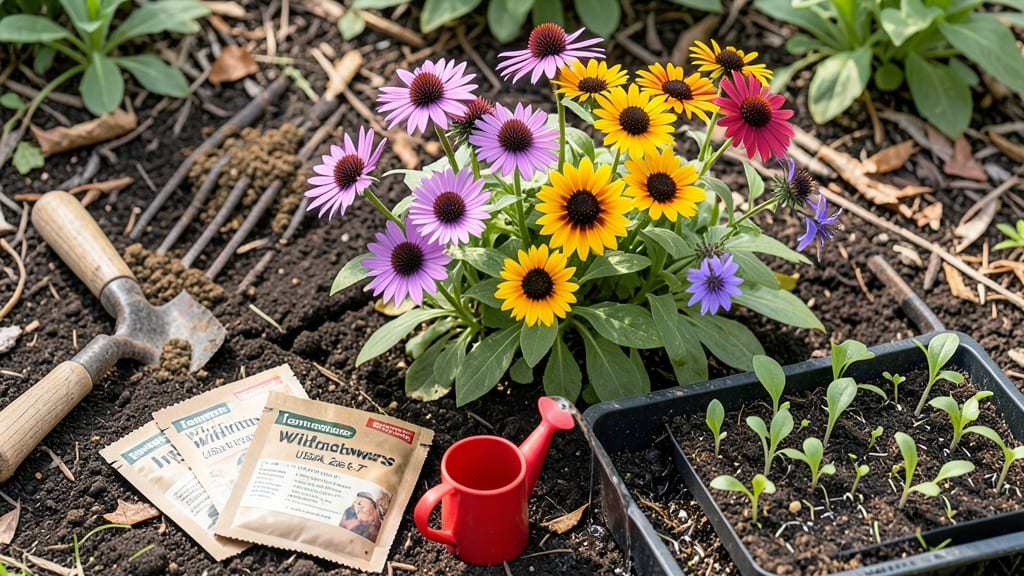
Planting wildflower seeds in Tennessee at the right time ensures vibrant blooms instead of weeds, especially with the state’s shifting frost dates and regional differences.
Timing is everything—miss the window, and you’ll either face late frosts wiping out tender sprouts or summer heat drying out seeds before they germinate. The key is knowing when to act, whether you’re in East Tennessee’s cooler hills or West Tennessee’s warmer plains.
Below, I break down the best months for spring and fall planting by USDA zone, plus soil prep tricks to give your wildflowers 🌼 the best start. No more guesswork, just a cheat sheet for Tennessee’s unpredictable weather.
You’ll learn which wildflowers thrive in your area, how to handle unexpected frosts, and when to skip fertilizing entirely. Let’s get those seeds in the ground the right way.
Tennessee wildflower planting calendar by frost Zone and region
Tennessee’s diverse climate—from the Appalachian Mountains in the east to the Mississippi River lowlands in the west—creates three distinct planting zones. Understanding your USDA hardiness zone (6a-8a) and last frost dates ensures your wildflowers thrive.
East Tennessee’s cooler microclimates demand earlier sowing, while West Tennessee’s longer growing seasons allow later starts.
Spring planting typically begins after your average last frost date, but fall sowing offers a second chance for hardy species. The key? Timing seeds to germinate before summer heat or winter freeze.
In Zone 6a (east), start seeds indoors by February 15 for outdoor transplanting by April 1. Warmer Zone 8a (west) gardeners can direct-sow as early as March 1.
🌱
For East Tennessee gardeners in Zone 6a, focus on spring planting between March 20 and April 15—after the last frost but before summer heat sets in.
Fall planting here should wrap up by October 15 to allow roots to establish before winter. Black-eyed Susans and Purple Coneflowers thrive in these cooler zones with their drought-resistant roots.
Middle Tennessee’s Zone 7a/7b offers a 6-week window longer than the east for spring planting. Start seeds indoors by February 15 for transplanting by March 15, or direct-sow by April 1.
Fall planting here can extend to October 20, giving species like Butterfly Weed time to germinate before winter. Soil temperature should stay above 60°F for optimal germination.
West Tennessee’s Zone 8a climate lets you plant wildflower seeds as early as February, but avoid sowing before soil temperatures reach 55°F. The extended growing season means you can even plant fall-blooming species like Goldenrod in late summer (August) for autumn color.
However, avoid planting after October 15 to prevent winter kill.
Regardless of region, preparing your soil is critical. Till the top 4 inches of soil, remove weeds, and lightly rake to create a fine seedbed.
Scatter seeds thinly—wildflowers need space to avoid competition—and press them into the soil with a light roller or board. Water gently to keep seeds moist until germination (usually 7-14 days).
🌿
Pro tip: Use mulch (straw or pine needles) after planting to retain moisture and suppress weeds. In drought-prone West Tennessee, consider a light irrigation system during the first 30 days to ensure seedling survival.
For East Tennessee’s cooler springs, wait until soil warms to 60°F before sowing—cold, wet soil can cause rot or poor germination.
Remember, native wildflowers are the easiest to grow in Tennessee. Species like Coreopsis and Milkweed adapt naturally to local conditions, reducing your need for fertilizers or pesticides. Once established, most wildflowers require minimal care—just occasional watering and deadheading spent blooms to encourage more flowers.
☀️
Best wildflower species for Tennessee’s climate and when to plant them
Tennessee’s diverse climate—from humid East Tennessee to drier West Tennessee—offers perfect conditions for native wildflowers that thrive with minimal fuss.
Choosing the right species ensures vibrant blooms from spring through fall, while planting at the optimal time maximizes germination success. Black-eyed Susans and Purple Coneflowers are top picks for their drought tolerance and pollinator appeal, but regional variations matter.
The key to success lies in understanding Tennessee’s frost dates and matching wildflowers to your microclimate. East Tennessee’s cooler springs delay planting until mid-April, while West Tennessee’s earlier last frosts allow February sowing in sheltered areas.
Fall planting in September-October gives seeds time to establish roots before winter, a critical strategy for annuals like Coreopsis.
- 1
Best for: Heat tolerance, drought resistance
Planting window: March-April (spring) or September (fall)
USDA zones: 3-9
Height: 1-3 ft
Pro tip: Scatter seeds lightly on well-drained soil—no burial needed!
- 2
Best for: Pollinators, drought-resistant meadows
Planting window: April-May (spring) or October (fall)
USDA zones: 3-8
Height: 2-4 ft
Pro tip: Ideal for West Tennessee’s dry spells—water only during establishment.
- 3
Best for: East Tennessee’s humid summers, long bloom seasons
Planting window: April (spring) or September (fall)
USDA zones: 4-9
Height: 1-2 ft
Pro tip: Deadhead spent blooms to extend flowering through fall.
- 4
Best for: Native pollinators, poor soil tolerance
Planting window: March-April (spring) or September (fall)
USDA zones: 3-9
Height: 1-2 ft
Pro tip: Stratify seeds (cold-moisten for 2 weeks) to break dormancy.
- 5
Best for: Full sun, colorful meadows
Planting window: April-May (spring) or September (fall)
USDA zones: 3-10
Height: 1-2 ft
Pro tip: Thrives in West Tennessee’s alkaline soils—no amendments needed!
For East Tennessee’s cooler microclimates, prioritize spring planting in April after the last frost. In West Tennessee’s warmer zones, fall sowing in September avoids summer heat stress. Always prepare soil by removing weeds and loosening the top 2 inches—wildflowers need good soil contact but hate deep burial.
Pro tip: Mix 3-5 species for continuous blooms. Pair Black-eyed Susans (spring) with Goldenrod (fall) to extend your meadow’s season. Mulch lightly after planting to retain moisture without smothering seeds—critical for Tennessee’s unpredictable rainfall patterns.
Remember, native wildflowers are the easiest to grow in Tennessee. They’ve evolved with our climate, so they require less water and fertilizer once established. Start small with a 10x10 ft patch, then expand as you see which species thrive in your yard.