
Plants
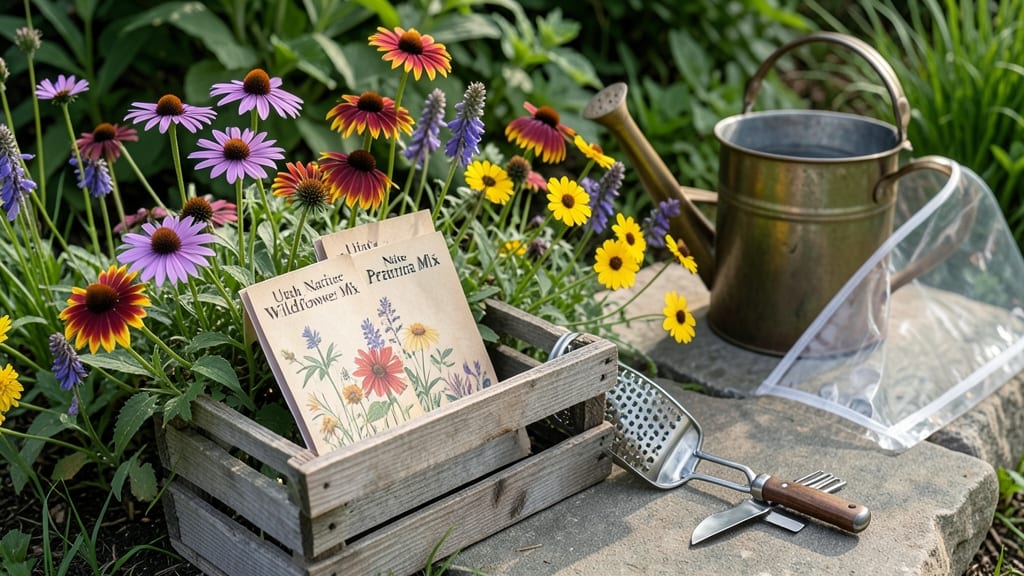
Planting wildflower seeds in Utah at the right time means the difference between a burst of color by spring and a patch of dirt that never blooms.
Utah’s dramatic elevation shifts—from the desert’s 100-degree summers to the mountains’ lingering snows—mean your timing must change with the terrain. One wrong move, and your seeds could bake in the sun or rot in the cold.
Get it right, though, and you’ll have a pollinator paradise that thrives year after year.
Most gardeners in Utah’s USDA zones 5-8 swear by late summer to early fall (August–September) or early spring (March–April) as the sweet spots. But whether you’re sowing in the Wasatch Front or the high desert, soil temperature and frost dates are the real game-changers.
Below, I’ll break down the exact months for your elevation zone, plus pro tips for prepping soil, choosing the right seeds, and keeping them alive through Utah’s unpredictable swings. No more guesswork—just blooms on demand.
Utah’s wildflower planting calendar by elevation zone (with exact months)
Utah’s dramatic elevation shifts—from scorching desert valleys to alpine tundra—mean your wildflower planting timeline must adapt like a chameleon. Low desert zones (2,000–5,000 ft) have longer growing seasons, while high mountain areas (8,000+ ft) face short windows and cold soils.
Even mid-elevation zones (5,000–8,000 ft) require careful timing to avoid frost damage or drought stress. Let’s break down the exact months for each zone, including soil temperature thresholds and frost-free dates that separate success from disappointment.
For all Utah gardeners, the golden rule is: Plant when soil temps reach 50°F (10°C) consistently—this triggers germination for most native wildflowers. In desert lowlands, this often means late February to early March, while high mountain areas may wait until late May or June.
Fall planting is also viable in most zones, but timing shifts dramatically based on elevation. Let’s dive into the specifics to ensure your seeds get the perfect head start.
Here’s the critical comparison of planting windows by elevation zone, including frost dates and soil temperature requirements:
In the low desert zones, where cities like St. George and Cedar City thrive, you can start sowing wildflower seeds as early as late February if soil temperatures are stable.
This early window takes advantage of Utah’s 120+ frost-free days, but avoid planting before March 1—earlier seeds risk frost damage or drying out in unpredictable desert winds. For fall planting, aim for September to mid-October to allow seeds to establish roots before winter dormancy.
At mid-elevations (5,000–8,000 ft), such as Park City or Heber Valley, timing shifts to mid-April to early May for spring planting. These areas experience cooler soils and later frost dates, so wait until after the average last frost (April 15–May 1).
Fall planting here is trickier—sow by early September to ensure seeds germinate before the first frost in mid-September to mid-October. Pro tip: Use a soil thermometer to confirm temps are above 45°F (7°C) before sowing.
High mountain zones (8,000+ ft) demand the most patience. Planting windows here are short and late, with ideal times between late May and early June. These areas often have snowmelt-dependent soils, so wait until the ground is workable and frost-free.
For fall planting, July to early August is your only shot—seeds must establish quickly before the first frost in early September. Native species like Utah’s alpine penstemon thrive in these conditions but require well-draining soils to avoid rot.
Regardless of elevation, soil preparation is key. In Utah’s arid climate, wildflowers often struggle with compacted or nutrient-poor soils. Loosen the top 2–3 inches of soil, remove weeds, and mix in compost or native soil amendments to improve moisture retention.
For desert zones, mulch lightly to prevent moisture loss, while mountain areas may need rock mulch to protect seeds from erosion during spring rains.
One common mistake is assuming all wildflowers have the same needs. Desert-adapted species like Utah’s goldenrod or blanketflower can handle early spring planting, while mountain natives like columbine or lupine often require stratification (cold treatment) to break dormancy.
Check seed packets for specific instructions—some may need 4–8 weeks in the fridge before planting. This extra step can mean the difference between a sparse bloom and a vibrant meadow.
Watering schedules also vary by zone. In the low desert, seeds need
5 Critical factors that determine your planting success in Utah
Timing your wildflower seeds right in Utah isn’t just about picking a month—it’s about understanding how your local microclimate interacts with your seeds. Utah’s unpredictable rainfall and sudden temperature swings mean that even the hardiest wildflowers can fail if you ignore these hidden factors.
I’ve planted wildflowers in everything from St. George’s desert to Park City’s alpine slopes, and these five elements make the difference between a thriving meadow and a failed experiment.
First, soil moisture is your silent partner. Utah’s flash floods can drown seeds one day, while the next week, your soil might be as dry as a bone. I’ve seen seeds sprout after a single rainstorm only to wither when the sun returns.
The key? Test your soil’s moisture retention before planting—aim for a balance where seeds stay hydrated but roots don’t rot.
Next, rainfall patterns dictate whether your seeds even get a chance to germinate. In southern Utah, monsoon rains in July and August can trigger a false sense of security, but by September, the air turns bone-dry.
Meanwhile, northern Utah’s spring snowmelt provides a steady water supply, but timing is critical—plant too early, and your seeds may freeze.
- 1
- 2
- 3
- 4
- 5
Don’t overlook native species selection. I once planted a mix of California poppies in Moab—beautiful, but they struggled against Utah’s alkaline soils. Stick to local wildflowers like Utah’s native lupines or blue flax, which thrive without fuss.
These plants have evolved to handle Utah’s drought, poor soil, and temperature swings—they’re your best bet for low-maintenance success.
Another game-changer is seed stratification. Many Utah wildflower seeds need a cold period to break dormancy. For example, Indian paintbrush seeds often require 60–90 days in the fridge before planting.
Skipping this step can leave you staring at bare soil all season. Always check the seed packet—if it says "stratify," don’t skip it!
Finally, site preparation sets the stage for success. I’ve seen gardeners rush into planting without clearing weeds or loosening soil, only to watch their seeds get choked out.
Take the time to remove competing vegetation, loosen compacted soil, and add a thin layer of organic mulch to retain moisture. Wildflowers need room to grow—don’t let weeds steal their spotlight.
Master these five factors, and your Utah wildflower garden will bloom like clockwork, no matter where you live in the state. Start with soil moisture, time your planting to rainfall, pick the right seeds, stratify when needed, and prep your site carefully.
Your future meadow—and the pollinators—will thank you. 🌼