
Plants
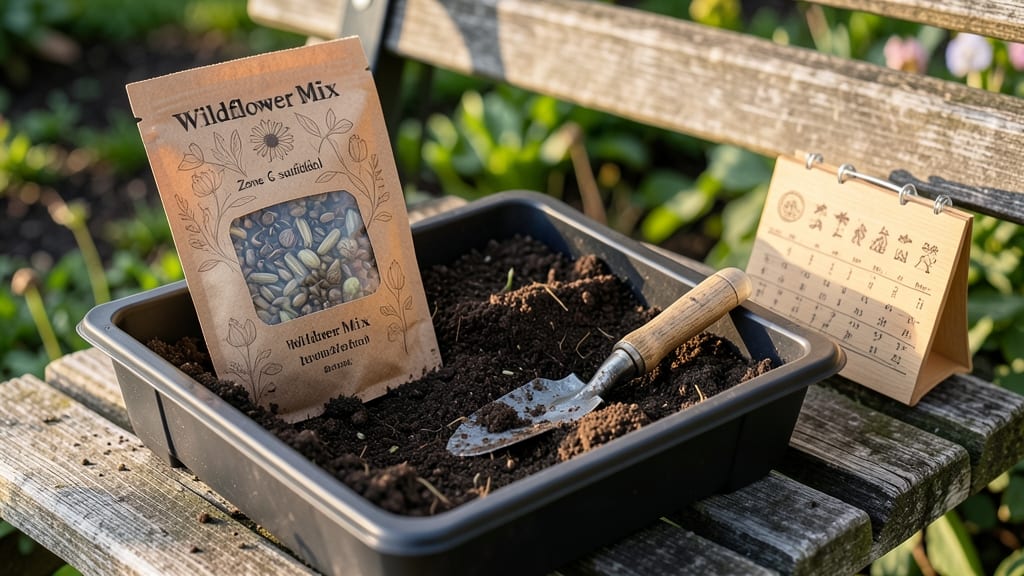
To plant wildflower seeds in Zone 6, aim for early spring—late March to early May—or early fall—August to September—when soil temperatures and frost risks align for success.
Struggling to get vibrant wildflowers blooming in your Zone 6 garden? Timing is everything—plant too early and frost ruins your efforts; too late and you miss peak growing seasons. Here’s the science-backed schedule to ensure your wildflower seeds thrive year after year.
Zone 6’s first frost typically hits around October 15, while the last frost arrives by April 15. This narrow window means your planting window must be precise: too soon, and seeds may rot; too late, and they won’t establish roots before winter.
Below, I’ll break down the exact frost-free timeline, soil prep tips, and microclimate adjustments to guarantee zero-fail blooms—whether you’re sowing annuals or perennials.
Best planting windows for wildflower seeds in Zone 6 by season
Timing your wildflower seeds correctly in Zone 6 means the difference between a vibrant meadow and a failed experiment. The USDA Zone 6 climate—with average last frost dates between April 15 and May 1—demands precision.
Plant too early, and frost will kill tender seedlings. Too late, and you’ll miss the optimal growing window for robust root establishment before summer heat arrives.
For Zone 6 gardeners, the best planting windows are narrow but critical: early spring (March–April) and early fall (September–October). These periods align with soil temperatures and moisture levels that trigger consistent germination.
Summer planting is possible but risky due to heat stress and drought conditions, while winter sowing is rarely successful without protection.
Here’s your Zone 6-specific planting schedule, complete with soil prep tips and microclimate adjustments to maximize success. Whether you’re sowing annuals like cosmos or perennials like black-eyed Susans, these guidelines ensure your wildflowers thrive.
| Season | Planting Window | Soil Temp (°F) | Key Prep Steps | Microclimate Tip |
|---|---|---|---|---|
| Spring | Late March–Early May | 50–60°F | Loosen soil, remove debris, light rake | Wait until soil is workable (no mud) |
| Summer | Mid-June–July (with caution) | 65–75°F | Mulch heavily, water deeply | Plant in partial shade if possible |
| Fall | Mid-September–Early October | 55–65°F | Aerate soil, add compost | Avoid planting after first frost |
Spring planting in Zone 6 should begin when daytime temperatures consistently stay above 50°F and nighttime lows exceed 35°F. For most regions, this lands in late March to early April.
Start by scarifying the soil with a rake to break up crust and remove weeds. Wildflower seeds need light to germinate, so avoid burying them deeper than 1/4 inch.
If you’re sowing perennial wildflowers, consider stratifying seeds in the fridge for 4–6 weeks before planting. This mimics winter conditions and tricks seeds into thinking they’ve experienced a natural cold period, boosting germination rates. For annuals like zinnias or sunflowers, skip stratification and plant directly after soil warms.
Summer planting is high-risk in Zone 6 due to intense heat and drought stress. If you must sow in summer, focus on heat-tolerant varieties like lupine or blanket flower.
Water deeply every 2–3 days and mulch with straw or wood chips to retain moisture. Plant in late afternoon to reduce seed stress from midday sun.
Fall is the second-best window for wildflower seeds in Zone 6, allowing roots to establish before winter. Aim for mid-September to early October, giving seeds time to germinate but avoiding the first frost (typically mid-October).
Prepare the soil by adding compost and lightly aerating it—this helps seeds make contact with moisture as winter rains arrive.
Microclimates in Zone 6 can shift planting windows by 2–3 weeks. For example, urban areas may experience heat islands that delay frost, while rural zones could see earlier freezes.
Observe your local last frost date (check Almanac.com for your specific county) and adjust accordingly. If you’re near a large body of water, expect cooler, slower springs.
After planting, consistent moisture is key. Wildflower seeds often need 1–2 weeks of daily watering to germinate, but avoid overwatering, which can cause rot. Once seedlings emerge, reduce frequency to every 3–4 days unless your area experiences drought conditions.
Mulch with straw or leaves to lock in moisture and suppress weeds.
Pro tip: Mark your planting dates with garden flags or a digital calendar reminder. Many gardeners forget their fall planting window slips by quickly. For Zone 6’s variable climate, flexibility is key—if a late frost threatens, cover seedlings with frost cloth until temperatures stabilize.
With these Zone 6-specific windows, you’ll transform your garden into a blooming oasis year after year. Start with spring or fall, and soon you’ll enjoy the joy of wildflowers without the guesswork. Happy planting!
How to adjust your planting timeline for wildflower seed types
Not all wildflower seeds follow the same planting rules—especially in Zone 6, where spring temperatures can swing from 30°F to 70°F in weeks. Annuals like cosmos and zinnia demand quick germination, while perennials like black-eyed Susan often need cold stratification to break dormancy.
Ignoring these differences can mean the difference between a vibrant meadow and a failed patch.
Seed packets often recommend planting in early spring, but that’s a one-size-fits-all approach that rarely works in Zone 6’s unpredictable climate.
For example, annual wildflowers planted in March might sprout too early and get nipped by late frosts, while perennial seeds need 60 days of cold exposure to germinate properly. Adjusting your timeline based on seed type—and your local frost dates—is the key to success.
Annual Wildflower Seeds
Pros:
- Fast germination (10-21 days)
- Full bloom in 60-90 days
- Ideal for summer color
Cons:
- Must plant after last frost
- Short-lived (one season only)
- Needs consistent moisture to establish
Perennial Wildflower Seeds
Pros:
- Returns yearly (multi-year blooms)
- Drought-tolerant once established
- Supports pollinators long-term
Cons:
- Needs cold stratification (60+ days)
- Slower germination (30-60 days)
- May take 2 years for full bloom
For annual wildflowers, wait until mid-to-late April in Zone 6—this ensures soil temperatures stay above 50°F, which triggers germination.
If you’re impatient, use a seedling heat mat to jumpstart growth, but avoid planting before April 15 unless you’re willing to risk frost damage. Perennial seeds, on the other hand, thrive when sown in September, allowing winter to handle the stratification process naturally.
Cold stratification is non-negotiable for many perennial wildflowers. If your seed packet doesn’t specify, assume it’s needed—especially for coneflowers or bee balm.
In Zone 6, you can either plant in fall (let nature do the work) or mimic winter by refrigerating seeds in a moist paper towel for 6-8 weeks before planting in spring. This trick works wonders for seeds like purple coneflower, which might otherwise sit dormant.
Don’t overlook microclimates in your garden. A south-facing slope warms up faster than a shady corner, so adjust your planting timeline accordingly. For example, if your garden gets extra sun, you can plant annuals a week earlier than the general guideline.
Conversely, shadier spots may need a 2-week delay to avoid early-season moisture issues.
Pro tip: Mix annuals and perennials in the same area for a continuous bloom. Plant annuals like sunflowers in late April for summer color, then add perennial seeds like goldenrod in September for next year’s show.
This layered approach ensures your wildflower garden stays lush and colorful from June through October. 🌼