
Plants
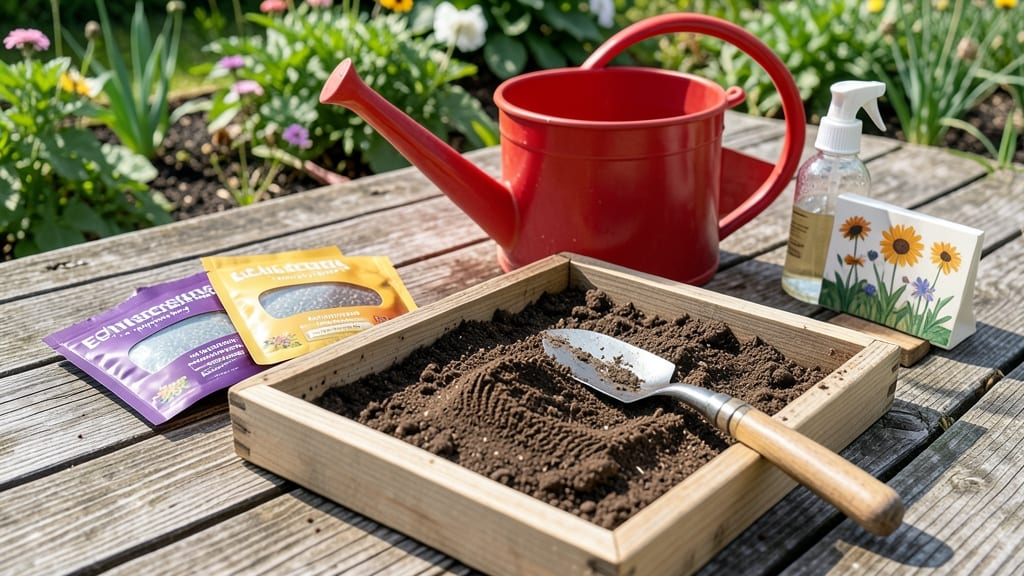
Planting wildflower seeds in Zone 5 at the right time means the difference between a burst of color and a patch of dirt by summer.
Struggling to get your wildflowers 🌼 to thrive in Zone 5’s unpredictable climate? Timing is everything—plant too early, and frost will kill them; too late, and they’ll miss their bloom window. Here’s exactly when to sow for vibrant, long-lasting wildflower meadows that return year after year.
Zone 5’s two best windows are early spring (March–April) and late summer (August–September). In spring, wait until soil warms to 50°F and frost risk drops after mid-April. Fall planting lets seeds establish roots before winter, giving them a head start in spring.
Below, I’ll break down the exact frost dates to watch, how to prep soil for fast germination, and the top wildflower varieties that thrive in Zone 5’s climate—so you can finally get those blooms you’ve been dreaming of.
Best planting months for wildflower seeds in Zone 5
Zone 5 gardeners know timing is critical—plant wildflower seeds too early, and frost will wipe them out; too late, and they’ll struggle to establish before winter. The ideal planting window spans early spring (March-April) and late summer/fall (August-September), but regional microclimates in Zone 5 create nuanced differences.
Northern cities like Chicago and New York face harsher frost risks, while Kansas City’s southern edge enjoys slightly longer growing seasons.
Spring planting works best when soil temperatures reach 40-50°F (4-10°C), typically by late March in southern Zone 5 and early April in northern areas.
Fall sowing should occur 6-8 weeks before first frost (around mid-September in most of Zone 5) to allow seeds to germinate and develop roots before winter dormancy. Germination rates peak in these windows, with spring plantings often showing 60-80% success versus 50-70% in fall.
Here’s a quick comparison of planting windows across Zone 5’s extremes:
In northern Zone 5 (Chicago, New York), aim for April planting when daytime highs consistently stay above 50°F (10°C). These areas experience late spring frosts (sometimes as late as May 10), so delay sowing until after the average last frost date.
For fall planting, September is ideal—seeds need 4-6 weeks to germinate before winter sets in.
Southern Zone 5 (e.g., Kansas City, St. Louis) enjoys a longer growing season, allowing for earlier spring planting (March) and extended fall windows (through October).
Here, warm-season wildflowers like black-eyed Susans and coneflowers thrive when sown in late summer (August), taking advantage of residual soil warmth. Cool-season varieties (e.g., bluebonnets, poppies) prefer spring or fall.
Regional microclimates play a huge role—urban heat islands in cities like Chicago can push soil temperatures 5-10°F warmer than rural areas, while wind exposure in open fields accelerates soil drying.
Test soil moisture before planting: stick your finger 1 inch deep—if it’s dry, water lightly 24 hours before sowing to encourage even germination.
Pro tip: Stratify seeds (mimic winter conditions) for 2-4 weeks in the fridge if planting in late summer. This breaks dormancy and boosts fall germination rates by 15-20%.
Mix seeds with sand (1:3 ratio) in a sealed bag, then refrigerate before sowing. Native wildflowers (e.g., purple coneflower, butterfly weed) respond best to this method.
After sowing, keep soil consistently moist (not soggy) for 4-6 weeks—this is critical for spring plantings when evaporation spikes. In fall-sown seeds, reduce watering in October to harden off seedlings before winter. Mulch lightly with straw or leaves to retain moisture and suppress weeds without smothering tiny sprouts.
Monitor your local Almanac
How to choose wildflower seed varieties for Zone 5’s climate
Zone 5’s short growing season and variable frost dates demand careful wildflower selection. The right mix ensures vibrant blooms from spring through fall, even with unpredictable weather.
Start by checking seed packets for Zone 3-8 ratings—these handle Zone 5’s 20-30°F winters best. Native species like black-eyed Susan and purple coneflower thrive here naturally.
Annuals like cosmos and zinnia offer quick color but die after one season, while perennials like bee balm return yearly with less maintenance. For drought resistance, prioritize varieties labeled “low-water” or “xeric.”
Always verify bloom duration—some annuals flower for 8-12 weeks, while perennials may bloom 4-6 weeks annually but for multiple years.
Native Wildflowers for Zone 5
• Adapted to local soil/climate
• Supports pollinators (bees, butterflies)
• Low-maintenance once established
• Limited color variety vs. non-natives
• Slower germination (2-4 weeks)
• May spread aggressively
Annual vs. Perennial Seeds
• Fast blooms (6-8 weeks)
• Wide color choices
• Replace yearly
• Return yearly
• Drought-tolerant after Year 1
• Slower establishment (2-3 years)
Always cross-reference seed packet labels with your last frost date (typically April 15 in Zone 5). Look for varieties with “cold-hardy” or “early bloom” labels—they’ll outperform standard types. For example, ‘Mammoth’ sunflowers (Zone 4-9) handle Zone 5’s late springs better than ‘Teddy Bear’ varieties (Zone 5-10).
Mix 30% perennials with 70% annuals for year-round interest. Perennials like Russian sage (Zone 4-9) provide late-summer color, while annuals like lupine (Zone 3-9) fill gaps early. Group seeds by height and bloom time—tall varieties (e.g., sunflowers) go in back; short ones (e.g., calendula) in front.
For extended blooms, choose a mix of early (e.g., crocus), mid (e.g., black-eyed Susan), and late-season (e.g., goldenrod) varieties. This ensures continuous nectar for pollinators from May through October. Always buy seeds from reputable suppliers—cheap mixes often contain invasive species like Johnson grass.
Test soil moisture before planting. Zone 5’s spring droughts can delay germination, so opt for pre-moistened seed tapes or hydroseeding for large areas. Once sown, mulch lightly with straw to retain moisture without smothering seeds. With the right mix, your wildflower meadow will rebloom annually with minimal effort.