
Flowers
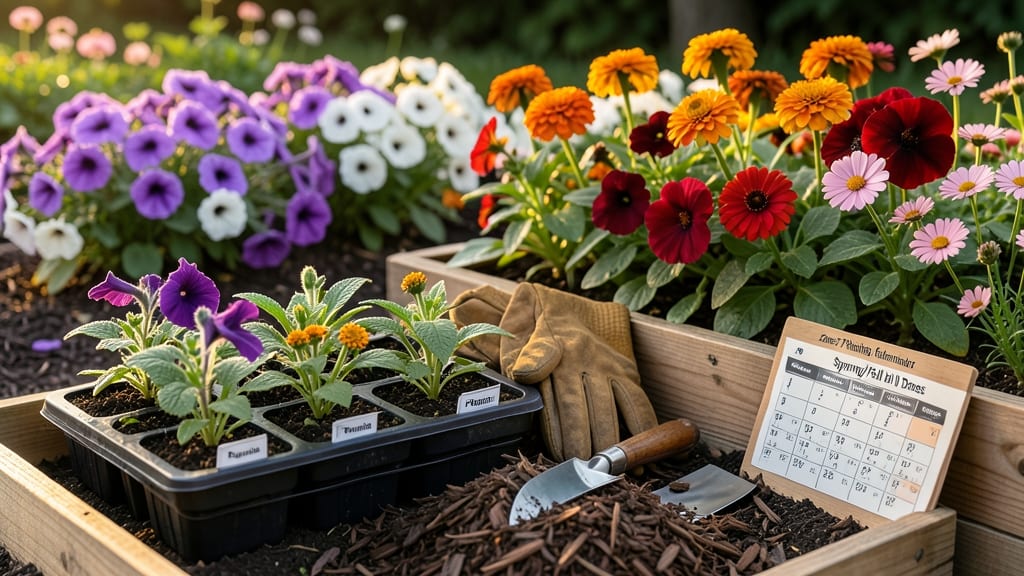
To plant flowers in Zone 7 at the right time means catching the late-March to early-April window before the last frost, or waiting for late August to September for fall bloomers like chrysanthemums.
Picture this: you’ve prepped the soil, chosen your 🌸 favorite varieties, and the nursery shelves are stocked—only to watch your seedlings shrivel overnight because you planted too early.
That’s the moment you realize timing isn’t just a suggestion; it’s the difference between a garden that thrives and one that barely survives.
Zone 7 gardeners know the drill: annuals like petunias and marigolds need to wait until after April 15, while hardy perennials can go in as early as March. But what about bulbs? Or those late-season bloomers that refuse to play by the rules?
The answer isn’t one-size-fits-all—and that’s why I’ve broken down the exact frost dates, soil prep secrets, and region-specific tweaks for Virginia, North Carolina, and Tennessee.
By the end of this guide, you’ll know not just when to plant, but how to adjust for early bloomers, heat-sensitive varieties, and even those sneaky microclimates that turn your backyard into a frost-free oasis. Let’s get those flowers in the ground the right way.
Zone 7 last frost dates by flower type: exact planting windows
Getting your flowers planted at the right time in Zone 7 ensures vibrant blooms all season. The average last frost date across Virginia, North Carolina, and Tennessee typically falls between March 15 and April 15, but regional microclimates can shift this by 1-2 weeks.
For example, Roanoke, VA often sees its last frost by March 25, while Asheville, NC may wait until April 5. Understanding these variations helps you avoid frost damage to tender seedlings.
I’ve broken down planting windows by flower type—annuals, perennials, and bulbs—so you can plan for early spring, summer, and fall blooms.
Annuals like marigolds and petunias thrive when planted 2-4 weeks after the last frost, while hardy perennials such as coneflowers can go in the ground as early as February in mild winters.
Bulbs, like tulips and daffodils, have their own timing rules for fall planting to ensure spring blooms.
🌱 Key Tip: Use row covers or a cold frame to extend your planting season by 2-3 weeks if frost threatens. This is especially useful for heat-loving annuals like geraniums or salvias, which need warm soil to germinate.
| Flower Type | Last Frost Date (Zone 7) | Planting Window | Regional Notes | Best For |
|---|---|---|---|---|
| Annuals (Tender) | April 1-15 | April 15-30 (after frost) | NC Mountains: April 10; TN Valleys: April 20 | Summer color (marigolds, impatiens) |
| Perennials (Hardy) | March 1-15 | February 15-April 1 (early spring) | VA Piedmont: March 5; NC Coast: March 20 | Long-term blooms (coneflowers, black-eyed Susans) |
| Bulbs (Spring) | November 1-15 (fall planting) | October 15-November 15 | TN: October 20; VA: November 1 | Early spring blooms (tulips, daffodils) |
| Fall-Blooming Annuals | October 15-November 1 | August 15-September 15 | NC: September 1; TN: August 20 | Autumn color (mums, asters) |
| Cold-Hardy Annuals | March 1-15 | February 15-March 15 | VA: February 20; NC: March 1 | Early season (pansies, snapdragons) |
For annual flowers, timing is critical because most varieties won’t survive frost. Start seeds indoors 6-8 weeks before your last frost date for fast-growing annuals like basil or cosmos, or 4-6 weeks for slower growers like petunias.
If you’re planting directly outdoors, wait until soil temperatures reach at least 60°F—use a soil thermometer to check. In North Carolina’s coastal plain, this might be as late as April 20, while Tennessee’s Cumberland Plateau could be ready by April 5.
Perennials are more forgiving, but early planting gives them time to establish strong root systems before summer heat. I recommend planting spring-blooming perennials like peony or iris in late winter (February) if your soil isn’t frozen.
For summer-blooming perennials such as lavender or salvia, wait until April 15 to avoid root rot from soggy spring soil. In Virginia’s Shenandoah Valley, where frosts linger longer, I often delay perennial planting until April 1 to be safe.
🌿 Pro Tip: Group perennials by bloom time to create a continuous color show. Plant early bloomers (e.g., bleeding heart) in February-March, mid-season bloomers (e.g., daylilies) in April, and late-season bloomers (e.g., sedum) in May.
Bulbs are a game-changer
How to adjust planting times for early vs. late bloomers in Zone 7
Adjusting planting times for early bloomers like pansies and late-season stars such as chrysanthemums is the secret to a garden that blooms from spring to frost.
In Zone 7, where last frosts can vary by 1–2 weeks across regions, timing isn’t just about dates—it’s about understanding soil temperatures and plant hardiness. Cold-hardy annuals like snapdragons and lobelia can handle light frosts, while heat-sensitive varieties like impatiens and marigolds wilt if planted too early.
Start with soil temperature as your guide: most seeds need 45–55°F soil to germinate, while transplants thrive when soil hits 60°F or warmer. Use a soil thermometer to check—this small tool saves you from guessing.
For early bloomers, sow seeds indoors 6–8 weeks before your last frost date (around February 15 for Zone 7), then transplant after April 15. Late bloomers? Wait until May 1 or later for heat-loving varieties.
| Plant Type | Cold Hardiness | Optimal Planting Time | Soil Temp Requirement | Bloom Season |
|---|---|---|---|---|
| Pansies | Tolerates 28°F | Early March–April 15 | 40–50°F | Spring & Fall |
| Snapdragons | Tolerates 25°F | Late March–May 1 | 50–60°F | Spring–Fall |
| Impatiens | 32°F (dies) | After May 15 | 65°F+ | Summer–Frost |
| Marigolds | 30°F (dies) | After April 15 | 60°F+ | Summer–Fall |
| Chrysanthemums | Tolerates 28°F | Late July–August | 55–65°F | Fall |
For heat-sensitive varieties, use shade cloth or plant in morning sun during early spring to buy time. My trick? Start impatiens and begonias in containers—this lets you move them indoors if frost threatens.
Meanwhile, late-season bloomers like cosmos and zinnias self-seed easily, so you can delay planting until June and still enjoy blooms through October.
Don’t forget fall planting for cold-hardy annuals! Pansies and snapdragons planted in late August will bloom until Christmas in Zone 7. The key is soil prep: amend beds with compost to improve drainage, and mulch heavily to protect roots.
For bulbs like tulips, plant in October—they need 6–8 weeks of cold to bloom next spring.
Pro tip: Use row covers to extend the season for early transplants. I’ve kept petunias blooming until November by covering them at night after the first frost. And if you’re in Tennessee’s warmer microclimates, you might push tender annuals like geraniums even later—just watch for hum