
Blooming
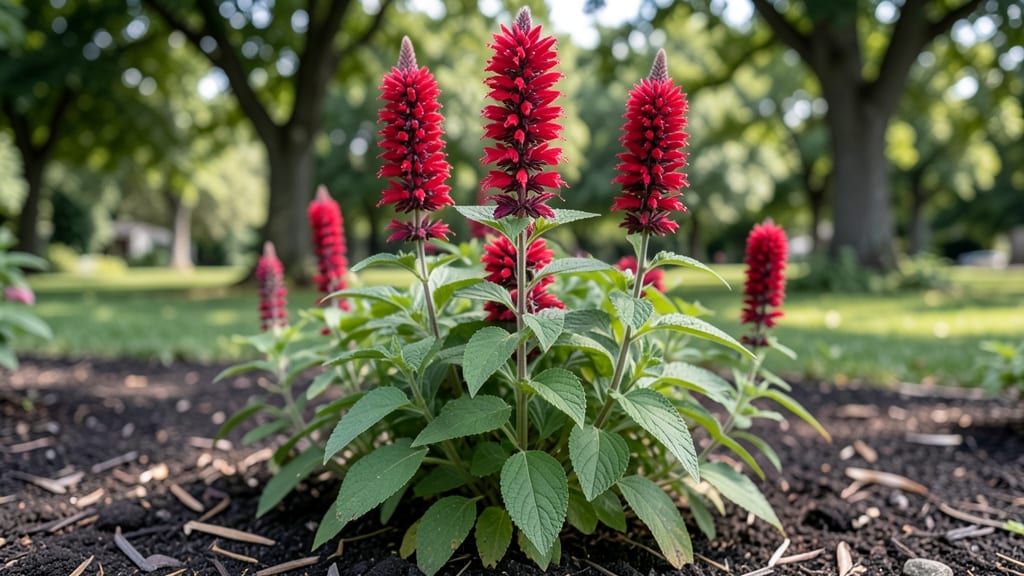
Bee balm flowering time stretches from June through September 🐝, offering a vibrant show that hummingbirds and bees adore—but its exact timing depends on where you live and how you care for it.
Picture this: your garden bursting with crimson, pink, and purple blooms just as summer transitions into fall, and the show lasting until the first frost.
That’s the magic of bee balm, but whether it blooms early June or stretches into October hinges on your climate zone, soil, and a few key pruning tricks.
In USDA Zone 6a, like much of the Midwest, bee balm typically kicks off in late June and thrives until September, but with the right care, you can coax it into reblooming well past Labor Day.
The secret? Deadheading spent flowers, feeding at the right times, and giving it the full sun it craves.
Below, I’ll break down the month-by-month bloom cycle, how to extend your bee balm’s season, and which varieties hold up best in heat and humidity—so you can enjoy its fragrant beauty longer than ever.
When and how long bee balm blooms: month-by-month breakdown
Bee balm (Monarda) is a pollinator magnet that rewards gardeners with vibrant blooms from early summer through fall. The exact timing depends on your USDA zone, variety, and growing conditions.
In zones 3–5, expect blooms to start late June to early July, while zones 6–9 see flowers as early as mid-June. Understanding these patterns helps you plan for a staggered, long-lasting display.
Most varieties bloom for 6–8 weeks under ideal conditions, but with proper care, you can extend this to 10+ weeks. The key lies in climate adaptation—humid regions may see earlier blooms, while drought-prone areas need consistent moisture.
Let’s break down the month-by-month timeline and how to maximize your bee balm’s flowering potential.
🌱 SUMMARY TABLE: BEE BALM FLOWERING TIMELINE BY VARIETY & ZONE
Notice how 'Wild Berry' blooms 2 weeks later than 'Jacob Cline' but lasts longer overall. This staggered timing is why mixing varieties creates a continuous pollinator buffet from June through frost. In humid climates (zones 7–9), blooms may start earlier and fade later due to extended warmth.
In cooler zones (3–5), expect shorter bloom windows unless you take steps to protect plants from early frost. For example, 'Marshall’s Delight' thrives in zones 4–8 but may need light row covers in zone 4 to extend its October blooms.
Always monitor your local first frost date—bee balm typically dies back with light frost but may rebloom if stems survive.
Heat and humidity play critical roles. In hot, dry summers (zones 6–9), bee balm may bolt prematurely if stressed. Mulching with 2–3 inches of organic matter retains moisture and cools roots, while morning watering prevents fungal issues.
In high-humidity zones (e.g., Southeast US), watch for powdery mildew—space plants 18–24 inches apart for airflow.
To extend blooms beyond their natural cycle, deadhead spent flowers weekly and prune 1/3 of stems after first flush. This encourages reblooming and can add 4–6 extra weeks of color.
For example, if 'Jacob Cline' normally blooms until late September, aggressive deadheading might push it to mid-October in zones 6–9.
Regional variations matter: In Pacific Northwest (zone 7–8), bee balm often blooms June–September with cooler nights delaying senescence. Meanwhile, in Deep South (zone 8–9), blooms may start in May and continue until November if protected from hard frosts.
Always adjust care based on your microclimate—e.g., afternoon shade in hot zones preserves blooms.
Pro tip: Plant bee balm near sun-loving perennials like coneflowers or black-eyed Susans to create a
5 Proven tips to prolong bee balm flowering until frost
Bee balm (Monarda) thrives as a late-summer star, but its flowering time can shrink if you don’t intervene. The key to extending its show lies in delaying senescence—the plant’s natural process of slowing down as temperatures drop.
With the right techniques, you can push those vibrant blooms past Labor Day and sometimes even until first frost.
Most gardeners miss the mark by focusing only on deadheading, but the secret sauce involves a mix of pruning schedules, soil fertility, and even companion planting.
Let’s dive into the top 5 methods ranked by effectiveness, so you can keep your bee balm in peak bloom longer than ever.
- 1. Deadhead Weekly – Snip off spent blooms every 7–10 days to trigger reblooming. Use clean bypass pruners and cut just above the leaf node to encourage new growth.
- 2. Late-Summer Prune – Trim back 1/3 of stems in early August to remove woody growth and redirect energy to new flowers. Avoid cutting into old wood to prevent dieback.
- 3. Boost NPK Ratio – Feed with a 10-10-10 fertilizer in early June and again in July to support bloom production. Avoid high-nitrogen feeds in late summer, which promote foliage over flowers.
- 4. Water Deeply – Soak the root zone every 2–3 days in summer to prevent stress-induced dormancy. Mulch with 2–3 inches of straw to retain moisture and regulate soil temperature.
- 5. Plant Near Thyme – Pair bee balm with thyme or lavender to deter Japanese beetles, a common pest that chews blooms. This companion planting trick keeps your plant healthy and flowering longer.
Start with deadheading—it’s the easiest way to jumpstart reblooming. I’ve seen ‘Jacob Cline’ varieties produce a second flush of blooms just by pinching off faded flowers every week. Pair this with a late-summer prune in August, and you’ll often get a third wave of blooms by September.
For soil fertility, don’t overdo it. A 10-10-10 fertilizer applied in early summer provides the perfect balance of nitrogen, phosphorus, and potassium to fuel both foliage and flowers. Skip the fertilizer after August, though—too much late-season feeding can make your plant vulnerable to frost damage.
Watering might seem straightforward, but timing matters. Morning watering prevents fungal issues, and deep soaking encourages roots to grow deeper, making your bee balm more resilient.
If you live in a hot, dry climate, like Zone 8 or 9, consider installing a drip irrigation system to keep roots consistently moist.
Finally, companion plants like thyme or catmint act as natural pest deterrents. Japanese beetles adore bee balm, but they’ll often avoid areas where thyme or lavender is growing nearby. This simple trick can mean the difference between a short-lived bloom and one that lasts until frost.
With these 5 tips in your toolkit, your bee balm will reward you with months of color—turning your garden into a pollinator paradise well into autumn. 🌸