
Watering
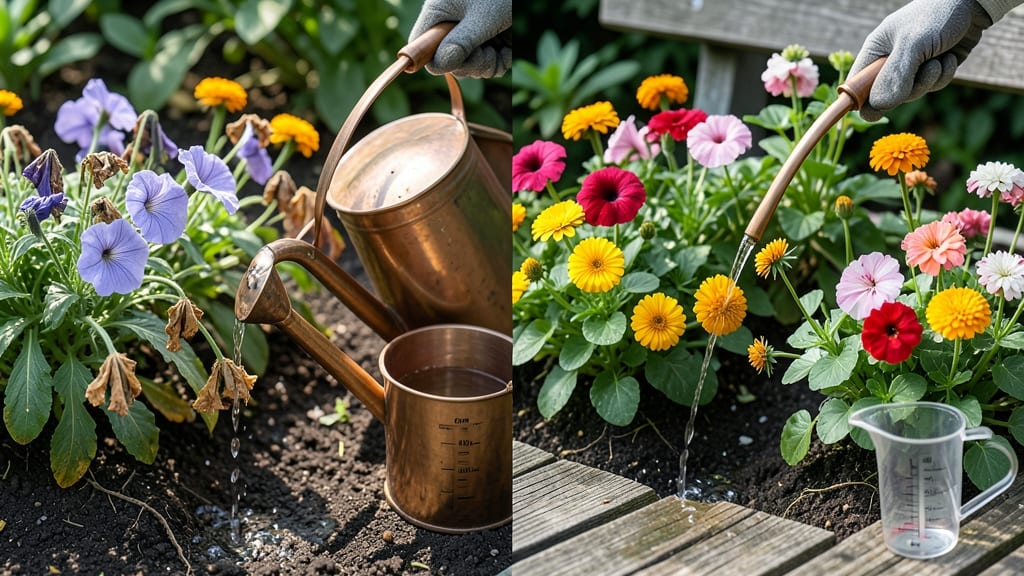
Do you have to water flowers every day? Rarely—what matters is how deep and when you water, not the calendar.
Overwatering kills more plants than underwatering—and most gardeners don’t realize they’re drowning their flowers by following outdated ‘water every day’ advice. The truth? Your schedule should change with the season, soil type, and even the pot size.
Instead of guessing, learn to read your flowers’ thirst cues: droopy petals, dry soil 1-2 inches down, or crispy edges. A morning watering routine prevents waste, while mulch keeps moisture locked in for days.
Below, I’ll break down the flexible schedule that works for your zone, plant type, and weather—so you water just enough, every time.
How often should you water flowers based on plant type?
Most gardeners assume flowers need daily watering, but the truth is far more nuanced. Overwatering actually causes root rot and fungal diseases more often than underwatering. The key is understanding your plant type, soil conditions, and seasonal changes.
Let’s break down the science-backed watering schedule that keeps your blooms healthy without waste.
Your watering routine should adapt to four main flower categories: annuals, perennials, succulents, and tropical varieties. Each has unique moisture needs, and ignoring these differences leads to wilting or soggy soil.
For example, petunias (annuals) thrive with daily water in summer, while lavender (perennial) prefers drought-like conditions once established.
| Plant Type | Water Frequency (Spring/Summer) | Water Frequency (Fall/Winter) | Soil Moisture Test | Key Notes |
|---|---|---|---|---|
| Annuals (e.g., marigolds, geraniums) | Every 1-2 days (deep watering) | Every 5-7 days (reduce by half) | Top 1-2 inches dry | Fast-growing; needs consistent moisture |
| Perennials (e.g., coneflowers, black-eyed Susans) | Every 2-3 days (established) | Every 7-10 days (dormant) | Top 2-3 inches dry | Deep roots; reduce water in winter |
| Succulents (e.g., sedum, echeveria) | Every 10-14 days (soak method) | Every 3-4 weeks (minimal) | Top 3+ inches dry | Store water; avoid soggy soil |
| Tropicals (e.g., hibiscus, canna lilies) | Every 1-2 days (keep soil moist) | Every 3-5 days (reduce slightly) | Top 1 inch dry | High humidity needs; mulch helps |
Seasonal adjustments are critical. In spring, most flowers need moderate watering as they emerge from dormancy, but by summer, heat increases evaporation rates by up to 30%. Use your finger to test soil moisture: stick it 1-2 inches deep—if it feels dry, water.
In fall, reduce frequency as plants prepare for winter, and in winter, water only when soil is bone-dry to prevent rot.
Container-grown flowers dry out faster than in-ground plants. A 5-gallon pot may need watering every 2-3 days in summer, while a hanging basket can dry out in 1-2 days.
Always check the weight: a dry pot feels light as a feather, while a moist one feels heavier. Use well-draining soil and terracotta pots to help regulate moisture levels.
Mulching is a game-changer for water efficiency. A 2-3 inch layer of organic mulch (like straw or wood chips) locks in moisture and reduces evaporation by up to 40%. Apply mulch around the base of plants, keeping it 2 inches away from stems to prevent rot.
This is especially helpful for perennials and tropical flowers that struggle in dry climates.
Signs of overwatering include yellowing leaves, mushy stems, and a sour smell from the soil. Underwatering shows as wilting, crispy leaf edges, and soil pulling away from pot sides. Adjust your schedule based on these cues—your plants will tell you what they need if you listen closely.
For example, petunias wilt dramatically in heat but bounce back quickly with a deep drink.
Rainfall can drastically change your watering plan. Before watering, check if your area received ½ inch or more of rain in the past 24 hours. Use a rain gauge or a simple tuna can buried in your garden to measure.
In humid climates, you may need to water less frequently because moisture lingers in the air, while arid regions demand more frequent, deeper watering.
Morning watering is ideal for most flowers. Watering between 6 AM and 10 AM allows foliage to dry before evening, reducing fungal diseases like powdery mildew. Avoid evening watering, as wet leaves overnight create a breeding ground for pests.
For container plants, water until you see runoff from the drainage holes—this ensures roots get a thorough soak.
Don’t forget that newly planted flowers need extra attention. For the first 2-3 weeks, water daily to help roots establish, then taper off as they grow. Use a soaker hose or drip irrigation for even moisture distribution, which is gentler than overhead sprinklers. This method also saves water by
5 Signs you’re watering flowers wrong (and how to fix it)
Your flowers might be sending SOS signals—but you’re misreading them. Yellowing leaves, mushy stems, or crispy edges often mean you’re watering wrong, not that your plants are "picky." The biggest mistake? Assuming a one-size-fits-all schedule works for all flowers, climates, and seasons.
Even daily watering can drown succulents or perennials, while skipping water for tropical blooms in heatwaves causes irreversible damage. The fix? Learn to read your plants’ soil moisture and adjust based on weather patterns, not a rigid calendar.
⚠️ callout warning ⚠️
⚠️ Watering Myth Busted!
You don’t have to water flowers every day—even in summer! Most gardeners overwater by 30-50%. Instead, focus on deep watering 2-3x/week (adjust for rain/climate). Test soil 1-2 inches down: if dry, water; if damp, wait. Potted flowers dry faster—check daily in heat.
Start with the top 5 red flags that reveal your watering habits. Yellow leaves with crispy edges? You’re likely overwatering. Wilting that doesn’t bounce back? Probably underwatering. White mold on soil?
Fungal growth from poor drainage or night watering. Each sign points to a fix—like adjusting your watering depth or mulching to retain moisture.
For arid climates, water deeply every 3-4 days to encourage roots to grow downward. In humid zones, reduce frequency to every 5-7 days—excess moisture causes root rot. Container plants need daily checks in summer, while in-ground perennials thrive on weekly deep soaks.
Use a moisture meter if unsure—it’s the most accurate tool for avoiding guesswork.
Your watering checklist should include these steps: ☑️ Morning watering (prevents fungal growth) ☑️ 1-2 inches deep (encourages root growth) ☑️ Mulch 2-3 inches (retains moisture) ☑️ Adjust for rain (skip watering if soil is damp) ☑️ Drainage check (pots must have holes; in-ground soil should dry between waterings) Follow this, and your flowers will thrive without stress.
Remember: plants drink through their roots, not their leaves. If you see water beading on foliage, you’re watering wrong—aim for the soil, not the petals. With these fixes, your blooms will reward you with vibrant color and long-lasting beauty all season. 🌸