
Light Requirements
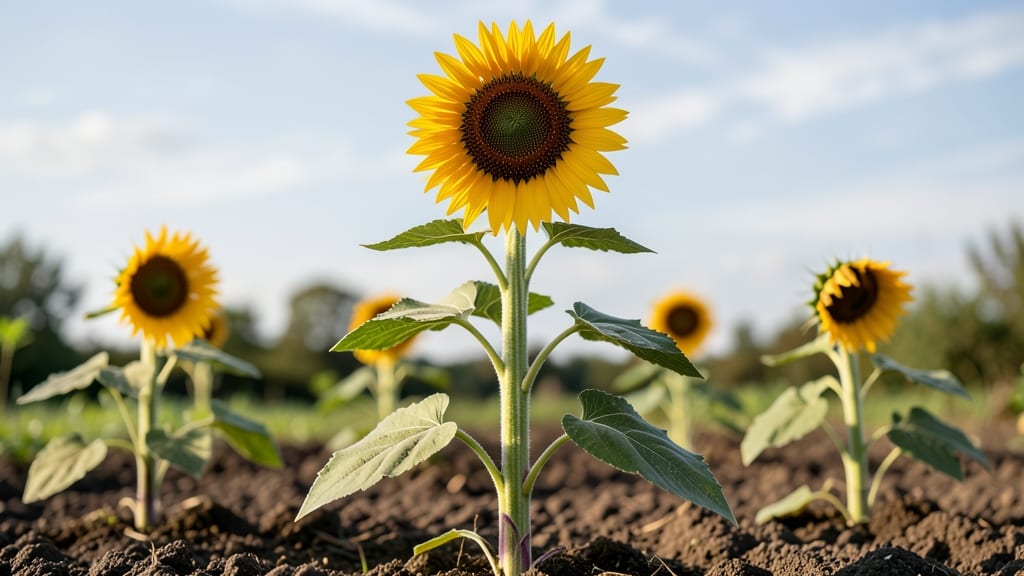
Sunflowers need sunlight to grow tall and strong 🌻 — at least 6 hours daily of direct rays to reach their full potential.
Picture this: you’ve planted your seeds, watered them just right, and waited patiently—only to watch them stretch tall and spindly with no blooms in sight. That’s the classic sign of a sunflower starved for light, and it’s easier to fix than you’d think.
Sunflowers thrive in full sun, but even partial shade can work if you pick the right varieties and tweak a few growing habits. Below, I’ll break down exactly how much light they need, what happens when they don’t get enough, and how to optimize their growth—even in less-than-ideal spots.
You’ll also discover the best sunflower types for shadier gardens, how to spot light deprivation early, and simple tricks to keep your golden giants happy all season long.


How much sunlight do sunflowers need for optimal growth?
Sunflowers, with their towering stems and radiant blooms, are sun-worshippers by nature. To grow their best, they need full sun exposure—typically 6 to 8 hours daily. This sunlight fuels their rapid growth and vibrant flower production.
Without enough light, they’ll struggle to reach their full potential, often producing leafy stems with few blooms. Let’s break down their sunlight needs and how to meet them, even in less-than-ideal conditions.
Sunflowers thrive in direct sunlight, which means placing them in spots where they receive unobstructed rays for most of the day. In temperate climates, this usually means southern or western exposures.
However, in desert regions, afternoon shade can prevent leaf scorch while still providing ample morning sun. Understanding your local sunlight patterns is key to optimizing their growth.
| Sunflower Type | Sunlight Needs | Growth Impact | Best For |
|---|---|---|---|
| Standard Varieties | 6–8+ hours | Tall, robust stems; large blooms | Open fields, gardens |
| Dwarf Varieties | 4–6 hours | Shorter height; smaller flowers | Containers, small gardens |
| Partial Shade Tolerant | 3–4 hours | Slower growth; fewer blooms | Woodland edges, urban areas |
If your sunflowers aren’t getting enough sunlight, they’ll show signs of light deprivation. Look for long, leggy stems with small leaves and minimal blooms—a classic sign of etiolation. These plants stretch toward any available light, becoming weak and prone to falling over.
In extreme cases, they may produce no flowers at all, leaving you with just foliage. This is your cue to relocate them to a sunnier spot or provide supplemental light.
Not all sunflowers are created equal when it comes to sunlight tolerance. Standard varieties, like 'Mammoth' or 'Russian Giant,' demand full sun to reach their impressive heights.
Meanwhile, dwarf varieties, such as 'Teddy Bear' or 'Sunspot,' can tolerate partial shade but will still perform best with at least 4–6 hours of sun. Choosing the right variety for your light conditions can make all the difference in achieving healthy, blooming sunflowers.
Regional differences play a huge role in sunlight exposure. In desert climates, where sun intensity is high, sunflowers may need afternoon shade to prevent leaf burn while still soaking up morning rays.
Conversely, in northern temperate zones, where sunlight is less intense, they can thrive with longer daylight hours during summer. Adjusting for your location ensures your sunflowers get the right balance of light without overheating or stress.
To maximize sunlight exposure, consider raising garden beds or using reflective surfaces, like white mulch or mirrors, to bounce extra light onto your plants. Even in urban gardens with limited space, placing sunflowers near south-facing walls or on rooftop decks can provide the extra light they need.
A little creativity goes a long way in helping these sun-loving plants thrive.
If you’re growing sunflowers in containers, position them in the sunniest spot available, like a south-facing patio or balcony. Containers heat up quickly, so ensure they have well-draining soil and are watered deeply to prevent root stress.
Moving pots throughout the day to follow the sun can also help, especially in shadier microclimates like courtyards or alleyways.
One common mistake is assuming that bright, indirect light is enough for sunflowers. While it’s better than deep shade, it won’t produce the bold, vibrant blooms you’re after. Sunflowers need direct sunlight to photosynthesize efficiently and develop strong stems.
If your garden lacks full sun, consider growing shade-tolerant varieties or supplementing with grow lights during early growth stages.
Monitor your sunflowers regularly for signs of sunlight stress or deficiency. Healthy sunflowers have upright stems, dark green leaves, and large, open blooms. If you notice yellowing leaves or stunted growth, it’s time to reassess their light conditions.
Sometimes, simply rotating plants or trimming nearby obstructions can restore their access to sunlight and jumpstart their growth.
In summary, sunflowers are sun-hungry plants that reward you with stunning blooms when given the right conditions. Aim for 6–8 hours of full sun daily, choose varieties suited to your light levels, and don’t hesitate to get creative with placement.
With the right approach, your sunflowers will grow tall, strong, and full of golden cheer—just like nature intended. 🌻
What happens if sunflowers don’t get enough sunlight?
Sunflowers are sun-worshippers—they stretch toward the light like nothing else in your garden. But when they don’t get enough, their growth takes a dramatic turn for the worse. Without 6+ hours of direct sunlight, your once-promising plants may start looking like sad, spindly shadows of their potential.
This condition is called etiolation, and it’s a clear warning sign that your sunflowers are struggling.
Etiolation causes sunflowers to develop weak, elongated stems that can’t support their own weight. Instead of producing those iconic golden blooms, they’ll focus all their energy on reaching for light, leaving you with a tower of green and no flowers.
Even worse, the stems become brittle and prone to snapping in wind or rain, turning your garden centerpiece into a floppy mess.
🚨 CALLOUT WARNING 🚨
Sunflowers deprived of sunlight show 3 key warning signs:
- Stems stretch beyond 2x normal height (etiolation)
- Leaves grow pale and sparse (chlorosis)
- No flower buds appear, even after weeks of growth
Diagnosing the problem starts with a simple light audit of your garden. Check your sunflower’s location between 10 AM and 4 PM—this is when sunlight is strongest. If nearby plants cast hard shadows over your sunflowers for more than 2 hours, that’s your culprit. Even dappled shade from trees can reduce sunlight by 50%, triggering these growth issues.
Fortunately, fixing light deprivation is often as simple as relocating your plants. If your garden has a south-facing spot, that’s ideal—sunflowers thrive there with 8+ hours of direct sun. For containers, move them to a patio or balcony with unobstructed southern exposure.
Even a reflective surface like a white wall can bounce extra light onto your plants, giving them a much-needed boost.
If relocating isn’t possible, try pruning leggy stems to encourage bushier growth. Cut back the tallest stems by 1/3 their height just above a leaf node. This redirects energy toward side shoots and flower buds, helping your sunflowers recover.
Pair this with reduced watering—dry soil triggers deeper root growth, making plants more resilient to light stress.
For stubborn cases, consider grow lights as a temporary solution. A full-spectrum LED bulb placed 12-18 inches above your sunflowers for 12-14 hours daily can mimic natural sunlight. Just avoid keeping lights on too long—sunflowers need dark periods to flower properly.
With these adjustments, your sunflowers can bounce back and still deliver those cheerful blooms you planted for!