
Shrubs
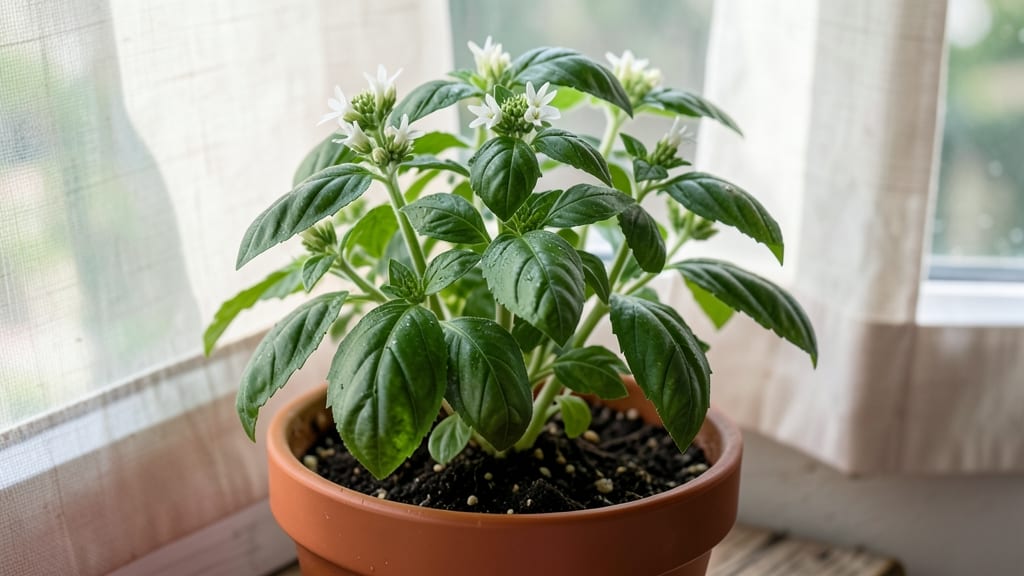
To tell if basil is flowering, look for tiny white or pale clusters forming at the leaf joints—these buds signal your plant is shifting focus from leaves to seeds.
Struggling to spot them? Those small, delicate blooms often hide between the leaves, but once they appear, your herb’s flavor fades fast. Worse, flowering means fewer leaves for your pesto and pasta dishes.
Here’s the good news: with a quick pinch, you can redirect your basil’s energy back to leaf growth. I’ll show you exactly where to cut and when, so your 🌿 stays lush and productive all season.
Whether you’re growing sweet basil, Genovese, or Thai varieties, these tips apply—plus, I’ll cover why some plants flower earlier (and how to fix it).
Visual signs your basil plant is flowering (and why it matters)
If you're growing basil for its flavorful leaves, those tiny flower buds are your first warning sign that your harvest window is closing. When basil flowers, it shifts energy from leaf production to seed development, which means smaller, bitter-tasting leaves and slower growth.
Knowing how to spot these early signs lets you act fast to prune and preserve your plant's productivity.
Most gardeners miss the first signs because basil flowers start as tiny white or pale green buds hidden in the leaf axils (where leaves meet the stem). These buds can easily be mistaken for new leaf growth or even pest damage.
Without intervention, these buds will grow into spikes of white or purple flowers, signaling it's too late to save your basil's leaf quality for the season.
Here's the key difference: flower buds appear in the leaf axils and are rounded and fuzzy, while new leaves grow at the stem tips and are flat and smooth.
Pest damage, like spider mite eggs, looks like tiny yellow specks rather than raised buds. Paying attention to these details helps you catch flowering early.
Flowering also triggers a chemical change in the leaves, making them taste bitter and woody—a common complaint among gardeners who let their basil go to seed. This happens because the plant produces coumarin compounds as it matures, which are naturally bitter.
The sooner you remove these buds, the longer you can enjoy sweet, aromatic basil leaves for cooking.
| Sign | Appearance | Location | Action Needed |
|---|---|---|---|
| Early Buds | Tiny white/green fuzzy bumps | Leaf axils (stem junctions) | Pinch immediately to redirect growth |
| Developing Flowers | 1-inch spikes of white/purple | Top of stems | Prune entire flower stalk at base |
| Mature Flowers | Seed pods forming | Throughout plant | Remove entire plant or harvest remaining leaves |
| Pest Damage | Yellow specks or webbing | Underside of leaves | Treat with neem oil or insecticidal soap |
| New Leaf Growth | Flat green emerging leaves | Stem tips | No action needed |
Different basil varieties flower at slightly different rates, but Genovese and Sweet Basil are particularly prone to early flowering if stressed. Thai basil and Lemon basil may produce purple-tinged flowers, while Green Bush Basil tends to stay leafier longer.
If you're growing basil for culinary use, prioritize pruning these varieties first to extend your harvest.
Flowering also impacts plant growth by redirecting nutrients from leaves to seeds. You'll notice slower leaf production and stunted stems as the plant focuses on reproduction. In extreme cases, the entire plant may bolt (send up a tall flower stalk) and become woody, making it unusable for cooking.
This is why regular pruning is essential—it keeps your basil focused on leaf growth.
Even if you miss the early buds, don't panic. Once you see flower spikes, simply prune them off at the base. This won't reverse the flavor change in existing leaves, but it will prevent further flowering and allow new, tender leaves to grow.
For the best results, pinch off buds as soon as you spot them—this is the most effective way to reset your basil's growth cycle.
Pro tip: Harvest leaves regularly (every 2-3 weeks
Step-by-step pruning guide to prevent flowering and boost leaf production
Once you’ve spotted those tiny white flower buds on your basil plant, time is of the essence. Pruning them back prevents the plant from shifting energy toward seed production, keeping your leaves tender and flavorful.
The key is acting quickly and correctly—here’s how to do it without harming your plant.
Your pruning tools should include clean, sharp bypass pruners or your fingers for pinching. Avoid dull tools that can crush stems. Work in the morning hours when the plant is hydrated, and always sterilize your tools with rubbing alcohol to prevent disease spread.
How to Prune Basil Flowers for Maximum Leaf Growth
- 1 Identify the flower buds: Look for small white or pale green clusters at the leaf axils (where leaves meet stems). These are your target areas for pruning.
- 2 Pinch off the buds: Use your thumb and forefinger to gently pinch the entire flower bud (including the stem) just above a leaf node. This encourages new growth from that node.
- 3 Prune with clean cuts: If buds are large, use sterilized pruners to make a 45-degree cut just above a leaf node. Avoid leaving stubs, which can rot.
- 4 Harvest leaves simultaneously: While pruning, snip outer leaves to promote bushier growth. Aim for 1/3 of the plant to avoid stressing it.
- 5 Fertilize lightly post-pruning: Apply a balanced fertilizer (10-10-10) to replenish nutrients. Water deeply to help recovery.
Pruning regularly every 2-3 weeks keeps your basil producing lush, flavorful leaves instead of flowers. Focus on the top 4-6 inches of the plant, where new growth emerges. This method works for all basil varieties, including Genovese and Thai basil.
If you miss the buds and flowers bloom, don’t panic. Simply remove the entire flower stalk at its base to redirect energy back to leaf production. Your basil will bounce back with vigorous new growth within weeks.
Consistent pruning not only boosts leaf yield but also improves flavor by preventing the plant from becoming bitter. Keep an eye out for new buds, and you’ll enjoy a continuous harvest all season long.