
Flowers
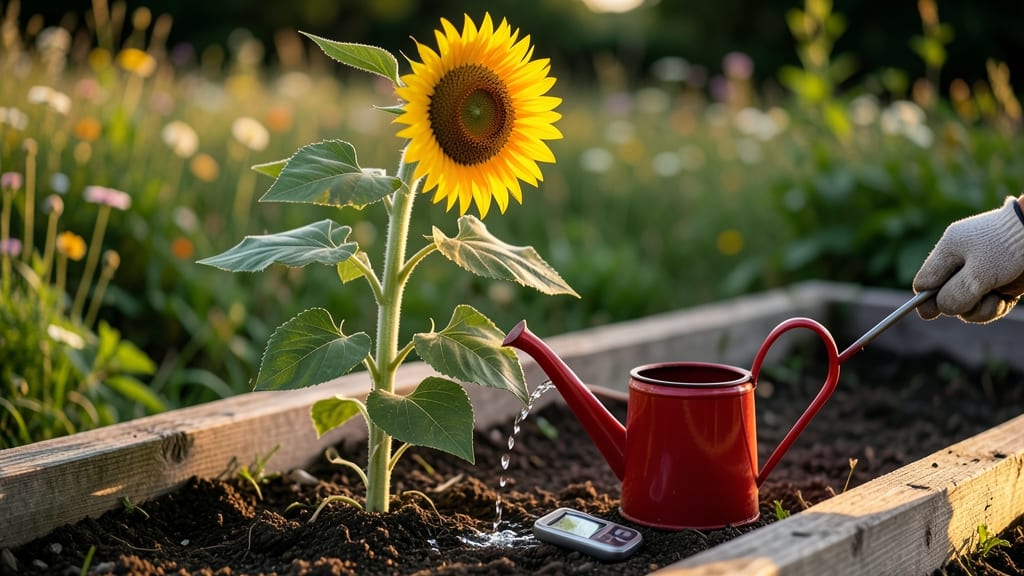
To keep your sunflowers thriving, how often do sunflowers need to be watered? The answer is about once a week—but timing and technique make all the difference between towering giants and wilted disappointments.
Picture this: You’ve just planted your sunflower seeds in April, and the soil feels damp after a morning shower. A quick sprinkle every day keeps the topsoil moist, but your seedlings aren’t growing—because their roots need to stretch deep, not just sip from the surface.
The key is deep watering—soak the soil 6 inches down every 7–10 days in spring, then ramp up to every 5–7 days when summer heat arrives. Too much water? Yellow leaves and mold. Too little? Stunted stems that flop under their own weight.
In this guide, I’ll break down the exact schedule for each growth stage, how to read your sunflower’s thirst cues, and pro tips to water smarter—not harder—so your plants drink like champions all season.
Sunflower watering schedule by growth stage: from seedlings to blooms
Sunflowers may look sturdy, but their delicate early stages and deep taproots demand precise watering. Too much moisture causes root rot, while too little weakens stems and stunts growth. The key?
Adjusting your watering routine as your sunflowers grow—from moist seedlings to thirsty bloomers. Let’s break it down by stage so you can keep your plants happy without guesswork.
Newly sprouted sunflowers have shallow roots and need consistent moisture to prevent drying out. Overwatering here is just as risky as underwatering—both can kill tender seedlings. The soil should stay damp, not soggy, and a light misting or shallow watering every 2-3 days works best.
Use a spray bottle or gentle stream to avoid disturbing the soil around the tiny stems.
Once seedlings reach 2-3 inches tall, their roots begin to dive deeper, but they still need regular watering. At this stage, aim for 1 inch of water per week, delivered deeply rather than superficially.
Avoid wetting the leaves to prevent fungal diseases like powdery mildew, which loves damp foliage. Early morning watering gives leaves time to dry before evening humidity sets in.
| Growth Stage | Watering Frequency | Depth | Soil Moisture Goal | Best Time |
|---|---|---|---|---|
| Seedlings (0-2 weeks) | Every 2-3 days | Shallow (0.5 inch) | Damp, not soggy | Morning |
| Vegetative (3-6 weeks) | Every 3-4 days | 1-2 inches | Moist 6 inches down | Early morning |
| Flowering (7-12 weeks) | Every 5-7 days | 2-3 inches | Deeply moist | Morning or evening |
| Mature (Post-Bloom) | Every 7-10 days | 3+ inches | Drought-tolerant | Deep watering |
During the vegetative stage (3-6 weeks), sunflowers develop their iconic height and need deep, infrequent watering. Let the top 1-2 inches of soil dry between waterings to encourage roots to grow downward.
Test soil moisture by sticking your finger 2-3 inches deep—if it feels dry, it’s time to water. Clay soil holds moisture longer than sandy soil, so adjust accordingly.
When buds form and flowers begin to open, your sunflowers enter the most water-intensive phase. This is when they need 1-2 inches of water per week, delivered deeply to support their rapid growth and heavy blooms.
Hot, dry spells may require daily watering in the morning, but avoid wetting the flowers to prevent mold. If your soil is sandy or fast-draining, water more frequently but less deeply.
Mature sunflowers with deep taproots (6-12 feet!) become surprisingly drought-tolerant. Once established, they can go 7-10 days without water, but don’t skip watering entirely—even hardy plants need occasional deep soaks to prevent stress.
Focus on root zone hydration rather than surface watering, and mulch around the base to retain moisture and regulate soil temperature.
Environmental factors like wind, heat, and humidity can drastically alter your watering schedule. On windy days, soil dries out faster, so water 1-2 extra times per week.
In high humidity, reduce frequency to prevent fungal issues. Clay soil stays moist longer, while sandy soil drains quickly—adjust based on your garden’s conditions. Always water at soil level, not the leaves, to keep plants healthy.
To check if your sunflowers need water, perform the finger test: Push your finger 2-3 inches deep into the soil. If it feels dry, water thoroughly. For container-grown sunflowers
5 Signs your sunflowers are overwatered or underwatered (and how to fix it)
Sunflowers 🌻 thrive on consistency, but their deep roots can trick even seasoned gardeners. Too much water causes root rot and mold, while too little leads to wilting and stunted growth.
I’ve seen both extremes—drowning seedlings and dehydrated stalks—so I know the signs. Let’s diagnose your sunflowers’ water woes and fix them fast.
First, check the soil moisture by sticking your finger 2-3 inches down. If it’s soggy, you’re overwatering. If dry, your plants are thirsty. Sunflowers need deep watering (1-2 inches per week) but hate waterlogged soil. The key is balance—let’s break it down with clear visual cues.
🌱 Numbered Highlights: How Often Do Sunflowers Need Watering?
- Seedlings: Water every 2-3 days—soil should stay moist but not soggy. Use a spray bottle for gentle hydration.
- Vegetative Stage (3-6 weeks): Deep water 2x per week. Let top inch dry between waterings to encourage deep root growth.
- Flowering Stage: Water every 5-7 days. Focus on the base of the plant to avoid wetting petals (prevents mold).
- Mature Plants: Reduce to weekly deep watering. Established sunflowers are drought-tolerant but still need moisture during heatwaves.
- Heatwaves: Increase to every 3-4 days—mulch with straw to retain moisture and cool roots.
Now, let’s tackle the 5 red flags of water stress. If your sunflowers show yellowing leaves, it’s often overwatering—especially if the soil smells like wet socks. For underwatering, look for crispy leaf edges or drooping stems that don’t bounce back after watering.
Overwatered sunflowers may also develop gray mold on stems or leaves. This fungal issue thrives in damp conditions. To fix it, space plants wider (12-18 inches apart) and water at the base only.
Underwatered plants, on the other hand, show curl-up leaves as a survival tactic to reduce water loss. Revive them with a deep soak in the morning.
For stubborn cases, improve drainage by amending soil with compost or perlite. If your garden has heavy clay, consider raised beds to prevent water pooling. Mulching with straw or wood chips also helps—it locks in moisture for underwatered plants while keeping overwatered roots from suffocating.
Pro tip: Water in the morning (before 10 AM) to let foliage dry by nightfall. This simple habit cuts down on fungal risks and gives your sunflowers a strong start to the day.
Adjust your schedule based on the weather—hotter days mean more frequent watering, while rainouts mean you can skip a day.
With these fixes, your sunflowers will bounce back in no time. Keep an eye on those leaves and soil, and soon you’ll have tall, healthy stalks reaching for the sky—just like they’re supposed to! 🌻