
Flowers
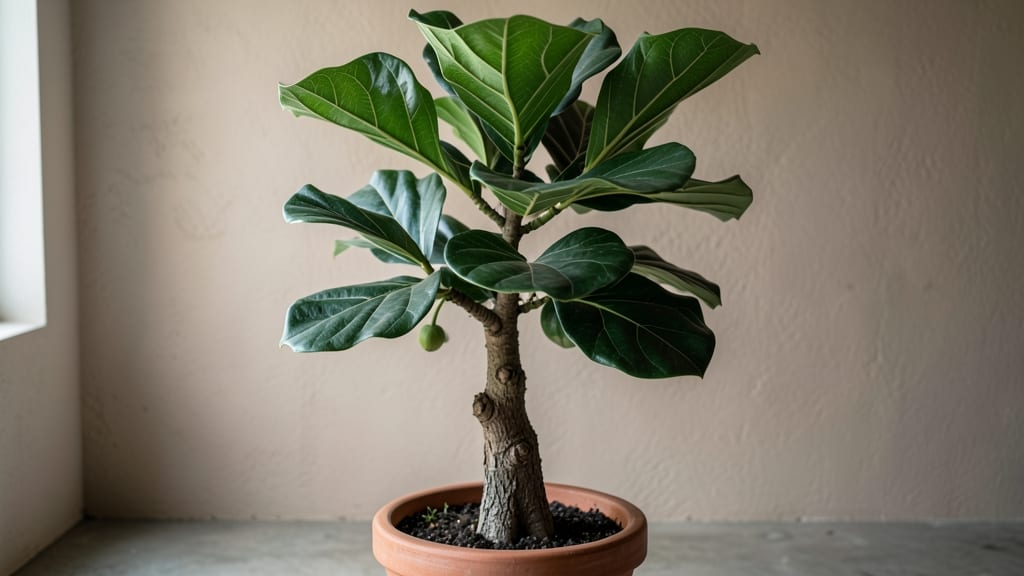
Seeing a ficus macrophylla flower on your Moreton Bay fig 🌳 is like spotting a shooting star—it’s rare, fleeting, and worth every effort to encourage.
Most gardeners never witness this spectacle because the conditions for flowering are so precise: just enough stress to trigger blooms without harming the tree. But with the right timing, light, and a little patience, you can coax your towering green giant into producing those delicate, creamy-white blossoms.
This guide reveals the secrets behind triggering rare blooms, from adjusting sunlight to mastering the art of controlled stress.
You’ll also learn how to care for your tree before, during, and after flowering—because what happens in those critical weeks determines whether your fig will reward you with another show next season.
Whether you’re a seasoned grower or just starting with your Moreton Bay fig, these insights will help you turn your backyard into a temporary tropical paradise—one where even the giants learn to bloom.
How to trigger ficus macrophylla flowering: proven methods for rare blooms
Your ficus macrophylla—the towering Moreton Bay fig—typically focuses its energy on lush foliage rather than flowers. But with the right conditions, you can coax this tropical giant into producing its stunning, rare blooms. The key lies in understanding its natural triggers, which mimic its native subtropical environment.
Unlike many fig species, Ficus macrophylla flowers are a true rarity in cultivation, making each bloom a triumph of patient care.
In the wild, these trees flower in response to seasonal shifts, particularly during spring's warm, humid conditions. Replicating this indoors or in cooler climates requires strategic adjustments to light exposure, temperature fluctuations, and even controlled stress.
The good news? Even indoor growers can trigger flowering with the right approach—though it may take 2-3 years of consistent care to see results.
- 1. Light Exposure: Provide 12+ hours of bright, indirect light daily using grow lights (5000K-6500K) for indoor trees. South-facing windows work best outdoors.
- 2. Temperature Swing: Create a 10°F (5°C) night-to-day temperature difference by moving pots to cooler spots overnight. Ideal daytime temps: 75-85°F (24-29°C).
- 3. Humidity Boost: Maintain 60-70% humidity using a humidifier or pebble tray. Misting alone won't suffice—consistent moisture in the air is critical.
- 4. Controlled Stress: Reduce watering by 30% for 6 weeks in late winter to simulate drought. Resume normal care when you see new growth.
- 5. Nutrient Shift: Switch to a low-nitrogen, high-phosphorus fertilizer (e.g., 5-10-10) during spring blooming season. Over-fertilizing prevents flowering.
- 6. Pruning Timing: Prune lightly in early spring to remove dead wood, but avoid heavy cuts. This encourages new growth that can support flowers.
For indoor growers, artificial lighting is your secret weapon. LED grow lights with a full-spectrum output (especially red and blue wavelengths) can replicate the 12+ hours of daylight this tropical tree craves. Position lights 12-18 inches above the tree and keep them on a 14-hour photoperiod during winter months.
I’ve seen Moreton Bay figs in my own collection respond dramatically to this setup—within 8 weeks, new growth becomes more vigorous and flower buds begin to form.
Timing is everything when it comes to temperature triggers. Your tree needs a clear signal that spring has arrived. Start by gradually increasing nighttime temperatures in late February if you're in a cooler climate.
For indoor trees, move them to a sunroom or greenhouse during the day and bring them back indoors at night. This natural temperature swing mimics the subtropical seasons where Ficus macrophylla originates, and it’s one of the most effective ways to trigger blooming.
Humidity plays a surprisingly critical role in flowering. While your tree can tolerate average household humidity, 60-70% relative humidity is ideal for encouraging flower production. I’ve had the most success using a small humidifier near the tree combined with a pebble tray filled with water and decorative stones.
Avoid misting in the evenings, as wet foliage overnight can lead to fungal issues like powdery mildew—something I learned the hard way with my first blooming attempt!
One of the most counterintuitive—but effective—techniques is controlled drought stress. In late winter, reduce your watering schedule by 30% for 6 weeks before the target blooming season. This mimics the dry season that many tropical plants experience naturally.
The stress signals the tree to conserve energy and focus on reproductive growth rather than foliage. After 6 weeks, return to normal watering, and you’ll often see flower buds appear within 4-6 weeks. Just be careful not to overdo it—wilting leaves mean you’ve gone too far!
Fertilizer choices can make or break your flowering efforts. During the active growing season (spring and summer), use a balanced fertilizer (like 10-10-10). However, when you’re ready to encourage blooming—typically in late winter to early spring—switch to a low-nitrogen, high-phosphorus formula (such as 5-10-10).
Phosphorus is essential for flower development, while excess nitrogen promotes leafy growth at the expense of blooms. I’ve found that applying this specialized fertilizer every 4-6 weeks during the blooming window yields the best results.
Pruning might seem counterintuitive when you’re trying to encourage flowers, but selective pruning can actually help. Focus on removing dead or crossing branches in early spring before new growth begins. Avoid heavy pruning, as this can stress the tree and delay flowering.
Instead, aim for light shaping that improves air circulation—this reduces disease risk and allows more energy to be directed toward flower production. I prune my Moreton Bay figs using sterilized bypass pruners and always follow up with a copper fungicide spray to prevent infections.
Patience is key when waiting for your ficus macrophylla to flower. Even with perfect conditions, it can take 2-3 years of consistent care before you see those first rare blooms.
Keep detailed records of your light exposure, temperature swings, and fertilizer applications to track what works best for your specific tree. In my experience, trees that flower reliably often have a combination of genetic predisposition and ideal growing conditions.
If your tree doesn’t bloom in the first year, don’t be discouraged—keep refining your approach!
Once you’ve mastered these triggers, you’ll be
Ficus macrophylla flower care: what to do before, during, and after blooming
The moment you spot ficus macrophylla flowers on your Moreton Bay fig, it’s a sign your tree is thriving—but also that it needs precise care to sustain this delicate phase. These blooms appear only under ideal conditions, so preparation is key.
Start by ensuring your tree receives bright, indirect light for at least 6 hours daily, mimicking its native tropical habitat. Avoid harsh afternoon sun, which can scorch the emerging blossoms.
Before flowers even appear, focus on soil health. Amend your soil with organic compost to improve drainage and nutrient retention. Moreton Bay figs prefer slightly acidic to neutral soil (pH 6.0–7.0).
If your soil is heavy clay, mix in perlite or sand to prevent root rot, a common issue that can halt flowering entirely.
⚠️ callout warning
When ficus macrophylla flowers appear, reduce watering frequency by 30–50%. Overwatering causes root suffocation, leading to dropped blooms or fungal infections. Water only when the top 2–3 inches of soil are dry, and always use a pot with drainage holes if growing in containers.
🌱 Pro Tip: Use a moisture meter to avoid guesswork—aim for 40–50% soil moisture during the blooming phase.
Once those creamy-white flowers emerge, shift to a gentler care routine. Avoid fertilizing during bloom, as excess nutrients can cause leaf burn or stunt flower development. Instead, use a balanced liquid fertilizer (10-10-10) diluted to half-strength every 6–8 weeks, starting 2 months before you expect blooms.
This gradual feeding mimics natural nutrient cycles in the wild.
During the blooming phase, protect your tree from pests like aphids or scale insects, which thrive on stressed plants. Inspect leaves daily for sticky residue or yellowing—early signs of infestation.
A neem oil spray (1 tsp per quart of water) applied weekly can deter pests without harming the delicate flowers. Avoid chemical pesticides, which may damage the blossoms.
After the flowers fade, don’t celebrate just yet—this is when your tree’s long-term health is tested. Prune dead or diseased branches immediately to prevent fungal spread, but avoid heavy pruning, which can shock the tree.
Instead, focus on shaping the canopy to improve air circulation. Mulch the base with wood chips or straw to retain moisture and regulate soil temperature.
To encourage future blooms, simulate seasonal stress in late summer. Reduce watering slightly and move your tree to a slightly cooler spot (like a shaded patio) for 4–6 weeks. This mimics the dry season in its native Australia, signaling the tree to prepare for flowering the following spring.
Most Moreton Bay figs bloom in late spring to early summer, so plan your stress period accordingly.
With this care routine, your ficus macrophylla will not only bloom again but also grow stronger each season. The key is consistency—balancing water, nutrients, and light to keep your tropical giant happy and ready for its next floral performance. 🌿