Shrubs
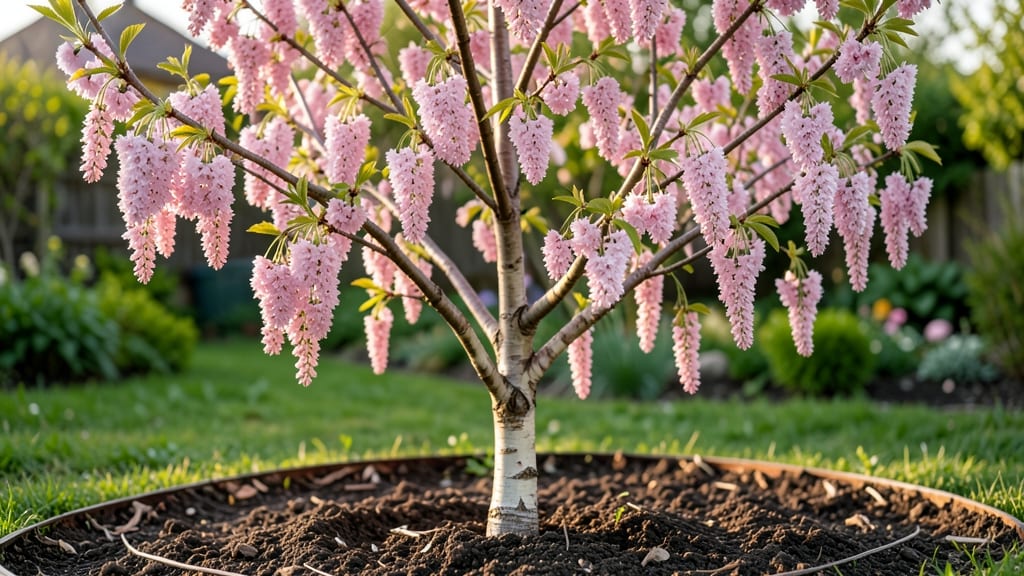
The size of a flowering almond tree determines where it thrives in your garden, and choosing the right variety can mean the difference between a 10-foot ornamental specimen and a towering 20-foot statement piece.
If you’ve ever wondered how tall your flowering almond tree will grow—or how to prune it properly—knowing the exact mature height range by variety is your first step to success.
These stunning trees can reach anywhere from 15 to 30 feet, but their size varies dramatically depending on the cultivar, and pruning them correctly ensures they thrive for decades.
For gardeners in Zone 6a, where spring blooms like these are a highlight, selecting the right size matters. A dwarf variety might fit a small yard, while a standard tree needs space to spread its branches and fragrance.
Below, we break down how height, spread, and growth habits impact placement, pruning needs, and even container gardening.
Discover how to match your landscape to the perfect flowering almond size, from spacing requirements to sunlight and soil tips that keep it blooming for years.

Flowering almond tree size by variety: mature height and spread guide
Choosing the right flowering almond variety depends entirely on your space and vision. Some varieties like Prunus triloba grow into graceful, multi-stemmed shrubs reaching 15-20 feet tall, while others like Prunus glandulosa stay compact at 6-10 feet.
Understanding these size differences ensures your tree thrives without overwhelming your landscape. For example, the Royal Almond cultivar can reach 25 feet if unpruned, making it ideal for large gardens or as a specimen tree.
Your garden's layout should guide your selection—small courtyards benefit from dwarf varieties, while expansive properties can accommodate larger, more dramatic specimens. The spread of these trees also varies significantly, with some varieties developing a 15-foot canopy while others remain under 8 feet wide.
Always account for both height and spread when planning your planting location to avoid future overcrowding issues.
| Variety | Mature Height | Spread | Growth Habit | Best For |
|---|---|---|---|---|
| Prunus triloba (Fringe Flowering Almond) | 15-20 ft | 10-15 ft | Multi-stemmed shrub or small tree | Large gardens, specimen planting |
| Prunus glandulosa (Dwarf Flowering Almond) | 6-10 ft | 6-8 ft | Compact, rounded shrub | Small yards, containers, bonsai |
| Prunus dulcis (Sweet Almond, less common for flowers) | 20-30 ft | 15-25 ft | Fast-growing, upright tree | Rural properties, large landscapes |
| Royal Almond (Prunus triloba 'Royal') | 20-25 ft | 12-18 ft | Vigorous, upright growth | Specimen tree, focal point |
| Snow Fountain (Prunus glandulosa 'Snow Fountain') | 4-6 ft | 4-6 ft | Weeping branches, cascading habit | Small spaces, containers, patios |
If you're working with limited space, Prunus glandulosa varieties like 'Snow Fountain' are perfect choices, offering stunning blooms without the bulk. These dwarf varieties thrive in containers, making them ideal for patios or balconies.
Just ensure your container is at least 18 inches deep and 24 inches wide to accommodate their root system.
For those with ample yard space, Prunus triloba varieties like 'Royal Almond' deliver dramatic height and spread, creating a stunning focal point. These trees develop a wide, rounded canopy that casts beautiful shade in summer while providing early spring color.
Plant them at least 15 feet away from structures or other trees to allow for proper airflow and sunlight penetration.
Climate also plays a role in size management—cooler regions may see slightly slower growth, while warmer climates can accelerate height increases. Always check your USDA hardiness zone (typically 5-8 for flowering almonds) to ensure your selected variety will thrive.
In Zone 6, for example, Prunus triloba reaches maturity faster than in colder zones.
Regular pruning is essential for controlling size, especially in younger trees. Prune late winter or early spring before new growth begins to shape the tree and encourage abundant flowering.
Remove dead or crossing branches first, then thin out interior growth to improve airflow. For dwarf varieties, light pruning after flowering helps maintain their compact form.
Remember that root spread often equals or exceeds the tree's canopy width, so plan accordingly. Digging a hole twice as wide as the root ball and amending the soil with compost creates an ideal planting environment.
Mulch around the base with 2-3 inches of organic mulch to retain moisture and regulate soil temperature.
Whether you choose a tall, dramatic specimen or a compact container-friendly variety, understanding your flowering almond's mature size ensures it becomes a cherished part of your landscape for years to come. 🌸
How to prune flowering almond trees by size and growth stage
Pruning your flowering almond tree isn't just about shaping its branches—it's about ensuring healthy blooms and preventing disease. The right approach depends entirely on your tree's current size and growth stage.
A young sapling under 5 feet needs gentle shaping, while a mature specimen over 20 feet requires strategic cuts to maintain structural integrity. Let's break down the steps for each stage to keep your tree thriving.
Timing is everything when pruning flowering almonds. The best time to prune is late winter or early spring, just before buds swell but before flowers appear. This timing promotes vigorous growth and ensures you don’t accidentally remove next year’s blooms.
Avoid pruning in fall or summer, as this can stimulate weak growth that’s more susceptible to pests and disease. Always use sterilized pruning tools to prevent spreading infections.
Step-by-Step Pruning Guide by Flowering Almond Size
- Young Saplings (Under 5 ft): Focus on removing dead or crossing branches to encourage an open center. Trim back any suckers or water sprouts to redirect energy to the main trunk and scaffold branches. Use hand pruners for precision cuts just above a bud or branch collar.
- Mature Trees (10–20 ft): Prioritize structural pruning to maintain a balanced shape. Remove weak or diseased wood first, then thin out crowded branches to improve airflow. Limit cuts to no more than 25% of the canopy per year to avoid stress.
- Large Specimens (20+ ft): Use extension pruners or a pole saw to reach higher branches. Focus on raising the canopy by removing lower branches that block sunlight or create hazards. Avoid over-pruning—remove only 10–15% of the canopy annually to preserve health.
- All Sizes: Post-Pruning Care: Apply wound dressing (optional) to larger cuts over 1 inch in diameter. Water deeply after pruning to help the tree recover. Monitor for signs of stress like wilting or yellowing leaves, which may indicate over-pruning.
For young saplings, I recommend a light touch—focus on shaping rather than heavy pruning. Remove any branches growing inward or downward, as these compete with the main structure.
If your sapling has multiple trunks, thin it to one or two strong leaders to avoid a weak, multi-stemmed tree. This early investment in structure pays off as the tree matures, reducing the need for aggressive pruning later.
When your flowering almond reaches mature size (10–20 ft), shift your focus to renewal pruning. This involves removing older branches to stimulate new growth and maintain a youthful appearance. Look for branches that are thicker than a pencil—these are ideal candidates for renewal cuts.
Always make cuts at a 45-degree angle just outside the branch collar to promote faster healing. This method keeps your tree looking vibrant and encourages abundant blooms.
Large flowering almonds over 20 feet tall require a more strategic approach to avoid stress. Start by thinning the canopy from the top down to reduce wind resistance and prevent storm damage. Remove any branches that are dead, diseased, or rubbing against each other.
If you’re dealing with a very tall tree, consider hiring a professional arborist for high branches—safety is paramount when working at this height. Regular pruning at this stage helps maintain the tree’s long-term health and ensures it remains a stunning focal point in your landscape.
Remember, consistency is key when pruning flowering almonds. Avoid the temptation to over-prune in one session, as this can shock the tree and reduce its ability to bloom. Spread pruning tasks over 2–3 sessions if needed, especially for larger trees.
With the right approach, your flowering almond will reward you with years of fragrant blooms and a well-maintained structure that enhances your garden’s beauty. ✂️🌸🌳