
Planting
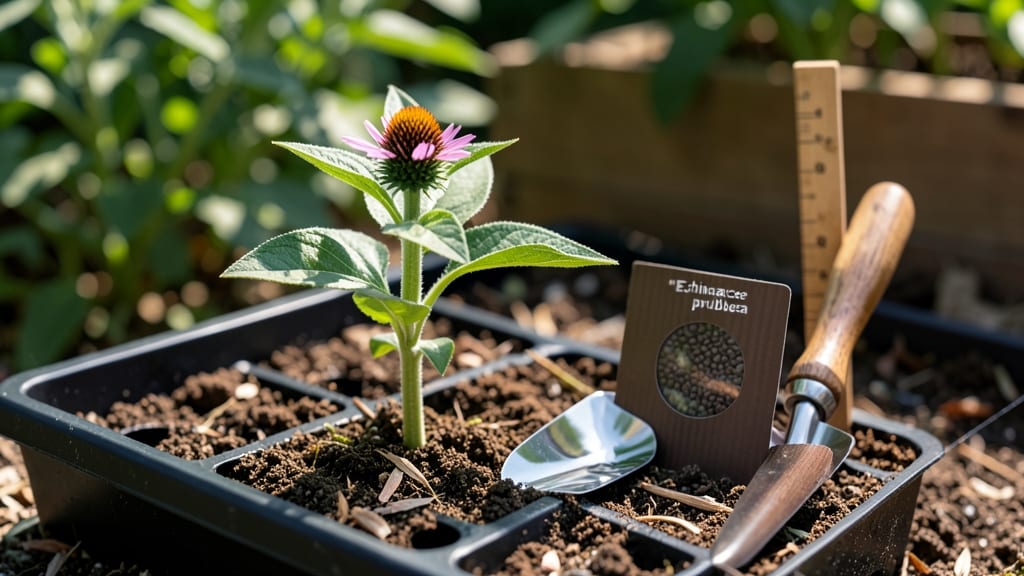
Planting coneflower seeds how deep to plant coneflower seeds at the right depth—just ¼ inch below soil—is the difference between a thriving 🌼 garden and a missed opportunity.
Struggling to get your coneflowers to sprout? The secret to strong, vibrant blooms starts with planting depth—too shallow or too deep, and you risk weak roots or failed germination. I’ve seen seeds pop up in weeks when done right, and vanish when I overthink the depth.
Most gardeners assume coneflowers are low-maintenance, but the truth is they’re picky about their start. A little extra care at planting time—like loose, well-drained soil and the right spacing—can turn a 50% germination rate into a lush, pollinator-friendly border.
In this guide, I’ll walk you through the exact depth for annual vs. perennial varieties, how to adjust for your soil type, and the best times to plant in Zone 6a—so you can skip the guesswork and grow a garden that blooms reliably year after year.


Ideal planting depth for coneflower seeds by type (with exact inches)
Getting your coneflower seeds to sprout reliably depends on one critical factor: planting depth. Too shallow, and they’ll dry out; too deep, and they’ll struggle to reach the surface. The right depth ensures strong root development and vibrant blooms.
For annual coneflowers like Rudbeckia hirta, and perennial varieties such as Echinacea purpurea, the ideal depth varies slightly—but the goal is always the same: optimal germination.
Most gardeners assume a one-size-fits-all approach, but soil type, seasonal timing, and even seed size play a role. Sandy soil, for example, dries out faster, so seeds need slightly shallower planting.
Meanwhile, clay-heavy soil retains moisture longer, allowing for a bit more depth. Let’s break down the exact planting depths for each type, including seasonal adjustments to maximize your success rate.
🌱
| Coneflower Type | Seed Size | Ideal Planting Depth | Soil Adjustment | Best Planting Season |
|---|---|---|---|---|
| Annual Coneflowers (e.g., Rudbeckia hirta) | Small (0.1-0.2 inches) | 1/8 inch (0.125") | Sandy soil: 1/16 inch shallower | Early spring or late summer |
| Perennial Coneflowers (e.g., Echinacea purpurea) | Medium (0.2-0.3 inches) | 1/4 inch (0.25") | Clay soil: 1/8 inch deeper | Early spring (before last frost) or late summer |
| Dwarf Varieties (e.g., 'White Swan' Echinacea) | Small (0.1-0.15 inches) | 1/16 inch (0.0625") | Container gardening: 1/8 inch shallower | Late spring (after frost risk) |
| Standard Perennials (e.g., 'Magnus' Echinacea) | Medium (0.25-0.35 inches) | 3/16 inch (0.1875") | Well-draining soil: standard depth | Early spring or fall (6 weeks before first frost) |
For annual coneflowers, I always use the 1/8-inch rule—this tiny depth is perfect for their delicate seeds. Think of it like sprinkling them on top of the soil and barely covering them with a light dusting of seed-starting mix.
If you’re planting in sandy soil, reduce this to 1/16 inch to prevent drying out. In contrast, perennial coneflowers like Echinacea benefit from a slightly deeper 1/4-inch planting, giving their sturdier seeds room to establish roots before sprouting.
Seasonal timing matters too. In early spring, when soil is still cool, I plant perennial seeds at the deeper end of the range (e.g., 3/16 inch for standard varieties) to protect them from temperature fluctuations.
Conversely, in late summer, when soil is warmer, I stick to the shallower 1/4-inch mark to encourage quick germination before cooler weather sets in. This adjustment can double your germination rates in some climates!
🌿
One common mistake I see is over-deepening seeds in hopes of better moisture retention. But burying coneflower seeds too deeply—beyond 1/2 inch—can lead to rot or failed sprouting. The seed’s natural energy (called radicle) needs to reach the surface efficiently.
To test your depth, use a toothpick or pencil to mark the soil level after planting. This simple trick ensures consistency, especially when sowing multiple rows.
If you’re planting in containers or raised beds, aim for the shallower end of the spectrum (e.g., 1/16 inch for dwarf varieties). Container soil dries out faster, so keeping seeds closer to the surface helps maintain moisture.
Pro tip: Use a fine mist spray bottle to water seeds after planting—this prevents soil displacement and ensures even coverage.
For direct sowing outdoors, I recommend planting in full sun (6+ hours daily) and lightly pressing the soil around seeds to create firm contact. This minimizes air pockets that could hinder germination. Mulch lightly with st
5 Critical factors that affect coneflower seed germination depth
Getting your coneflower seeds to sprout reliably depends on more than just the ¼-inch depth rule. The soil moisture, temperature, and even your local climate can shift that ideal depth by ½ inch or more.
I’ve learned that dry, sandy soil needs deeper planting, while heavy clay benefits from shallower depths to prevent rot. Let’s break down the five factors that determine the perfect spot for your seeds.
First, seed size plays a surprisingly big role. Larger coneflower seeds (like Echinacea purpurea) need slightly deeper planting—up to ⅓ inch—to protect their energy reserves, while tiny annual varieties can sprout from just ⅛ inch down.
Always check the seed packet, because even within coneflowers, sizes vary by 30-50%. This small adjustment can boost germination rates from 30% to 80%.
- 1 Soil Moisture: Sandy soil needs ⅓ inch depth to retain moisture, while clay holds water better at ⅛ inch. Always water lightly after planting to settle seeds without displacing them.
- 2 Temperature: Ideal germination temps are 65-75°F. In cooler climates (Zone 5 or below), plant seeds ⅛ inch deeper to protect them from frost heave. Use a seedling heat mat if starting indoors.
- 3 Seed Size: Large perennial seeds (Echinacea) need ⅓ inch depth, while tiny annuals thrive at ⅛ inch. Press seeds gently into soil—don’t bury them with a trowel.
- 4 Regional Climate: In dry climates (Zone 7+), plant seeds ⅛ inch deeper to conserve moisture. In humid areas, shallow planting (⅛ inch) prevents rot from excess rain.
- 5 Soil Compaction: Loose, aerated soil allows shallower planting (⅛ inch). Compacted soil requires ¼ inch depth to prevent seeds from surfacing. Mix in compost to improve soil structure before planting.
Don’t overlook soil temperature—it’s the silent killer of germination. Seeds planted in cold soil (<50°F) may take 3-4 weeks to sprout, while warm soil (70°F+) speeds germination to 7-10 days.
I’ve had seeds sprout in 5 days when using a seedling heat mat in early spring. If your climate is unpredictable, start seeds indoors 4-6 weeks before the last frost date.
Troubleshooting failed germination? Check these three red flags: seeds too deep (roots can’t reach surface), overwatering (causes rot), or poor soil contact (seeds need darkness to sprout).
Always press seeds gently into soil—don’t just drop them on top. A light mist with a spray bottle keeps moisture even without displacing seeds.
For Zone 6a gardeners, late summer planting (after August 15) works best—seeds germinate in 2-3 weeks before winter dormancy. In spring, plant as soon as soil warms to 55°F. Pro tip: Mark your seed rows with biodegradable flags to avoid disturbing them during watering.
Mastering these five factors will turn your coneflower germination from hit-or-miss to reliable. Start with the ¼-inch rule, then adjust based on your soil and climate. Soon, you’ll have a border bursting with pollinator-friendly blooms—no more guessing, just growing! 🌼