
How To
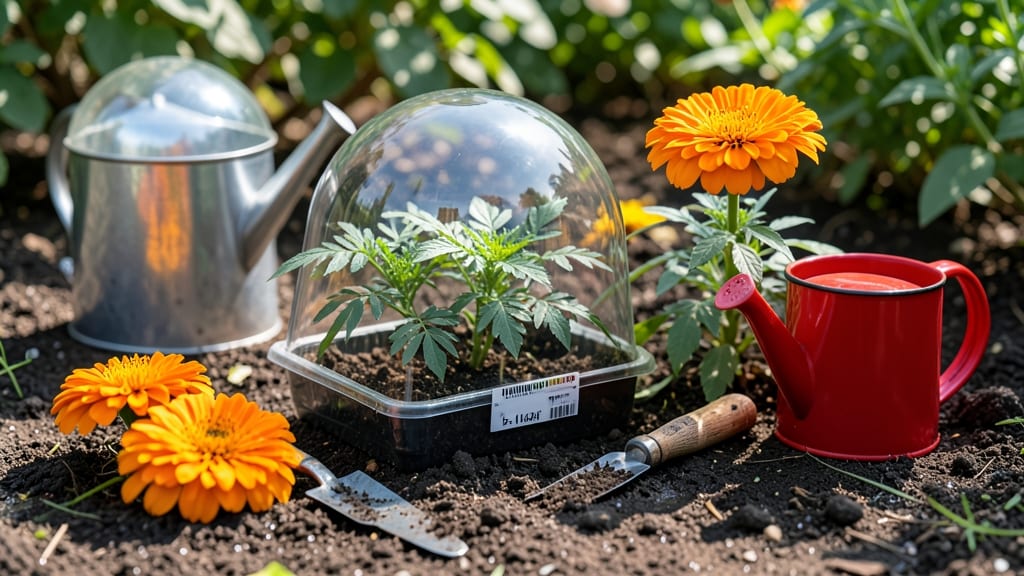
How long do flower seeds take to grow? They can sprout anywhere from 3 days to 6 weeks, depending on the type and conditions—but knowing the right timeline helps you avoid frustration and plan your garden like a pro.
Picture this: You plant your 🌸 bright marigolds in early spring, eager for summer color, only to stare at empty soil for weeks. That’s the reality for slow starters like foxgloves, which can take up to 4 weeks just to crack the surface.
Meanwhile, fast growers like zinnias pop up in 5-7 days if you’ve got the soil and warmth right.
The real secret? Germination speed depends on three things: soil temperature (too cold? Sprouts stall), moisture (dry soil = delayed starts), and the seed type (annuals vs. perennials). Get these right, and you’ll see those first green shoots in record time—no waiting around for a garden that never arrives.
In this guide, I’ll break down the 3 key stages of flower growth, from sprout to bloom, plus how to troubleshoot delays and pick the fastest varieties for your Zone 6a garden. Ready to turn those seeds into color?

Flower seed germination timeline: how long until sprouts appear?
If you've ever wondered, "how long do flower seeds take to grow," you're not alone. The answer varies dramatically—some seeds sprout in 3-7 days, while others may take 2-4 weeks or even longer.
Understanding these differences helps you set realistic expectations and troubleshoot delays. For example, marigolds often appear in 5-10 days, while lavender might take 21-30 days to crack the soil surface.
Germination speed depends on three key factors: seed type, soil temperature, and moisture consistency. Annuals like zinnias typically germinate faster than perennials such as black-eyed Susans, which may require stratification or colder soil to break dormancy.
Even within the same species, fresh seeds often sprout quicker than older ones stored for multiple years.
To accelerate germination, maintain consistent moisture (never soggy) and aim for ideal soil temperatures. Most flower seeds thrive between 60-75°F, but cool-season varieties like snapdragons prefer 55-65°F. Using a seedling heat mat can shave days off germination time for slower starters like foxglove or delphinium.
🌱 Did You Know? Some seeds, like larkspur, have hard seed coats that require scarification (lightly nicking the seed) to speed up germination. Others, such as poppies, need light exposure to trigger sprouting—planting them too deeply can delay emergence by weeks.
- Marigolds
- Zinnias
- Cosmos
- Sunflowers
- Petunias
- Snapdragons
- Lobelia
- Keep soil moist (not soggy)
- Lavender
- Foxglove
- Delphinium
- Use heat mat or cold stratification
For annual flowers, germination speed often correlates with bloom time. Fast-sprouting seeds like cosmos or sunflowers reward patience with vibrant blooms in as little as 6-8 weeks from seed.
Meanwhile, perennial seeds such as coneflowers or black-eyed Susans may take 30-60 days just to germinate, but they’ll return year after year with minimal effort.
If your seeds aren’t sprouting within 2-3 times the expected germination window, check for moisture issues or temperature fluctuations. Place a moisture meter in the soil to ensure it’s not drying out too quickly.
For stubborn seeds, try soaking them overnight before replanting—this can soften hard coats and encourage faster growth.
Light exposure also plays a role. Many tiny seeds, like larkspur or snapdragons, need light to germinate. Plant them no deeper than 2x their diameter and use a clear plastic dome or row cover to retain moisture and warmth until sprouts appear.
Once seedlings emerge, remove the cover gradually to prevent damping off, a fungal disease that attacks tender young plants.
Pro tip: Label your seed trays with the planting date and expected germination time. This helps you track progress and adjust care.
For example, if zinnias haven’t sprouted in 14 days, they may need warmer soil or a light misting of hydrogen peroxide (1 tsp per cup of water) to stimulate growth.
Remember, patience is key—some seeds lie dormant for months before sprouting, especially if they’re wildflower mixes or native species. If you’re eager for faster results, consider starting with fast-germinating annual
Growth stages to bloom: how long until flowers actually open?
Once your flower seeds finally sprout, the real waiting game begins—how long until those buds burst into color? The answer depends on the plant type, but most flowers follow 3 distinct growth stages before blooming.
Fast growers like marigolds can go from sprout to flower in just 6-8 weeks, while slower varieties like foxgloves may take 10-12 weeks or more.
Understanding these stages helps you set realistic expectations and spot red flags early. For example, if your petunias aren’t forming buds by 8 weeks, it might signal a nutrient deficiency or poor light conditions.
Meanwhile, sunflowers can shoot up to 6 feet tall in just 8-10 weeks, making them a great choice for impatient gardeners.
- 1 Seedling Stage (Weeks 1-3): Tiny leaves appear, and the plant focuses on root and stem growth. Petunias and zinnias may show 2-4 true leaves by Week 3.
- 2 Vegetative Stage (Weeks 4-6): Leaves thicken, and stems harden. Sunflowers may reach 1-2 feet tall, while dahlias develop tubers underground.
- 3 Bud Formation (Weeks 7-10+): Flower buds form at stem tips. Petunias bloom in 8-10 weeks, while foxgloves may take 12+ weeks to open.
- 4 Blooming Stage (Weeks 10-14): Flowers fully open. Sunflowers may bloom in 10-12 weeks, while hollyhocks take 14+ weeks for their first flowers.
During the seedling stage, focus on keeping soil moist but not soggy—overwatering can cause damping off, a fungal disease that kills young plants. Use a seedling heat mat if your Zone 6a spring nights are still chilly (50°F or below).
Once plants develop 2-3 true leaves, they’re ready for thinning or transplanting.
The vegetative stage is where your flowers really start to grow. This is the perfect time to fertilize lightly with a balanced 5-10-10 mix to encourage strong stems. If your plants look leggy or pale, they’re likely not getting enough sunlight.
Move them to a sunnier spot or supplement with a grow light for 12-14 hours daily.
When buds form, your flowers are almost ready to bloom! However, overcrowding can delay flowering. If your petunias or geraniums are packed too closely, prune back some leaves to improve airflow. Deadhead spent blooms regularly to encourage continuous flowering throughout the season.
For perennials like coneflowers, this stage can last longer—sometimes up to 16 weeks—so patience is key!
Finally, when those first blooms appear, celebrate—but don’t stop there! Most flowers benefit from ongoing care to prolong their blooming season. Water at the base in the morning to keep petals dry and prevent powdery mildew.
And if your sunflowers or dahlias are looking tired by late summer, a light feeding of phosphorus-rich fertilizer can trigger a second round of blooms.