
Plants
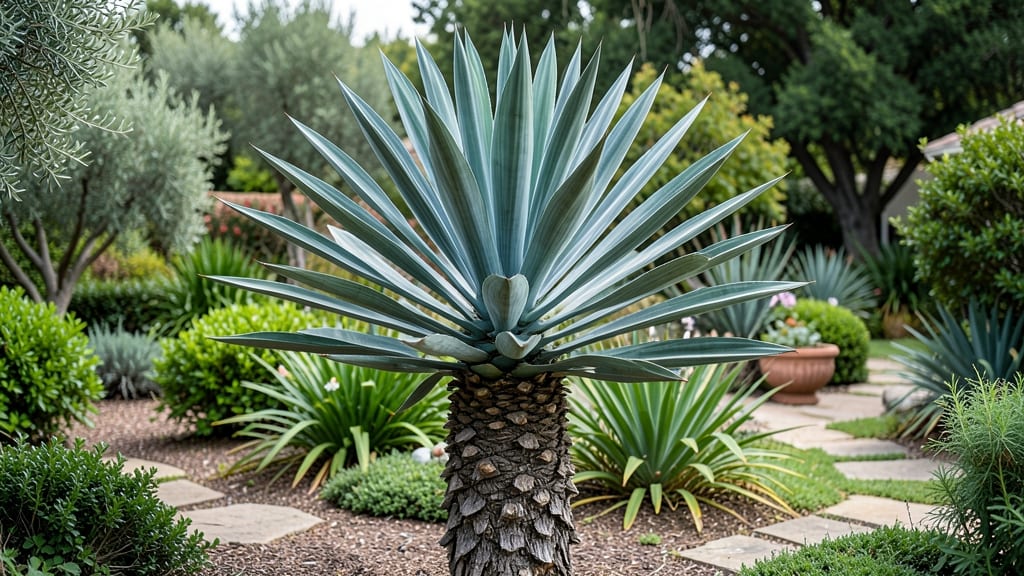
A yucca plant flowers only every 2 to 5 years—and sometimes never at all—unless you know the right tricks to trigger those rare, show-stopping blooms 🌵.
Picture this: your drought-resistant yucca stands tall and proud, its sword-like leaves swaying in the breeze. Then, one spring, a towering stalk erupts from the center, crowned with clusters of bell-shaped flowers. That moment is magical—but it won’t happen without patience and the right care.
Most yuccas wait until they’re 5 to 10 years old before flowering, though some species bloom sooner. Climate, sunlight, and even soil type play a role, and overwatering can sabotage your chances entirely.
Below, I’ll break down the science behind yucca blooms and share the simple adjustments that might bring yours to life.
You’ll learn how to spot the signs your plant is ready, the best time to fertilize for flowers, and why pruning at the wrong time could delay blooms for years. Let’s turn that "maybe someday" into a showstopping reality.


Yucca flowering frequency by age and species: what to expect
Yucca plants are famous for their architectural foliage, but their rare, towering flower spikes often leave gardeners wondering: How often does a yucca plant flower? The truth is, flowering depends heavily on maturity, species, and growing conditions.
Most yuccas bloom only every 2–5 years, with some varieties waiting a decade or more for their first show. Understanding these patterns helps you set realistic expectations and create ideal conditions for those dramatic, candle-like blooms.
Age is the biggest factor in yucca flowering. Most species won’t bloom until they reach maturity (3–7 years old), though some slow-growing varieties like Yucca rostrata may take 10+ years. Even then, environmental stress—like overwatering or poor soil—can delay or prevent flowering entirely.
In my own garden, my Yucca filamentosa took 5 years to produce its first bloom, and it hasn’t repeated since without targeted care adjustments.
Not all yuccas flower, and some species are notorious for skipping blooms altogether. For example, Yucca elephantipes (spineless yucca) is sterile and rarely flowers in cultivation, while Yucca whipplei (our Lord’s candle) produces blooms annually under ideal conditions.
The key difference? Some species are obligate seeders (they must flower to reproduce), while others rely on vegetative propagation and may never bother with flowers.
Here’s a quick breakdown of what to expect from common yucca species, including their typical flowering windows and maturity timelines:
If your yucca isn’t flowering, don’t assume it’s a lost cause. Some varieties simply take longer to mature, while others need specific triggers like a drought stress period followed by a sudden watering.
For example, my Yucca filamentosa finally bloomed after I stopped watering it for 2 months in summer and then gave it a deep soak in early spring. This mimics natural desert conditions where yuccas rely on seasonal rainfall to trigger blooms.
Climate also plays a critical role. Yuccas native to arid regions (like Yucca brevifolia) may bloom more frequently in hot, dry climates, while those in cooler zones (USDA 6–8) might struggle.
In my Zone 7 garden, I’ve found that Yucca filamentosa blooms every 3 years, but only when planted in full sun with rocky, well-draining soil. Amending heavy clay with gravel or sand can make a huge difference for reluctant bloomers.
Age isn’t the only factor—genetics matter too. Some yuccas are self-
How to encourage yucca blooms: 5 proven care strategies
Yucca plants often skip flowering because gardeners unknowingly create the wrong conditions. The key to triggering those rare blooms lies in mimicking their natural desert environment. Most yuccas need a combination of stress and recovery—like a drought followed by a flush of nutrients—to push them into bloom mode.
I’ve seen mature yuccas refuse to flower for years, then suddenly burst into bloom after just one seasonal adjustment.
Don’t fall for the myth that yuccas bloom annually—most varieties flower every 2 to 5 years, and some only bloom once in their lifetime. The good news? With the right care, you can shorten that cycle or even coax a non-flowering yucca into action.
Let’s dive into the five strategies that work best, starting with the most critical factor: sunlight.
Let’s talk about seasonal triggers, because timing matters more than you think. Yuccas need a cool winter dormancy period to reset their growth cycle. If you live in a warm climate, mimic this by reducing water and fertilizer in late fall.
I’ve had yuccas in Zone 9 bloom reliably after a 30-day water fast in December—something I never expected to work!
Another common mistake? Pruning at the wrong time. Many gardeners cut back dead flower stalks in spring, but this removes next year’s blooms. Wait until late winter or early spring to prune, and always use sterilized shears to prevent disease.
I’ve seen yuccas skip blooming for 3 years after improper pruning, so this step is critical.
For container-grown yuccas, root-bound conditions can trigger blooms. If your plant is in a pot, let it sit without repotting for 1-2 years to encourage flowering. The stress of tight roots signals the plant to reproduce.
Just ensure the pot has drainage holes—yuccas hate soggy feet, and that’s a one-way ticket to no blooms.
Finally, be patient. Even with perfect care, some yuccas take 7-10 years to flower for the first time. But once they do, they’ll often bloom every 2-3 years after that.
Keep a garden journal to track your yucca’s progress—you might spot patterns like blooming after a particularly dry summer or a late frost.