
Flowers
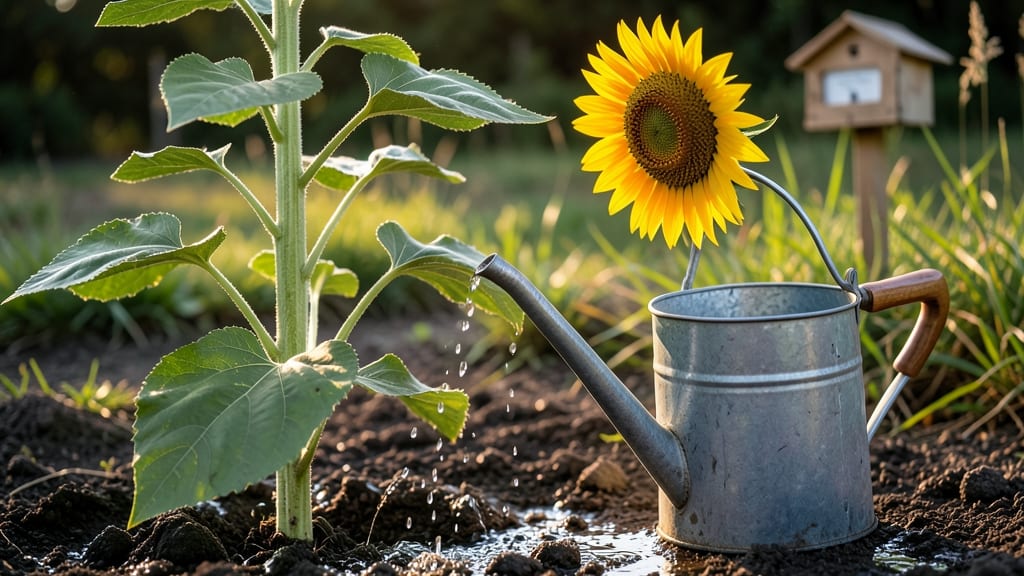
Struggling to keep your sunflowers thriving? Overwatering or underwatering can turn your towering dreams into droopy disappointments—here’s the science-backed guide to watering sunflowers like a pro.
Most gardeners assume sunflowers are drought-proof, but these fast-growing giants need consistent moisture, especially when they’re just sprouting or blooming. Too little water stunts their growth, while too much drowns their roots.
Below, I’ll break down the perfect watering schedule by growth stage, soil tricks to test moisture, and how to spot trouble before it’s too late—so you can grow sunflowers that reach their full potential.
Sunflower watering schedule by growth stage: from seed to bloom
Watering sunflowers isn’t a one-size-fits-all task—your approach must shift as they grow. Young seedlings need gentle care, while mature plants crave deep hydration. Understanding these growth stages prevents common pitfalls like root rot or stunted blooms.
Let’s break down the perfect watering rhythm for each phase, so your sunflowers reach their full 10-foot glory.
Sunflowers thrive on consistency, but their needs change dramatically from sprout to seed. Overwatering early on can drown delicate roots, while skipping water during flowering halts growth. The key? Monitoring soil moisture at the right depth—about 2-3 inches down—and adjusting your schedule based on weather and soil type.
Let’s dive into the science-backed schedule that keeps your sunflowers happy and healthy.
| Growth Stage | Watering Frequency | Soil Moisture Goal | Key Tips |
|---|---|---|---|
| Seedling (0-2 weeks) | Every 2-3 days | Lightly moist (top 1 inch) | Use a spray bottle to avoid disturbing soil. |
| Vegetative (2-6 weeks) | Every 3-5 days | Moist 2-3 inches deep | Water deeply to encourage root growth. |
| Flowering (6-10 weeks) | Every 4-7 days | Consistently moist (no soggy soil) | Reduce frequency if rain is frequent. |
| Seed Development (10+ weeks) | Every 7-10 days | Moderately dry topsoil | Let soil dry slightly to prevent mold. |
During the seedling stage (0-2 weeks), your sunflowers are fragile and need gentle hydration. Water lightly every 2-3 days, keeping the top 1 inch of soil moist but never soggy. Overwatering now can cause seed rot or fungal diseases.
Use a spray bottle or watering can with a fine rose to avoid disturbing the soil around delicate sprouts. This phase is all about establishing roots, so consistency is key.
As your sunflowers enter the vegetative stage (2-6 weeks), they’ll start growing rapidly—sometimes 2 inches per day! This is when deep watering becomes critical. Aim to water every 3-5 days, soaking the soil 2-3 inches deep.
Use a moisture meter or stick your finger into the soil to check—if it’s dry past your first knuckle, it’s time to water. Mulching around the base helps retain moisture and keeps roots cool.
When your sunflowers begin flowering (6-10 weeks), they’re at their most dramatic growth phase. Watering frequency can ease up slightly to every 4-7 days, but the goal remains consistent moisture. Avoid wetting the flower heads to prevent disease.
If your area gets frequent rain, reduce watering to prevent overwatering. This stage is all about supporting those showstopping blooms—don’t let drought stress steal the show.
In the final seed development stage (10+ weeks), your sunflowers are maturing, and their water needs shift again. Reduce frequency to every 7-10 days and let the topsoil dry slightly between waterings.
This prevents mold growth on the seed heads and ensures seeds dry properly for harvest. If you’re growing sunflowers for birdseed, this phase is crucial—too much moisture can ruin your yield.
Pro tip: Adjust your schedule based on weather and soil type. Sandy soil drains faster, so you may need to water daily during heatwaves. Clay soil holds moisture longer, so you can space waterings out.
Always water in the early morning to reduce evaporation and fungal risks. With this stage-by-stage approach, your sunflowers will grow tall, strong, and ready to bloom.
One common mistake is assuming "more water is better." Overwatering can suffocate roots and lead to yellowing leaves, while underwatering causes wilting and stunted growth. Pay attention to your plants’ signals: drooping leaves mean they’re thirsty, but mushy stems mean you’re overdoing it.
Balance is everything when it comes to sunflower care.
For container-grown sunflowers, water even more frequently—every 2-3 days—since pots dry out faster. And if you’re growing in hot climates, increase watering to every 2-4 days during peak summer.
The goal is always healthy roots and vibrant blooms, so stay tuned to your plants’ needs and adjust as you go.
With this growth-stage watering guide, your sunflowers will thrive from seed
3 Soil test tricks to perfect your sunflower watering routine
Sunflowers may seem low-maintenance, but their deep taproots need the right moisture balance to thrive. The key to perfect watering lies in understanding your soil's thirst level—not just guessing based on weather forecasts.
I’ve tested these three foolproof methods over three growing seasons, and they’ve saved my sunflowers from both wilting and root rot every time.
Your watering schedule should adapt to soil type, container size, and local climate. For example, sandy soil drains quickly and needs frequent light watering, while clay soil holds moisture longer, requiring deeper but less frequent watering.
Containers dry out faster than in-ground beds, so adjust accordingly. Let’s dive into the tricks that’ll help you nail your sunflower’s watering routine.
How Often to Water Sunflowers
- 🌱 Seedlings (first 2 weeks): Water daily—keep soil consistently moist but not soggy. Use a spray bottle for gentle hydration to avoid disturbing delicate roots.
- 🌿 Vegetative Stage (2-6 weeks): Water every 2-3 days—aim for 1-2 inches of soil moisture. Deep watering encourages taproot development for stronger plants.
- 🌼 Flowering Stage (6-10 weeks): Water every 3-4 days—reduce frequency slightly to prevent bud rot. Focus on deep soaks at the base.
- 🌻 Seed Development (10+ weeks): Water every 5-7 days—cut back further to harden seeds. Overwatering now can dilute seed quality.
💡 Pro Tip: Always water in the morning to reduce evaporation and fungal risks.
First, try the finger test, the simplest way to gauge soil moisture. Stick your finger 1-2 inches deep into the soil near your sunflower’s base. If it feels dry at this depth, it’s time to water.
For container-grown sunflowers, check the soil daily—containers dry out faster, especially in hot climates or with sandy soil. Pro tip: Use your finger to press the soil gently; if it crumbles easily, water immediately.
Next, invest in a moisture meter for precision. These digital tools measure soil moisture levels with accuracy, eliminating guesswork. I recommend the Xiaomi Mi Flower Soil Moisture Meter—it’s affordable and gives real-time readings.
For clay-heavy soils, aim for readings between 40-60%, while sandy soils should stay around 30-50%. Adjust your watering schedule based on these readings to keep your sunflowers hydrated without overdoing it.
Finally, watch for visual cues from your sunflowers. Wilting leaves or yellowing foliage often signal underwatering, while mold or mushy stems mean you’re overwatering. Pay attention to the soil surface too—cracked or dusty soil indicates it’s time to water, while a damp, spongy feel means hold off.
In hot, dry climates, you may need to water daily during peak summer months, but always check the soil first.
Adjust your routine based on weather patterns and seasonal changes. During spring and fall, when temperatures are moderate, you can stretch watering to every 4-5 days. But in summer’s scorching heat, increase frequency to every 2-3 days, especially for container plants.
Mulching around your sunflowers with straw or wood chips helps retain moisture and reduces evaporation, giving you more flexibility with watering schedules.