
Plants
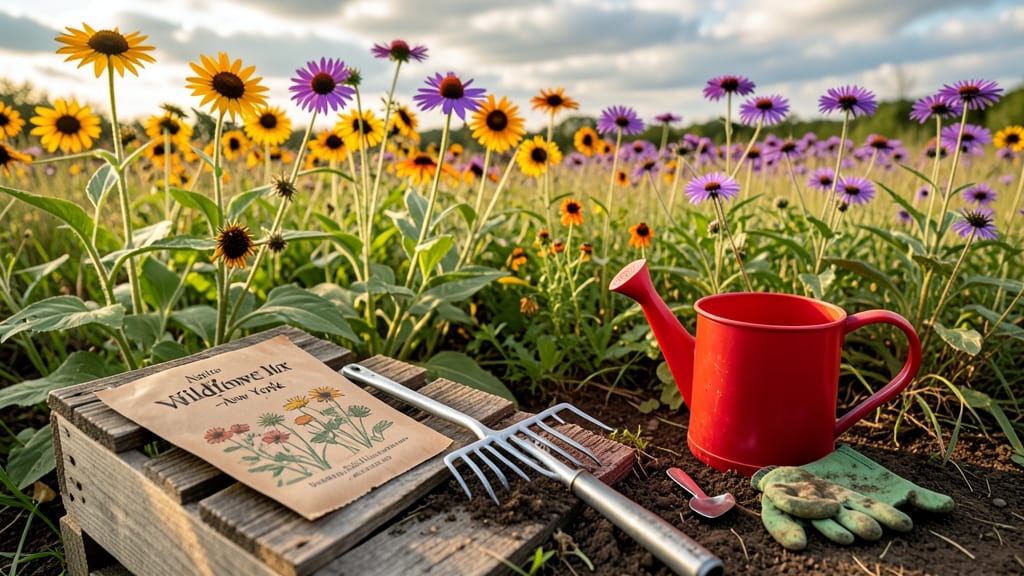
To plant wildflower seeds in New York, aim for early spring or late summer—timing that avoids frost and maximizes germination in zones 5-7.
New York’s diverse microclimates—from the Adirondacks to Long Island—can make wildflower planting a gamble if you don’t time it right. Plant too early, and frost will wipe out your blooms; too late, and invasive weeds steal the show.
Spring planting (March–April) works best for annuals like cosmos 🌼, while fall (September–October) suits perennials like black-eyed Susans. Soil temps above 50°F signal it’s safe to scatter seeds.
Below, I’ll break down the exact windows by region, soil prep secrets, and how to keep weeds at bay—so your meadow thrives from the first bloom.
New York’s wildflower planting calendar by region: frost-free windows explained
New York’s wildflower planting success hinges on understanding your microclimate and frost-free windows. The Adirondacks and Catskills have shorter growing seasons (USDA Zones 4–5), while Long Island and NYC Metro enjoy longer frost-free periods (Zones 6–7).
Even within these regions, elevation and urban heat islands create localized planting windows that can differ by weeks.
For spring planting, aim for when soil temperatures reach 45–50°F—this ensures seeds germinate before hard frosts return. In fall, plant 6–8 weeks before first frost to allow roots to establish.
Perennial wildflowers like Black-Eyed Susan and Goldenrod benefit most from fall sowing, while annuals like Cosmos thrive with spring planting.
Here’s how to align your planting with New York’s regional frost data and soil temperature thresholds for maximum bloom success:
In Upstate New York, where frosts linger longer, prioritize cold-hardy species like Purple Coneflower and Butterfly Weed. These thrive even when soil temperatures hover around 45°F.
For NYC Metro, urban heat islands can extend your spring planting window by 2–3 weeks, but monitor soil moisture—concrete absorbs heat, drying out seeds faster.
On Long Island, take advantage of the longer frost-free season by planting annuals like Zinnias in early spring for summer blooms. For fall planting, aim to finish by early October to avoid early frosts.
In Western NY, where lake-effect snow can delay spring, use row covers to protect early seedlings from late frosts.
Pro tip: Use a soil thermometer to confirm temperatures before planting. Seeds need consistent warmth to germinate—45°F for 7+ days is ideal for most wildflowers. If your soil is below 40°F, wait or use black plastic mulch to warm it faster.
For perennial wildflowers
How to choose wildflower seed mixes for New York’s climate Zones (5-9)
New York’s USDA Zones 5-9 offer diverse growing conditions, from the cool Adirondacks to the hot NYC heat islands. Choosing the right wildflower seed mix ensures vibrant blooms year after year.
Native species like Black-Eyed Susan thrive in Zone 5, while Coreopsis and Purple Coneflower adapt to Zone 7’s warmer summers.
Urban gardens in NYC need drought-resistant mixes like Milkweed and Goldenrod, while rural sites can handle taller perennials such as Joe-Pye Weed. Always opt for region-specific blends to avoid invasive species and support local ecosystems.
Soil type also matters: Sandy soils in Long Island favor low-water mixes, while clay-heavy zones in Upstate benefit from deep-rooted varieties like Bee Balm. Test your soil before planting to match seeds to your site’s conditions.
Here’s a quick guide to the best wildflower mixes for each USDA Zone in New York:
Avoid non-native mixes that can disrupt local ecosystems. Instead, prioritize native species like Wild Bergamot or New England Aster, which require less water and thrive without pesticides. These plants also provide year-round habitat for pollinators.
For urban sites, choose compact mixes with short stature (under 2 feet) to avoid overcrowding. In rural areas, taller varieties like Joe-Pye Weed (up to 6 feet) create stunning meadows. Always check seed packets for light requirements—most wildflowers need full sun for best results.
Pro tip: Mix annuals (like Zinnias) with perennials (like Coneflowers) for continuous color from spring to fall. This combo ensures your garden stays lively even if some species fade mid-season.