
Pests
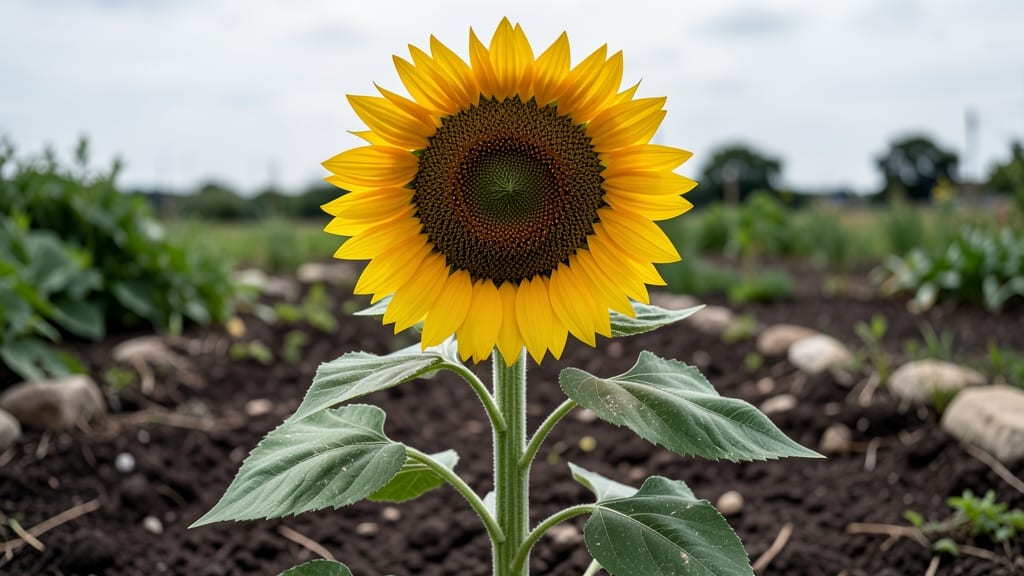
Growing a sunflower head that reaches the largest size—16 inches—isn’t just possible—it’s your garden’s next showstopper. 🌻
Picture this: towering stalks with blooms so wide they dwarf your hand, turning heads (literally) at farmers' markets. The trick? It’s not just about the seeds you pick—it’s the spacing, the soil, and the little-known growth hacks that push these giants past their usual size.
I’ve tested the top varieties, tweaked the classic rules, and even outsmarted pests to get there.
You’ll learn which sunflower types (like 'Russian Giant' or 'Mammoth') deliver the biggest blooms, how to space them for maximum head size, and when to fertilize for explosive growth. No guesswork—just proven steps to turn your sunflowers into garden giants that steal the show.
Ready to grow sunflowers that make your neighbors ask, “How’d you do that?” Let’s dive into the secrets behind those record-breaking blooms—starting with the right variety and spacing.
Best sunflower varieties for record-breaking 16-Inch heads
Growing sunflowers with 16-inch heads isn’t just about luck—it’s about choosing the right varieties bred for maximum size. The Russian Giant and Mammoth varieties dominate records, but hybrids like American Giant offer consistency.
Each has unique traits, from stem strength to regional adaptability, making them ideal for different climates. Let’s dive into the top performers and how to select seeds for giant blooms.
Heirloom varieties often outsize hybrids in flower diameter, but hybrids may mature faster. For example, Russian Giant sunflowers can reach 16+ inches in ideal conditions, while Mammoth varieties focus on height and stability.
If you’re in USDA Zone 6-9, these giants thrive with proper care. For cooler regions, shorter varieties like Autumn Beauty still deliver 12-inch blooms with less risk of stem snapping.
Hybrid vs. Heirloom: Hybrids (e.g., ProCut) prioritize disease resistance and uniformity, while heirlooms (e.g., Russian Giant) offer larger seeds and biodiversity. Choose hybrids for reliability and heirlooms for record-breaking potential. Always source seeds from trusted suppliers like Baker Creek Heirloom Seeds or Burpee for guaranteed quality.
The Russian Giant is the undisputed king for 16-inch heads, but its 120-day maturity means planting early in Zone 6+. For shorter seasons, American Giant hybrids mature faster while still delivering 12-inch blooms.
If you prioritize stem strength, Mammoth varieties resist wind damage better than their taller cousins.
For seed-saving, heirloom varieties like Russian Giant are non-GMO and open-pollinated, letting you harvest seeds year after year. Hybrids like ProCut produce uniform blooms but may not yield viable seeds. Always check seed packets for open-pollinated labels if saving seeds is a goal.
Regional adaptability matters: Mammoth sunflowers thrive in cooler climates (Zone 5), while Russian Giant needs longer growing seasons (Zone 7+). In arid regions, drought-tolerant hybrids like Autumn Beauty perform better with minimal supplemental watering. Test varieties in your microclimate for best results.
Where to source seeds? Specialty seed banks like <
Optimal spacing and soil secrets to maximize sunflower size
To coax 16-inch sunflower heads from your garden, start with proper spacing—the foundation of giant blooms. Giant varieties like 'Russian Giant' need 18–24 inches between plants to prevent competition for nutrients and sunlight.
This spacing also reduces disease risk by improving airflow, letting those towering stalks (up to 14 feet tall) thrive without leaning or snapping.
Next, focus on soil pH and fertility. Sunflowers crave neutral soil (pH 6.0–7.5), where nutrients like phosphorus and potassium—critical for flower development—become readily available.
Test your soil first; amending with compost or aged manure boosts organic matter, while a balanced NPK fertilizer (10-10-10) provides the nitrogen, phosphorus, and potassium trio for robust growth.
Key Takeaway:
For 16-inch sunflower heads, follow these 3 critical steps:
- Spacing: Plant giants 18–24" apart to prevent overcrowding
- Soil: Maintain pH 6.0–7.5 + add compost and bone meal for phosphorus
- Staking: Use 3–4 ft stakes in windy areas to support 10–14 ft stalks
For extra-large blooms, incorporate bone meal at planting time—its high phosphorus content directly fuels flower head expansion. Apply 1–2 tablespoons per hole to give your sunflowers a head start.
Pair this with a mulch layer (straw or grass clippings) to retain moisture and suppress weeds, which compete for nutrients your giants desperately need.
Watering plays a pivotal role in sunflower size. Young plants need consistent moisture to establish strong roots, but once they reach 3 feet tall, reduce frequency to deep watering every 7–10 days.
Overwatering can lead to blossom-end rot or weak stems. Always water at the base in the morning to minimize fungal risks and maximize nutrient uptake.
In wind-prone areas, staking is non-negotiable. Use 3–4 foot bamboo stakes or metal garden stakes inserted 6 inches deep at planting. Tie stems loosely with soft cloth strips (never wire) to avoid damaging the vascular tissue.
This support lets your sunflowers channel energy into flower development instead of stabilizing their own weight.
Finally, monitor your sunflowers for nutrient deficiencies. Yellowing leaves? Boost nitrogen with a light feed of fish emulsion. Purple stems? Add phosphorus via rock phosphate.
By combining these spacing secrets, soil science, and targeted care, you’ll transform your garden into a sunflower spectacle—with blooms so massive they’ll steal the show. 🌻