
How To
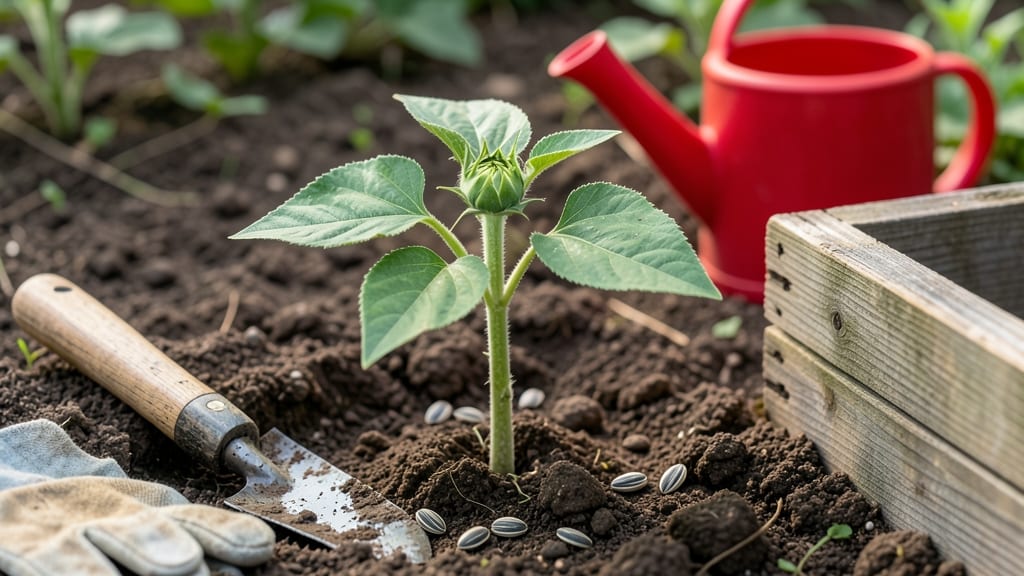
To plant sunflower seeds for towering, healthy blooms, start by placing them just 1 inch deep in loose, well-drained soil after your last frost date.
Sunflowers aren’t just beautiful—they’re the ultimate statement plants, but only if you plant them right. Follow these proven spacing and depth tricks to grow sunflowers that reach sky-high while thriving all season long.
Whether you’re working with dwarf varieties or giant sunflowers, proper spacing (about 6 inches apart) prevents overcrowding, which can stunt growth or lead to weak stems. Too close, and they’ll compete for nutrients; too far, and you’ll miss out on that lush, full look.
In this guide, you’ll learn the science-backed depth and spacing rules, when to plant for your zone, and how to troubleshoot common mistakes—so you can enjoy sunflowers that stand tall and proud from July through September.


Optimal sunflower seed spacing and depth for maximum growth
Sunflowers thrive when planted with precision—spacing and depth directly impact stem strength, bloom size, and disease resistance. Too close, and your plants will compete for nutrients, leading to weak stems that snap in wind.
Too deep, and germination slows or fails entirely. Let’s dig into the science-backed guidelines to ensure your sunflowers grow tall, strong, and stunning.
Most sunflower varieties need 1 to 2 inches of planting depth, but dwarf types (like 'Teddy Bear') tolerate shallower depths of ½ to 1 inch. Giant varieties (like 'Mammoth') demand 1.5 to 2 inches—any deeper, and their taproots struggle to break through compacted soil.
The key? Loosen the soil first with a garden fork or tiller to create a fluffy bed where roots can spread freely.
Spacing depends on your sunflower’s mature height. Dwarf varieties (1–3 feet) can handle 6 to 12 inches apart, while standard types (6–10 feet) need 12 to 24 inches.
Giant sunflowers (10+ feet) require 24 to 36 inches to avoid overcrowding. Pro tip: Use a measuring tape or spacer grid to mark rows—consistency prevents future thinning headaches.
Here’s the golden rule: Soil preparation matters more than you think. Sunflowers hate soggy roots, so amend heavy clay with compost or sand to improve drainage. A pH of 6.0 to 7.0 is ideal—test your soil with a home kit before planting.
If your soil is alkaline, mix in sulfur or peat moss to lower pH naturally.
For container gardening, adjust spacing to half the usual distance—sunflowers in pots need more frequent watering and nutrients. Use large pots (12+ inches deep) with drainage holes and a balanced fertilizer (like 5-10-10) at planting.
If growing in raised beds, space seeds 12 inches apart regardless of variety, as beds warm faster and promote faster growth.
One mistake I see often? Overcrowding in windy areas. Tall sunflowers (6+ feet) need extra spacing—think 36 inches apart—to prevent stems from bending or snapping. Stake giant varieties at planting with 3-foot bamboo stakes tied loosely to the stem.
This gives them support without restricting growth, ensuring they reach their full 10–15-foot potential without toppling.
After planting, water deeply to settle the soil around seeds. Use a hose with a gentle spray or watering can to avoid displacing seeds. Mulch with straw or shredded leaves to retain moisture and suppress weeds.
Avoid mulching too close to the stem—keep it 2 inches away to prevent rot. Consistency is key: 1–2 gallons of water per plant weekly keeps roots happy without drowning them.
Sunflowers are forgiving, but depth and spacing set the stage for success. Follow these guidelines, and you’ll enjoy bold blooms, strong stems, and seeds ready for harvest—all while avoiding the heartbreak of flopping plants. Ready to plant? Grab your seeds, mark your rows, and let the sunflowers shine!
Step-by-step sunflower planting process with pro tips
Sunflowers thrive when planted at the right time—typically 2-4 weeks after your last frost date, which for most zones falls between mid-April and May. For best results, align your planting with the waxing moon phase, as this encourages stronger root development and faster growth.
Check your local frost dates to avoid planting too early, which can damage tender seedlings.
Before you even touch your seeds, prepare the soil by loosening it to a depth of 6-8 inches to create an ideal environment for root growth. Mix in 2-3 inches of compost to enrich the soil with nutrients, and ensure the area gets full sun (6+ hours daily).
Sunflowers hate soggy soil, so if your garden retains water, amend with sand or perlite for better drainage.
How to Plant Sunflower Seeds
- 1 Choose your seeds: Pick a variety suited to your space—dwarf sunflowers (1-3 ft) for containers or giant varieties (6-15 ft) for borders.
- 2 Plant seeds 1 inch deep: Sunflower seeds are large, so press them gently into the soil—no need to bury them deeper. Use your finger to create a small hole, drop in the seed, and cover lightly.
- 3 Space seeds 6 inches apart: For standard varieties, maintain 6-12 inches between plants to prevent overcrowding. Dwarf varieties can tolerate 4-6 inches of space.
- 4 Water gently but deeply: After planting, water the soil to a depth of 1-2 inches. Avoid wetting the leaves to prevent fungal diseases like powdery mildew.
- 5 Thin seedlings if needed: Once sprouts appear, thin them to the strongest plant per spot. Use scissors to snip weak seedlings at soil level to avoid disturbing roots.
Handling sunflower seeds requires a gentle touch—these large, hard seeds don’t need soaking, but you can nick the outer shell with a knife if germination seems slow. Plant them in well-drained soil to avoid rot, and avoid compacting the soil around them, which can suffocate young roots.
If you’re planting in containers, use a pot at least 12 inches deep for standard varieties.
After planting, monitor your sunflowers for common mistakes like overwatering (which causes root rot) or planting too close (leading to weak stems). Mulch around the base with straw or wood chips to retain moisture and suppress weeds, but keep mulch 2-3 inches away from stems to prevent disease.
Water deeply once a week, focusing on the soil rather than the leaves.
With proper care, your sunflowers will reward you with vibrant blooms in 70-120 days, depending on the variety. Watch for pest threats like sunflower moths or bird damage—use netting if needed—and enjoy the process of growing these cheerful giants from seed to sky-high perfection. 🌻