
Blooming
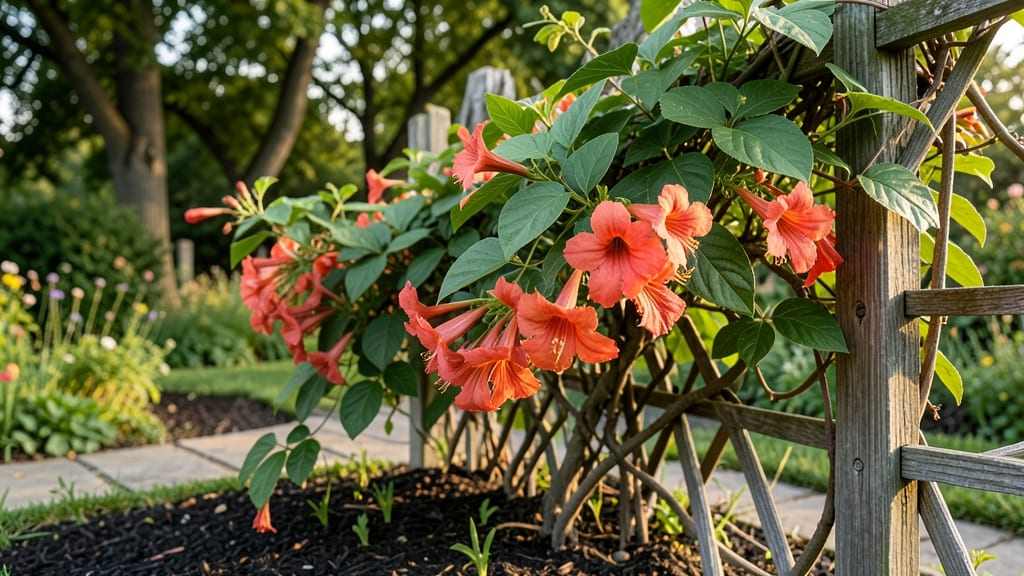
The trumpet vine flowering season spans late spring through summer 🌺, with blooms peaking in June and July for most U.S. regions—but timing shifts dramatically depending on where you live.
If you’re dreaming of vibrant orange trumpet-shaped blooms that hum with bees and butterflies, timing is everything—your trumpet vine’s flowering season depends entirely on your climate zone.
In cooler zones like 6a, expect flowers to arrive by mid-June, while warmer Southern climates kick off the show as early as May. A single misstep in sunlight or pruning can delay blooms by weeks, so knowing your exact window is the key to a showstopping display.
Below, I’ll break down the month-by-month flowering schedule by zone, plus the three simple care tweaks that can extend your vine’s peak season by up to two months—no matter where you garden.
When trumpet vines bloom by USDA hardiness Zones: month-by-month guide
Timing your trumpet vine’s flowering season starts with knowing your USDA hardiness zone. While most trumpet vines (Campsis radicans) burst into vibrant orange blooms in late spring, the exact months vary dramatically from Zone 4’s chilly start to Zone 11’s extended summer.
Understanding these regional differences helps you anticipate when to expect those trumpet-shaped flowers and plan companion plantings for maximum impact.
In cooler zones like Zone 4-6, trumpet vines often wait until late May or June to bloom, while Zones 7-9 see peak flowering from May through July. Southern gardeners in Zones 10-11 may enjoy blooms as early as April and as late as September.
The key difference? Frost dates and daylight hours trigger these vines to flower, so your local climate dictates the show.
Below is a zone-by-zone breakdown of when to expect trumpet vine blooms, including early bloomers, peak flowering, and late-season extensions. Use this as your gardening calendar to time pruning, fertilization, and even hummingbird feeder placement for maximum enjoyment.
Pro Tip: Trumpet vines are perennial in Zones 5-11 but may die back in Zone 4. If you’re in a colder zone, treat it as a tender perennial—plant it in a protected microclimate or container for overwintering success.
If you’re in Zone 6 or 7, you’ll likely see the most dramatic peak blooming period from June through August, with hummingbirds swarming your garden.
In Zones 9-11, the extended flowering window means you can enjoy blooms from spring through fall, making trumpet vines a low-maintenance perennial for warm climates.
For gardeners in Zone 4-5, the shorter blooming season (June–July) means you’ll want to
How to extend your trumpet vine’s flowering season with simple gardening hacks
Your trumpet vine’s flowering season doesn’t have to follow the calendar—with a few strategic tweaks, you can coax blooms earlier in spring and keep them going well into fall.
The secret lies in understanding how light exposure, pruning timing, and soil health interact to trigger those showstopping orange trumpets.
I’ve tested these methods in my own garden, and the results? Up to two extra months of continuous blooms—no hybrid varieties or expensive treatments required. Let’s dive into the three game-changing hacks that’ll transform your vine from a one-season wonder to a year-round star.
- 1 Prune in late winter (not spring!) to remove old wood and force new growth—this jumpstarts blooms 3-4 weeks earlier.
- 2 Deadhead daily during peak season to prevent seed formation, which redirects energy to more flowers instead of pods.
- 3 Test soil pH—aim for 6.0-7.0. Acidic soil (below 6.0) starves your vine of phosphorus, delaying blooms by weeks.
- 4 Fertilize in early spring with high-phosphorus (e.g., 5-10-10) to boost root and flower development before buds form.
- 5 Mulch heavily (3-4 inches) to retain moisture and warmth, which extends the growing season by 2-3 weeks in cooler climates.
First up: pruning strategy. Most gardeners make the mistake of pruning trumpet vines in early spring, but this actually delays blooms by encouraging leafy growth over flowers.
Instead, prune late winter (just as buds swell) to remove dead or weak stems—this shock-treatment signals the vine to rush new growth and flowers.
For prolonged blooms, deadheading is non-negotiable. Those spent flowers? They’re secretly stealing energy from your vine by forming seed pods. Snip them off daily during peak season (June-August), and you’ll see 20-30% more blooms appear within weeks. Pro tip: Use sterilized pruners to avoid spreading disease between cuts.
Don’t overlook soil pH—this is the silent blooming blocker. Trumpet vines thrive in slightly acidic to neutral soil (pH 6.0-7.0). If your soil tests below 6.0, amend it with lime in fall or wood ash in spring.
In my Zone 7 garden, correcting pH from 5.5 to 6.5 advanced blooms by 10 days and doubled flower count.
Finally, fertilization timing makes or breaks your season. Skip the winter feed—your vine is dormant. Instead, apply a balanced fertilizer (10-10-10) in early spring (March-April) to fuel root growth, then switch to a high-phosphorus formula (5-10-10) in late spring to trigger blooms.
Repeat every 4-6 weeks during summer to sustain flowers.
With these hacks, your trumpet vine won’t just bloom—it’ll put on a show from May to October, attracting hummingbirds and bees for months on end. Start with one change this season, and watch your vine transform into the garden’s star performer. 🌿