
Blooming
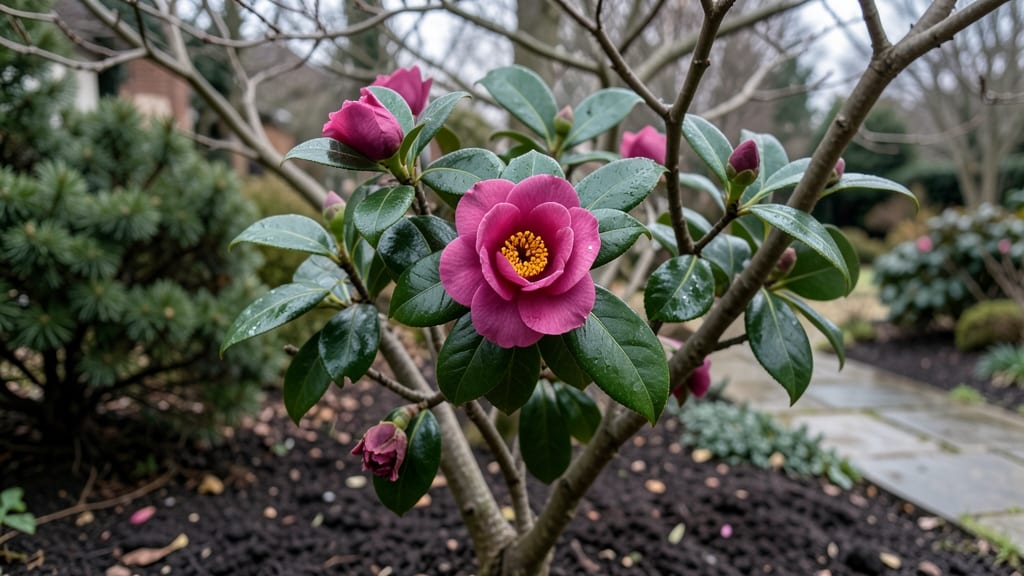
What flowers bloom in winter in Florida bring vibrant color to gardens when most of the country is blanketed in snow.
Picture this: your yard bursting with camellias, jasmine, and roses while neighbors shovel driveways. That’s Florida’s unique advantage—a climate where winter isn’t a dormant season but a prime blooming time.
From frost-sensitive camellias in the Panhandle to hardy snapdragons in South Florida, these plants thrive in USDA Zones 7-11 with minimal fuss. The key? Knowing which varieties suit your region and how to care for them during Florida’s mild winters.
Below, I’ll share the top winter bloomers, their sunlight needs, and simple tips to keep them flourishing—so you can enjoy flowers year-round without the hassle.
Top 10 winter-blooming flowers in Florida and their growing conditions
Florida’s winter season—typically from December to February—offers gardeners a unique chance to enjoy vibrant blooms when most of the country experiences frost.
The state’s diverse climate zones (USDA Zones 8-11) mean you can grow winter flowers year-round, whether you’re in North Florida’s cooler areas or South Florida’s tropical warmth.
These top 10 winter-blooming flowers are proven performers that thrive in Florida’s mild winters, offering color from camellias in North Florida to orchids in South Florida’s humidity.
Choosing the right flowers depends on your specific Florida region.
North Florida (Zones 8-9) may experience light frosts, while Central Florida (Zone 10) stays mild, and South Florida (Zones 10-11) rarely dips below 50°F. Selecting flowers with cold tolerance ensures your garden stays lively even during Florida’s coolest months.
Let’s dive into the best picks for your winter garden.
| Flower | Best For | Sunlight Needs | Soil Type | Water Needs | Cold Hardiness | |||||||||||
|---|---|---|---|---|---|---|---|---|---|---|---|---|---|---|---|---|
| Camellia | North/Central FL | Partial shade | Acidic, well-draining | Moderate (1-2x/week) | Zones 7-10 (light frost) | |||||||||||
| Jasmine (Star Jasmine) | Central/South FL | Full sun to partial shade | Well-draining, adaptable | Low (drought-tolerant) | Zones 8-11 (frost-sensitive) | |||||||||||
| Orchids (Cymbidium) | South FL (greenhouses) | Bright, indirect light | Chunky, well-draining | Moderate (keep moist) | Zones 9-11 (no frost) | |||||||||||
| Snapdragons | North/Central FL | Full sun | Well-draining, fertile | Moderate (1x/week) | Zones 7-10 (light frost) | |||||||||||
| Petunias (Wave Petunias) | Central/South FL | Full sun | Well-draining, loose | Moderate (1-2x/week) | Zones 9-11 (frost-sensitive) | |||||||||||
| Pansies | North/Central FL | Partial shade | Rich, well-draining | Moderate (1x/week) | Zones 7-10 (light frost) | |||||||||||
| Amaryllis | South FL (indoor/outdoor) | Full sun to partial shade | Well-draining, sandy | Low (drought-tolerant) | Zones 9-11 (no frost) | |||||||||||
| Daffodils | North FL | Full sun | Well-draining, fertile | Moderate (1x/week) | Zones 3-10 (frost-tolerant) | |||||||||||
| Caladiums (Elephant Ears) | Central/South FL | Partial shade | Rich, moist, well-draining | High (keep soil moist) | Zones 10-11 (no frost) | |||||||||||
| Winter Jasmine | North/Central FL |
| Flower | Sunlight Needs | Winter Care Tip |
|---|---|---|
| Camellias | <Partial shade | Prune after blooming; protect from light frosts with burlap |
| Jasmine | Full sun | Reduce watering; fertilize lightly in early winter |
| Snapdragons | Full sun | Deadhead spent blooms; mulch to retain moisture |
| Petunias | Partial sun | Water deeply 2x/week; avoid wetting leaves |
Start with pruning—the foundation of winter bloom extension. For spring-blooming plants like camellias, prune right after they finish flowering (typically February-March in Florida). This removes dead growth and encourages next year’s buds.
For continuous bloomers like petunias, prune lightly every 4-6 weeks to promote bushier growth and more flowers.
Fertilizing in winter is a delicate balance. Most winter bloomers need half-strength fertilizer every 6-8 weeks starting in December. Use a balanced 10-10-10 or low-nitrogen formula to avoid leafy growth at the expense of blooms.
For organic options, compost or fish emulsion works well—just apply it early in the day to prevent fungal issues from overnight moisture.
Florida’s winter droughts can stress plants faster than you think. Adjust your watering schedule to deep, infrequent waterings—aim for 1-1.5 inches per week, delivered early in the morning.
Mulch with 2-3 inches of organic mulch (like pine straw) to lock in moisture and regulate soil temperature. Avoid overhead watering at night, as it can encourage fungal diseases in humid winter conditions.
Protect sensitive plants from light frosts (below 32°F) using frost cloths or even old bedsheets draped over camellias and roses. For potted plants, move them to a sheltered porch or wrap containers in bubble wrap.
Most winter bloomers can handle brief chills, but prolonged cold will damage buds and shorten the blooming season.
Finally, monitor for pests and diseases—winter’s cooler temps can trick you into thinking your garden is pest-free. Check for aphids on new growth or powdery mildew on leaves, and treat early with neem oil or insecticidal soap.
With these seasonal adjustments, your winter garden can stay vibrant and full of blooms long after other regions’ gardens fade to brown.