
Picking
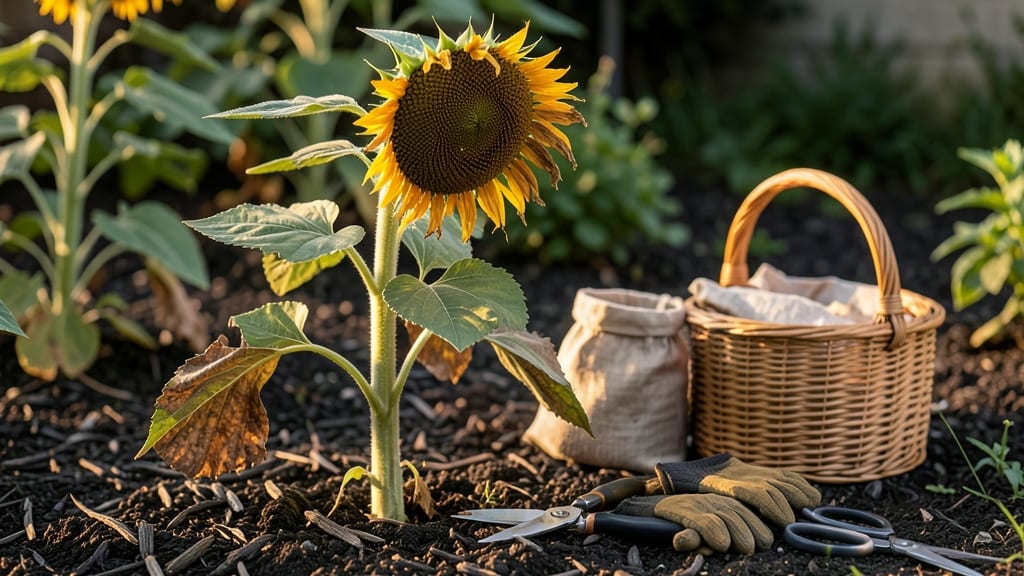
Sunflower seeds are ready to harvest when the back of the seed head turns fully brown and the petals begin to wilt 🌻 — a moment that separates delicious, crunchy seeds from bitter disappointment.
Picture this: you’ve nurtured your sunflowers all season, and now the real test arrives. One wrong move and you’re left with seeds that taste like cardboard or worse, watching birds and squirrels clean out your crop before you even know it’s ready.
The key is catching that perfect window—when the seeds are ripe but still safe from pests.
Most sunflowers mature in 80 to 120 days, but timing depends on your variety and climate. In USDA Zone 6a, that means late summer or early fall, just before the first frost.
The back-of-hand test—rubbing a seed between your fingers to check for dryness—is the foolproof way to confirm ripeness without guessing.
Inside, I’ll walk you through the exact visual cues to watch for, how to beat the wildlife race, and the simple drying and storage steps to keep your harvest fresh for months. No more wasted effort—just perfect, crunchy sunflower seeds.
How to tell when sunflower seeds are ready to harvest using the back-of-hand test
Harvesting sunflower seeds at the perfect moment ensures you get nutrient-rich, flavorful seeds instead of bitter or spoiled ones. The back-of-hand test is the most reliable method gardeners use to confirm ripeness, combining both visual cues and tactile feedback.
If you've ever wondered, "How do I know when my sunflower seeds are ready?"—this simple trick will give you the answer every time.
Before diving into the test, focus on these three key visual indicators first: a fully brown, dry seed head, drooping petals, and a woody, brown stem.
These signs tell you the seeds are nearing maturity. But the back-of-hand test adds that final confirmation, ensuring you don’t harvest too early or too late.
Why timing matters: Harvesting too soon means underdeveloped seeds that won’t store well, while waiting too long risks losing seeds to birds, squirrels, or mold. The back-of-hand test cuts through the guesswork by giving you a tactile benchmark for ripeness.
- 1
- 2
- 3
- 4
- 5
The back-of-hand test works because it combines texture and moisture checks—two critical factors for seed ripeness. A dry, smooth seed head means the seeds have reached their peak oil and protein content, making them ideal for eating or saving for next year’s garden.
Timing your harvest also depends on your sunflower variety. Dwarf varieties (like 'Teddy Bear') may mature in 50–60 days, while giant varieties (like 'Mammoth') can take 100–120 days. Always check the seed packet for estimated days to maturity and adjust your back-of-hand test accordingly.
One common mistake is harvesting when the seed head turns fully brown but the seeds inside are still green. This happens if the plant didn’t get enough sunlight or water during development. The back-of-hand test helps avoid this by confirming internal dryness, not just external color.
After harvesting, store seeds in an airtight container in a cool, dark place for up to 3 years. Label them with the harvest date to track freshness. If you’re saving seeds for planting, let them dry completely—moisture is the enemy of seed viability.
Pro tip: If you’re growing sunflowers for birdseed, you can harvest slightly earlier (when the back of the head is 70% brown) to give the seeds a softer texture that birds prefer. For human consumption, wait until the head is 100% brown and dry.
Now that you’ve mastered the back-of-hand test, you’ll never second-guess when to harvest sunflower seeds again. Happy gardening—and enjoy those crunchy, nutritious treats straight from your garden! 🌻
Sunflower seed ripeness timeline: days to maturity and environmental factors
Sunflowers are fast growers, but their harvest timeline varies dramatically—from just 30 days for dwarf varieties to over 120 days for giant types. The key is understanding how your climate, sunlight, and watering habits influence when those seeds are ready to harvest.
Too early, and you’ll get bitter, underdeveloped seeds; too late, and squirrels or birds will beat you to them.
Most sunflowers reach maturity between 80-100 days after planting, but this depends heavily on the variety you’re growing. Fast-maturing types like 'Teddy Bear' (dwarf) can be ready in as little as 50 days, while towering 'Russian Giant' varieties may take 120+ days.
Your local climate also plays a role—cooler regions stretch out the growing season, while hot, sunny areas speed things up.
| Variety | Days to Maturity | Height | Key Ripeness Cues |
|---|---|---|---|
| Teddy Bear (Dwarf) | 50-60 days | 1-3 ft | Petals droop, back turns brown |
| Moulin Rouge | 60-75 days | 3-5 ft | Seed head fully brown, seeds rattle |
| Autumn Beauty | 80-90 days | 4-6 ft | Back of head hard, petals fallen |
| Russian Giant | 100-120 days | 10-16 ft | Stem woody, seeds dark and dry |
Temperature is the biggest wild card in sunflower maturity. Ideal growing temps of 70-85°F accelerate seed development, while cooler springs (below 50°F) can delay harvest by 2-3 weeks.
If your area has a short growing season, opt for fast-maturing varieties like 'Early Bird' or 'ProCut', which thrive in USDA Zones 3-10 and mature in 60-75 days.
Sunlight is non-negotiable—sunflowers need 6+ hours of direct sun daily to develop properly. Without enough light, seed heads may stay green and underdeveloped, or the seeds will be small and bitter.
If your garden gets partial shade, choose dwarf varieties that tolerate 4-5 hours of sun, like 'Sunspot' or 'Puck', which mature in 70-80 days.
Watering habits also impact ripeness. While sunflowers are drought-tolerant once established, consistent moisture during flowering and seed development (weeks 6-10 after planting) ensures plump, flavorful seeds. Overwatering can cause splitting seed heads or fungal issues, while underwatering leads to shrunken seeds.
Aim for 1 inch of water per week, delivered in the morning to prevent fungal growth.
Watch for environmental stressors like late frosts or extreme heat waves, which can stunt growth. If your area has unpredictable weather, plant successive batches every 2 weeks to stagger harvests.
And don’t forget—birds and squirrels are always watching! Cover seed heads with mesh bags once they’re 80% mature to protect your crop.