
Flowers
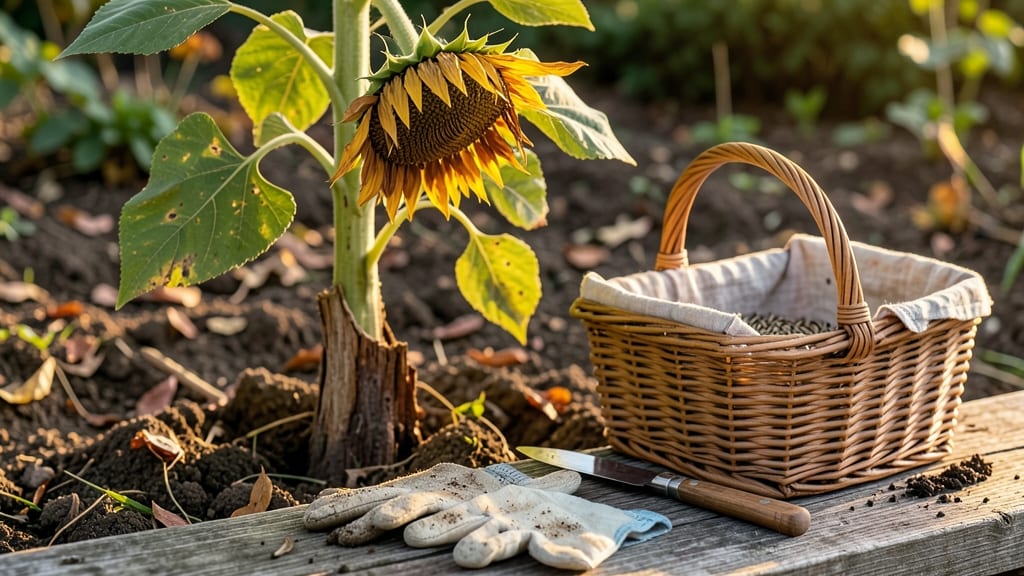
Sunflowers are ready to harvest when their back turns golden yellow 🌻 and the petals begin to droop, marking the perfect time for seed or flower use.
If you’ve ever watched a sunflower bloom only to wonder, "Is it time yet?"—you’re not alone. The difference between a perfect harvest and wasted effort often comes down to knowing these three key signs: the color shift, the seed firmness, and the stem’s readiness.
Miss them, and you might end up with tough seeds or floppy stems that spoil your bouquet.
This isn’t just about aesthetics—timing directly impacts whether your sunflower seeds are crunchy and nutritious or bitter and underdeveloped. In Zone 6a, where frost can sneak in by October, rushing the harvest means risking seed damage, while waiting too long can leave you with nothing but a dried-out stalk.
Below, I’ll walk you through the exact cues to look for, how to test seed maturity with your fingernail, and why some sunflowers (like the edible varieties) need to be picked earlier than their ornamental cousins. No guesswork—just a foolproof guide to harvesting sunflowers at their peak.
3 Unmistakable signs your sunflowers are harvest-ready
Sunflowers are nature’s cheerful giants, but their harvest timing can be confusing. Even experienced gardeners sometimes hesitate—should I pick them now, or wait a few more days? The key lies in three simple visual and tactile cues that tell you when your sunflowers are truly ready.
Ignore these signs, and you might end up with bitter seeds, tough stems, or wasted blooms. Let’s break down exactly what to look for.
First, understand that different sunflower varieties have slightly different harvest windows. Edible varieties like Mammoth or Russian Giant need harvesting earlier for tender seeds, while ornamental types can wait longer for dramatic dried blooms.
But no matter the variety, these three universal signs will never steer you wrong. Master them, and you’ll always know the perfect moment to harvest.
🌻 Numbered Highlights: 3 Signs Your Sunflowers Are Harvest-Ready
The green bracts at the center of the flower head (the "back") should turn bright yellow. This means the seeds inside are mature and ready for harvest. If it’s still green, wait 2-3 more days.
When the outer petals start to curl downward and lose their bright color, it’s a clear signal. This happens naturally as the plant redirects energy to seed production.
Gently press the flower head with your thumb. If it feels hard and dry (like a dried-up sponge), the seeds are ready. If it’s still soft or moist, they need more time.
For edible sunflower varieties, like those grown for seeds or oil, you’ll also want to check the seed maturity with the "fingernail test". Press a seed with your fingernail—if it splits easily, it’s ready.
For ornamental sunflowers, you can wait until the entire head is completely dry and the petals have fallen off naturally for a rustic look.
Timing is everything when it comes to sunflower harvests. If you pick too early, the seeds won’t be fully developed, and the stems may still be too tender.
Harvest too late, and the seeds can sprout inside the head or become brittle. The 30-day window between these signs is your sweet spot—don’t miss it!
One pro tip: Harvest on a dry, sunny morning. This ensures the stems are firm and the seeds won’t mold. Use clean, sharp pruners or shears to cut the stems at a 45-degree angle about 6 inches below the flower head.
This prevents the stems from splitting and makes drying easier.
If you’re growing sunflowers for bouquets or dried arrangements, you can leave them on the plant slightly longer until the petals turn brown. But for seed harvesting, act quickly once you spot those yellow bracts.
The sooner you harvest, the better the flavor and quality of your seeds.
Don’t forget to label your varieties if you’re growing multiple types. Some sunflowers, like Jerusalem artichokes or Confetti mixes, have unique harvesting needs. Keep a small notebook nearby to track which plants are ready and which still need time.
Finally, if a frost warning appears before your sunflowers are ready, act fast. Even if the seeds aren’t fully mature, harvesting before frost prevents rot and ensures you get some yield. You can always dry the seeds indoors to finish the process.
With these three clear signs, you’ll never second-guess your sunflower harvest again. Whether you’re growing them for seeds, bouquets, or just the joy of watching them thrive, timing is the secret to success. Happy harvesting! 🌻
Harvest timing differences: edible vs. ornamental sunflowers
Not all sunflowers are created equal when it comes to harvest timing. Edible varieties like oil-type and snack-type sunflowers must be picked earlier than their ornamental cousins to maximize seed quality. The key difference?
Edible seeds need to reach moisture content of about 10-12% for optimal flavor and storage, while ornamental types can wait until the seed heads are fully dry for decorative purposes.
Climate zones also play a critical role. In hotter regions (USDA Zones 8-10), sunflowers mature faster and may need harvesting 2-3 weeks earlier than in cooler zones (Zones 3-6).
A late summer frost in northern climates can actually preserve ornamental varieties longer, while edible seeds risk sprouting or spoiling if left too long on the plant.
Here's the critical distinction: Edible sunflower seeds are harvested when the back of the head turns yellow and the petals begin to droop—but before the seeds become too dry. Ornamental sunflowers, however, are left on the plant until the entire head turns brown and the stems become crispy-dry, perfect for dried arrangements.
| Feature | Edible Sunflowers (Oil/Snack) | Ornamental Sunflowers |
|---|---|---|
| Harvest Stage | Back turns golden-yellow, petals droop | Back turns brown, stems crispy-dry |
| Seed Maturity | 10-12% moisture, firm but not hard | 5-8% moisture, seeds rattle when shaken |
| Climate Impact | Hot zones: harvest 2-3 weeks early | Cool zones: wait for full brown color |
| Best Use | Roasting, oil extraction, birdseed | Dried arrangements, wreaths, winter decor |
| Fingernail Test | Seed should indent slightly but not crush | Seed should feel hollow when pressed |
For edible varieties, use the fingernail test: Press a seed with your fingernail. If it leaves a dent but doesn't crush, it's ready. For ornamental types, wait until seeds rattle inside the head when shaken—this ensures maximum dryness for lasting arrangements.
Pro tip: Harvest edible sunflowers on a dry morning to prevent mold from dew.
In cooler climates, ornamental sunflowers often benefit from delayed harvesting to develop deeper colors. However, if a frost warning appears, cut stems at a 45-degree angle and hang them upside down in a dry, dark space to finish drying.
Edible varieties, however, should never be left on the plant past their prime—they’ll lose flavor and may even sprout if exposed to moisture.
Remember: Timing is everything. Ornamental sunflowers can wait weeks for perfect dryness, while edible seeds have a narrow 1-2 week window for peak quality.
Mark your calendar based on your USDA zone—northern gardeners should aim for late August to early September, while southern growers may harvest as early as July.