
Blooming
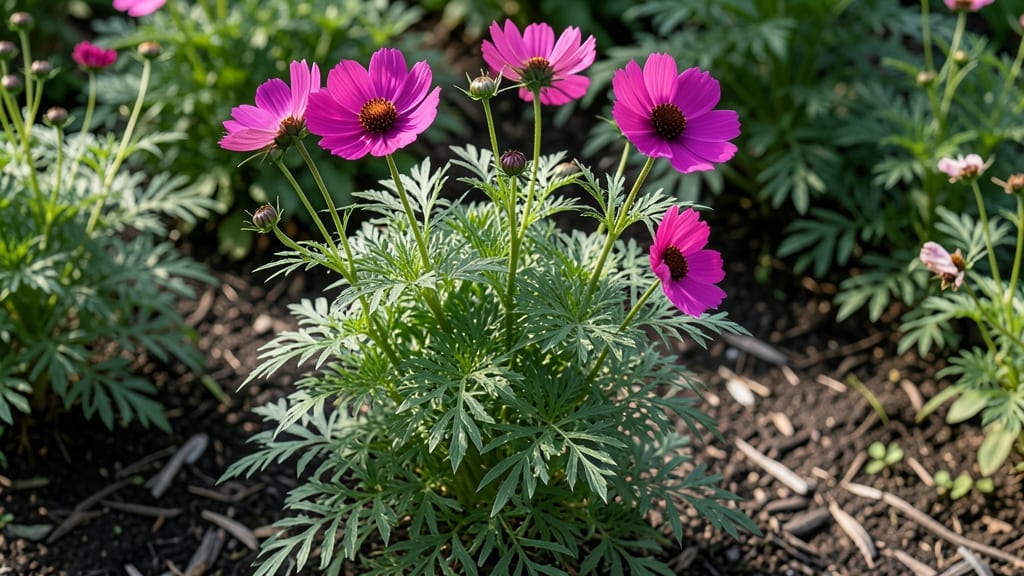
Cosmos flowers bloom from July through October 🌸, turning your garden into a sun-drenched canvas of pink, white, and red.
If you’ve ever dreamed of a vibrant garden bursting with color from late summer to frost, cosmos flowers are your secret weapon—but timing is everything. Knowing exactly when these cheerful blooms appear in your USDA zone can mean the difference between a stunning display and a missed opportunity.
These easygoing annuals thrive in full sun and well-drained soil, but their bloom schedule shifts slightly depending on your region. In cooler zones like 6a, expect flowers to kick off in early July, while warmer climates see them popping up as early as June.
The key? Planting after your last frost and giving them consistent water.
Below, I’ll break down the exact months to expect blooms, how to extend their season, and the best varieties for your climate—so you can enjoy nonstop color from summer right through fall.
Cosmos bloom timeline by USDA zone: exact months to expect flowers
If you've planted cosmos seeds dreaming of a colorful late-summer garden, timing is everything. These drought-tolerant annuals thrive in warm weather, but their bloom windows vary dramatically across USDA Zones 3-11.
Whether you're in chilly Zone 3 or mild Zone 11, knowing the exact months for cosmos flowers to bloom helps you plan for maximum impact.
Most cosmos varieties follow a predictable pattern: 45-60 days from seed to first bloom. However, early varieties like 'Sensation Mix' can flower in just 40 days, while tall varieties like 'Bright Lights' may take 60+ days.
The key difference between zones? Frost dates and summer heat intensity shift when blooms begin and end.
Here's your zone-by-zone bloom calendar for cosmos flowers, including early, peak, and late-season varieties. Use this as your planting guide to ensure continuous color from July through frost.
| USDA Zone | Planting Window | First Blooms | Peak Blooms | Late Blooms | Best Varieties |
|---|---|---|---|---|---|
| 3-4 | Late May - June | Late July | August | Early September | 'Sensation Mix', 'Sonata White' |
| 5-6 | Mid-April - May | Early July | July - September | Mid-October | 'Bright Lights', 'Double Click' |
| 7-8 | March - April | Late June | July - October | November (mild zones) | 'Purity', 'Cosmic Orange' |
| 9-10 | February - March | Early June | June - November | December (tropical) | 'Seashells', 'Ruby Red' |
| 11 | Year-round (direct sow) | April | April - December | Year-round | All varieties |
🌱 Note: Fall planting in Zones 7-11 extends blooms into winter
For Zone 3-4 gardeners, cosmos are short-season wonders. Plant seeds in late May after soil warms to 60°F (15°C), and expect first blooms by late July. The peak bloom period runs through August, with late varieties like 'Sonata White' extending color until early September.
In Zones 5-6, you gain a 2-month advantage. Sow seeds in mid-April for July blooms, but don't stop there! For fall color, make a second planting in August—these late cosmos will bloom until first frost in October.
This double-planting trick creates a continuous bloom display from July through October.
Gardeners in Zones 7-8 enjoy the longest bloom seasons. With mild winters, cosmos can flower from June through November. The 'Purity' variety is a standout, offering pure white blooms that contrast beautifully with
How to extend cosmos blooming season: pro tips for longer flowers
Cosmos flowers naturally bloom from July through October, but with the right strategies, you can stretch that vibrant display into November in mild climates. The secret lies in understanding their growth habits and giving them the right care at the right time.
Unlike finicky flowers, cosmos are forgiving—but they do reward attentive gardeners with longer, more abundant blooms when you follow these pro tips.
First, let’s address the biggest mistake gardeners make: skipping deadheading. Many assume cosmos will keep blooming on their own, but removing spent flowers signals the plant to produce more buds.
This simple step can extend your flowering season by 3-4 weeks or longer. Pair this with smart companion planting, and you’ll create an ecosystem that supports continuous growth.
Here’s how to maximize your cosmos blooms with actionable steps:
- Deadhead daily: Snip off spent blooms at the base using clean scissors. This redirects energy to new flowers instead of seed production.
- Plant in stages: Sow seeds every 2-3 weeks from May to July. This creates a staggered bloom effect, ensuring fresh flowers as older ones fade.
- Choose tall and dwarf varieties: Mix 'Bright Lights' (tall, 4-5 ft) with 'Sonata Double Click' (dwarf, 1-2 ft) for layered color and extended height.
- Fertilize lightly in summer: Use a balanced 5-10-10 fertilizer every 4-6 weeks to avoid leggy growth, which can shorten the bloom period.
- Avoid overwatering: Cosmos are drought-tolerant once established. Water deeply once a week (more in extreme heat) to prevent fungal issues that stunt blooms.
Another game-changer is companion planting. Cosmos pair beautifully with basil, marigolds, and nasturtiums, which deter pests like aphids and spider mites—common culprits that stress plants and reduce flowering.
I’ve noticed that cosmos near basil not only bloom longer but also stay healthier, thanks to the natural pest-repelling properties of both plants.
Don’t overlook the power of soil amendments. Cosmos thrive in well-draining soil with a pH of 6.0-7.0. Before planting, mix in compost or aged manure to provide nutrients without overwhelming the plant.
Over-fertilizing can lead to leafy growth at the expense of flowers, so aim for a light feed rather than heavy doses.
For gardeners in warmer climates (Zones 8-11), you can push blooms into November by planting a second batch in late summer. Choose heat-tolerant varieties like 'Cosmos bipinnatus', which handle higher temperatures better than others.
Just be sure to water consistently and monitor for pests, which thrive in warm, dry conditions.
Finally, embrace the natural lifecycle of cosmos. While they’re annuals, their self-seeding habits mean you’ll often get volunteer plants the following year. Let a few go to seed in one corner of your garden, and you’ll have a head start next season—plus, you’ll avoid the need to replant.