
Flowers
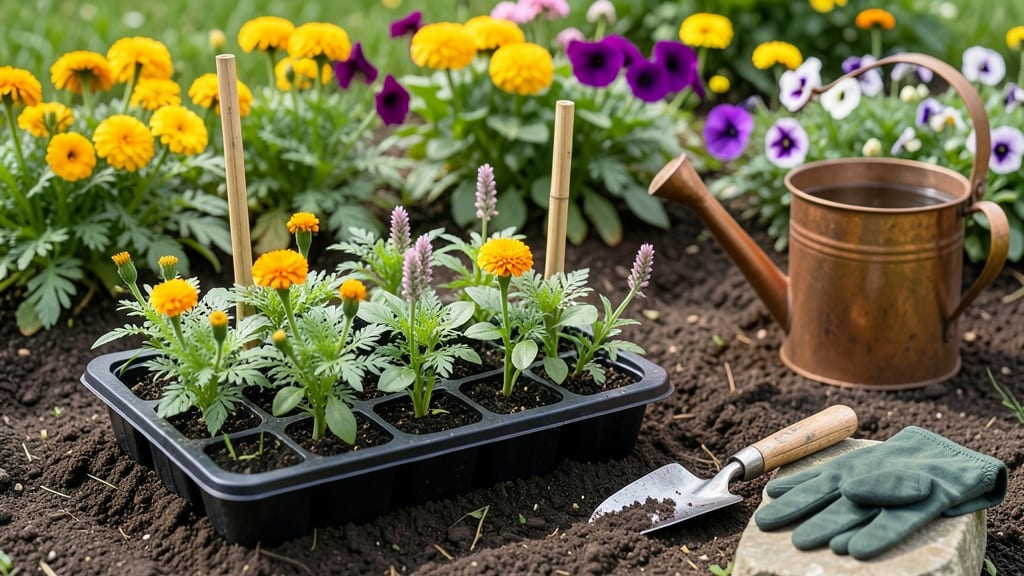
The best time to start planting flowers depends on your climate zone and the type of blooms you’re growing — timing it right means the difference between a garden bursting with color and one that fizzles before it begins.
Timing your flower planting wrong can mean wilted dreams instead of vibrant blooms—but knowing your climate zone’s frost dates transforms guesswork into a lush, colorful garden.
In Zone 6a, like many gardens across the U.S., the window is tight: too early, and a late frost will zap tender seedlings; too late, and summer heat arrives before the blooms even peek out.
Spring-blooming annuals and perennials thrive when planted after your last frost date—around mid-April in most of Zone 6a—while cool-season varieties like pansies can handle an earlier start.
Container gardens give you extra flexibility, but even they need to align with soil temperatures and daylight hours for the best results.
Below, I’ll break down the exact planting calendar for your zone, how to adjust for unpredictable weather, and which flowers to prioritize for zero-frost success. Whether you’re a first-time gardener or a seasoned pro, these tips will help you avoid common mistakes and maximize your blooms all season long.


Climate-zone planting calendar: when to start flowers by USDA hardiness zone
Getting your flowers in the ground at the right time means the difference between a garden bursting with color and one that fizzles out before summer. Your USDA hardiness zone determines everything from last frost dates to which cold-hardy annuals can survive your winters.
For example, Zone 3 gardeners can plant pansies in early spring, while Zone 11 growers might start marigolds year-round. Let’s break down the best planting windows for each zone, including regional exceptions like the Pacific Northwest’s mild winters or the desert Southwest’s early springs.
Most gardeners follow the last frost date rule: plant warm-season flowers like zinnias and sunflowers after the danger of frost has passed, while cool-season flowers like snapdragons and calendula can handle light frosts.
However, frost-tender varieties like impatiens and begonias need to wait until soil temperatures hit 60°F (15°C) or warmer. Below, you’ll find a zone-by-zone guide to help you time your plantings perfectly, whether you’re sowing seeds indoors, transplanting seedlings, or direct-sowing in the garden.
In Zones 3-4, where winters are harsh, focus on cool-season annuals like pansies and sweet alyssum for early spring color. These can handle light frosts down to 20°F (-7°C), making them ideal for early planting.
Meanwhile, frost-tender varieties like petunias should wait until soil warms to 60°F (15°C), typically in late May or June. If you’re in Zone 4 but live near a large body of water, like the Great Lakes, expect 2-3 weeks later frost dates than inland areas.
Gardeners in Zones 5-6 have a longer growing season, allowing for two planting windows: spring and fall. Start cool-season flowers like calendula and stock in late April for early blooms, then succession-plant every 2-3 weeks until mid-June.
For fall, sow pansies and snapdragons in August to enjoy color until the first frost. In the Pacific Northwest, where summers are mild, prioritize shade-tolerant varieties like impatiens and fuchsias to avoid heat stress.
For Zones 7-8, where winters are mild, you can plant annuals year-round with careful planning. Start warm-season flowers like marigolds and zinnias in February under row covers or in a greenhouse, then transplant after the last frost.
Fall planting is also key: sow sweet peas in September for winter-to-spring blooms. In
How to adjust planting times for unpredictable weather patterns
Unpredictable weather can throw off even the most experienced gardener’s timing. Late frosts or early heatwaves can turn your carefully planned garden into a sad, wilted mess—but with the right adjustments, you can still achieve stunning blooms.
The key is flexibility: using tools and techniques to protect seedlings, extend growing seasons, and maximize microclimates in your space.
Whether you’re in a city apartment with limited space or a rural homestead with wide-open fields, understanding how to adapt your planting schedule can mean the difference between a thriving garden and a failed experiment.
Start by assessing your local microclimates—urban areas often have warmer pockets near buildings, while rural zones might experience colder air pockets in low-lying areas.
Here’s how to stay ahead of Mother Nature’s surprises:
For rural gardens, consider planting windbreaks like tall sunflowers or cornstalks to shield delicate blooms from harsh winds. In urban settings, vertical gardens on south-facing walls can create microclimates that stay warmer longer, extending the growing season for heat-loving flowers like geraniums or petunias.
Don’t forget to harden off seedlings gradually if you’re rushing to plant early. Acclimate them to outdoor conditions over 7-10 days to prevent shock from sudden temperature drops. And always keep a backup plan: have extra seeds or cuttings ready to replant if the worst happens.
With these strategies, you’ll turn unpredictable weather into an opportunity—not a setback. Your garden will bloom earlier, longer, and with more resilience than ever before. Happy gardening! 🌸