Plants
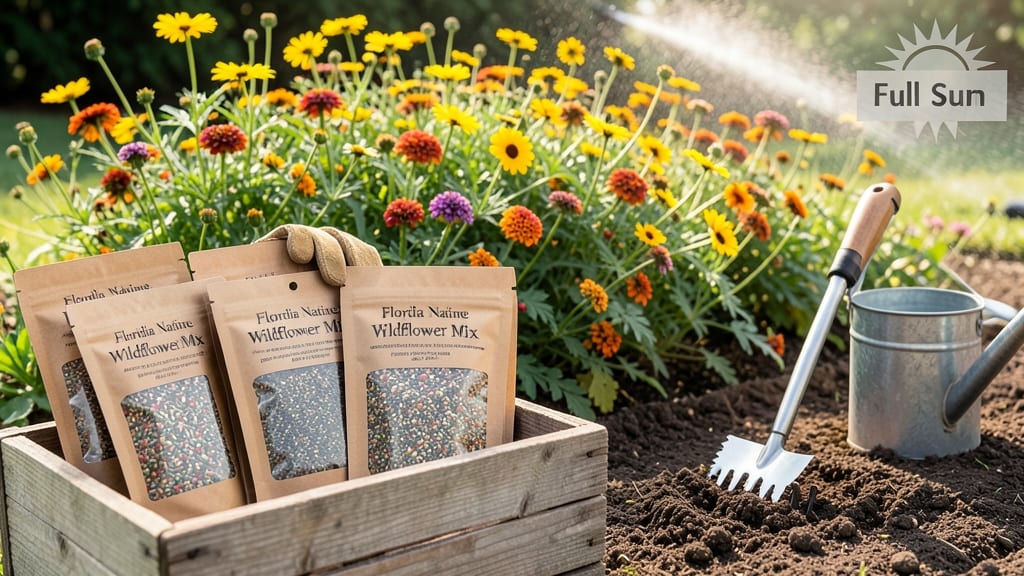
Planting wildflower seeds in Florida at the right time means the difference between a fast, lush meadow and a patchy, slow-growing disappointment.
Florida’s unpredictable weather can make or break your wildflower garden—but timing is everything for vibrant blooms that thrive year-round. The key? Aligning your planting with the rainy seasons when soil stays moist and germination speeds up.
Most gardeners assume spring is the only window, but fall planting actually gives wildflowers like coreopsis and black-eyed Susan a head start. With Florida’s frost-free climate, you can even scatter seeds in late summer for a fast burst of color before winter.
In this guide, I’ll break down the exact months to plant by region, how to prep soil for Florida’s heavy rains, and the top 5 fastest-growing wildflowers that beat the heat and drought.
Florida’s best wildflower planting windows by season
Florida’s wildflowers thrive when planted during two key windows: late summer to early fall and late winter to early spring.
These periods align with natural rainfall patterns and avoid extreme heat or drought, giving seeds the best chance to establish strong roots before summer’s intensity. Native species like coreopsis and black-eyed Susans respond best to these timelines, while non-natives may need slight adjustments based on their native climates.
Timing matters because Florida’s microclimates vary dramatically—coastal areas stay humid year-round, while inland zones experience drier winters. Fall planting (August–October) capitalizes on consistent rainfall and cooler temperatures, while spring planting (February–April) avoids summer’s brutal heat.
Both seasons provide the moisture and warmth wildflower seeds need to germinate without drowning in standing water.
For fastest germination, aim to plant 4–6 weeks before your region’s first heavy rains.
In North Florida (Zones 8a–9a), this means late August for fall or early February for spring. Central and South Florida (Zones 9b–11) can plant slightly later—September–October for fall and March–April for spring—thanks to their extended growing seasons.
Soil preparation is 50% of success. Before planting, clear debris and loosen the top 2–3 inches of soil with a rake or tiller. Wildflowers prefer well-draining soil, so amend heavy clay with compost or sand. Avoid fresh manure—it can burn delicate seedlings.
Native wildflowers like wild bergamot and partridge pea thrive with minimal soil prep, while non-native varieties (e.g., cosmos or zinnias) benefit from a light compost mix. Test your soil’s pH (6.0–7.0) and adjust with lime or sulfur if needed. Mulch lightly after planting to retain moisture without smothering seeds.
Here’s your seasonal planting cheat sheet for Florida’s wildflowers:
| Season | Best Planting Months | Soil Prep Tip | Rainfall Goal | Wildflower Picks |
|---|---|---|---|---|
| Fall | August–October | Loosen soil + compost | 0.5–1" weekly | Coreopsis, Black-Eyed Susan, Blanket Flower |
| Spring | February–April | Light rake + mulch | 0.25–0.5" weekly | Sunflower, Zinnia, Cosmos |
| Year-Round (Coastal) | Any month (with rain) | Minimal prep—sandy soil | Natural rainfall | Sea Oats, Beach Sunflower |
After planting, water lightly daily for 2–3 weeks to keep soil moist but not soggy. Once seedlings emerge, reduce watering to 2–3 times weekly to encourage deep root growth. Native wildflowers are drought-tolerant once established, but non-natives may need occasional deep watering during Florida’s dry spells.
For long-term meadows, overseed every 2–3 years to maintain diversity. Fall planting is ideal for this—it gives seeds time to germinate before summer’s heat. If you’re planting in spring, choose heat-tolerant varieties like lantana or firebush to avoid wilting.
Pro tip: Mow high (3–4 inches) after the first bloom cycle to encourage reblooming and prevent weed dominance. This mimics Florida’s natural wildflower prairie ecosystems, where grasses and forbs coexist beautifully.
With the right timing and soil prep, your Florida wildflower garden can bloom year-round, attracting pollinators and adding vibrant color to any landscape. Start with native species for the easiest, most resilient results—and don’t forget to enjoy the process! 🌼
How Florida’s rainy seasons affect wildflower germination
Florida’s two distinct rainy seasons—summer monsoons and late-fall/winter showers—create a double-edged sword for wildflower germination. Too much rain can drown seeds before they sprout, while the right amount keeps soil consistently moist for faster growth. Understanding these patterns lets you time plantings for success, even in Florida’s wettest regions.
Most wildflower seeds need light exposure to germinate, but Florida’s heavy downpours can bury them too deep. In South Florida, where annual rainfall exceeds 60 inches, seeds planted after a storm may never surface. Meanwhile, North Florida’s milder rains (45-55 inches) offer gentler conditions for seedling emergence.
The key is planting during transitional periods—just before the rainy season peaks. For example, late August in Central Florida gives seeds time to establish roots before summer storms hit. This strategy works for native species like blanket flower and coreopsis, which thrive with Florida’s humidity once rooted.
⚠️ Warning: When Florida’s Rain Drowns Seeds
Never plant wildflower seeds during active monsoon season (June-August in South Florida, May-September in Central). Heavy, prolonged rains create waterlogged soil, which suffocates seeds and promotes fungal diseases like damping-off. Instead, aim for late summer (August-September) or early spring (February-March) when rainfall is moderate.
Pro Tip: Use the 'dry-fallow' trick—let soil dry slightly after planting to prevent seed rot. Water lightly only if rain doesn’t arrive within 3-5 days.
Adjust planting depth based on rainfall patterns: shallow sowing (1/8 inch deep) works in North Florida, while deeper planting (1/4 inch) is safer in South Florida’s heavier rains. For example, black-eyed Susan seeds should never be buried deeper than 1/16 inch—they need light to trigger germination.
Regional rainfall differences matter: South Florida gets 60+ inches/year, while North Florida averages 45-55 inches. Plant in September-October in the south to avoid summer storms, but March-April works better in the north, where spring rains are gentler. Always check local NOAA rainfall forecasts before planting.
For long-term success, combine seeds with mulch (straw or pine needles) to absorb excess moisture. This protects seedlings from soil erosion during Florida’s frequent afternoon showers. Native wildflowers like partridge pea naturally adapt to Florida’s wet-dry cycles, making them ideal for low-maintenance meadows.
Test soil moisture weekly after planting: Stick your finger 1 inch deep—if it’s soggy, delay watering. Most wildflower seeds germinate within 7-21 days when soil stays consistently moist but not waterlogged.
Patience pays off—Florida’s rainy seasons can turn a patchy garden into a blooming paradise with the right timing.