
Flowers
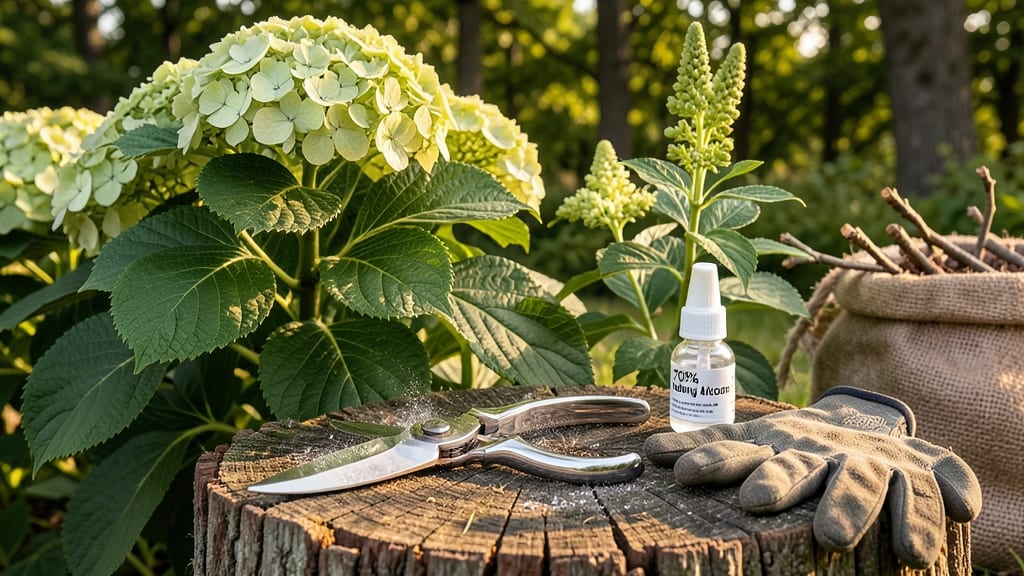
Cutting hydrangea flowers at the right time ensures next year’s blooms — and skipping the window can leave you with bare stems or stunted growth.
Picture this: You’ve just pruned your 🌸 hydrangeas in late summer, only to wake up the following spring with no buds forming. That’s the risk when you prune at the wrong time, especially for mophead varieties that bloom on last year’s wood.
Timing isn’t just a detail; it’s the difference between a lush, flower-filled shrub and a sad, leafless skeleton.
Most gardeners in USDA Zone 6a should tackle pruning in late winter or early spring, just as new growth begins. But panicle hydrangeas? They play by different rules, thriving when you cut them back in March or April to encourage fresh stems.
Oakleaf varieties are even more forgiving, but even they need a little strategy to keep their blooms coming.
Below, I’ll break down the exact moments to prune—whether you’re deadheading spent blooms or giving your shrub a full rejuvenation cut—and how to avoid the three biggest mistakes that turn hydrangeas into stick figures. Ready to keep your 🌸 hydrangeas flourishing?
Best time to prune hydrangeas by type: mophead vs panicle vs oakleaf
Hydrangeas are stunning additions to any garden, but their pruning needs vary dramatically by type. Mophead hydrangeas (like 'Endless Summer') bloom on old wood, while panicle hydrangeas (such as 'Limelight') thrive on new growth. Oakleaf varieties fall somewhere in between, requiring careful timing.
Prune at the wrong time, and you could sacrifice next year’s blooms—or worse, stress your plant. Let’s break down the critical pruning windows for each type, so you never guess again.
Understanding your hydrangea’s blooming habit is the first step. Old wood bloomers (mophead and oakleaf) set buds in late summer or fall, meaning you must wait until after they flower to prune. New wood bloomers (panicle) produce buds on current season’s growth, so you can prune them early in the year without risk.
Skipping this step often leads to confused gardeners cutting back too early or too late, which can mean no flowers next season or even plant decline.
Here’s the key: Visual cues matter. Look for dormant stems in late winter or brown, dried flower heads in fall. These signals tell you when it’s safe to prune. For mophead hydrangeas, wait until late spring or early summer after blooms fade.
For panicle types, prune in late winter or early spring before new growth starts. Oakleaf hydrangeas are a bit more flexible but still prefer pruning after flowering.
If you’re in USDA Zone 6 or colder, aim to prune mophead hydrangeas in May or June. This gives buds time to form before winter.
For panicle types, prune in February or March while the plant is still dormant. Oakleaf hydrangeas can handle a bit more flexibility—prune in late spring after blooms fade or in early fall if you prefer a cleaner look before winter.
Regional differences matter too. In warmer climates (Zones 7-9), prune mophead hydrangeas slightly earlier, around April or May, to avoid summer heat stress. Panicle hydrangeas in these zones can even be pruned lightly in early summer to shape them without harming blooms.
Always check for new buds forming—if you see green swellings on stems, hold off on pruning!
One common mistake is pruning mophead hydrangeas in late winter or early spring. This removes the old wood buds that will bloom later that year.
Instead, wait until after the flowers fade (usually July or August) to prune back 1/3 of the oldest stems to the nearest bud or branch.
For panicle types, you can be more aggressive—cut back up to 1/3 of the plant in late winter to encourage fuller growth.
For oakleaf hydrangeas, focus on shaping rather than heavy pruning. These varieties bloom on both old and new wood, so avoid drastic cuts. Prune in late spring or early fall to remove dead or crossing branches and improve airflow.
This keeps the plant healthy and encourages vibrant fall foliage, which is just as stunning as the flowers.
Pro tip: Use sharp, clean pruners and make cuts at a 45-degree angle just above a bud or
Step-by-step guide to pruning hydrangeas without killing next year’s flowers
Pruning hydrangeas correctly ensures vibrant blooms next season, but timing and technique make all the difference. Most gardeners focus on when to prune, but how you cut is just as critical. For example, mophead hydrangeas bloom on old wood, so cutting too late removes next year’s flower buds.
Meanwhile, panicle hydrangeas thrive when pruned in late winter to encourage fresh growth. Let’s break down the exact steps to keep your shrubs healthy and flowering.
Before you grab your pruners, gather the right tools: sharp bypass pruners for clean cuts, hand pruners for smaller branches, gloves to protect from thorns, and disinfectant to prevent disease spread.
Safety first—especially with large hydrangeas, which can be heavy when fully grown. Now, let’s dive into the step-by-step process to prune like a pro.
When to Cut Hydrangea Flowers: Step-by-Step Timing Guide
- Step 1: Wait Until Late Winter or Early Spring (February–March in USDA Zone 6a). Prune mophead and oakleaf hydrangeas before buds swell but after the last frost. This ensures you don’t accidentally cut off next year’s blooms.
- Step 2: Prune Panicle Hydrangeas in March or April. These bloom on new wood, so cutting them back early encourages lush, fuller growth. Aim for 3–4 buds from the base of each stem.
- Step 3: Deadhead Spent Blooms in Fall (Optional). For panicle hydrangeas, you can trim back wilted flowers in late fall to tidy up the plant, but avoid pruning mophead or oakleaf varieties until spring.
- Step 4: Shape the Shrub After Pruning. Step back and assess the plant’s shape. Remove crossing or weak branches to improve airflow and sunlight penetration. This keeps the plant healthy and bushier.
- Step 5: Clean Up and Fertilize. Remove all pruned branches and debris from the area to prevent disease buildup. After pruning, apply a balanced fertilizer (like 10-10-10) to support new growth.
One of the biggest mistakes gardeners make is over-pruning. If you cut back too aggressively, your hydrangea may struggle to recover, especially in cooler climates. For mophead varieties, never cut more than 1/3 of the plant at once.
Instead, focus on removing dead or diseased branches first, then shape the shrub gently.
Another common error is pruning at the wrong time of year. For instance, cutting back mophead hydrangeas in summer removes the current year’s blooms and next year’s buds. Always wait until the plant is dormant or just waking up in spring.
If you’re unsure whether your hydrangea blooms on old or new wood, check the stem color: green stems mean new growth, while brown or woody stems indicate old wood.
For large hydrangeas, safety is key. Use a stable ladder if needed, and always prune from the top down to avoid damaging lower branches. If your hydrangea is overgrown, consider rejuvenation pruning—cutting back 1/2 to 2/3 of the plant in stages over 2–3 years.
This gives the plant time to recover while still producing flowers. Always water deeply after pruning to help the plant bounce back.
Finally, keep an eye on your hydrangea after pruning. If the leaves yellow or wilt, it may be stressed from over-pruning or drought. Adjust your watering schedule and monitor for pests like aphids or spider mites, which love stressed plants.
With the right timing and care, your hydrangeas will reward you with show-stopping blooms all season long. 🌸