
Flowers
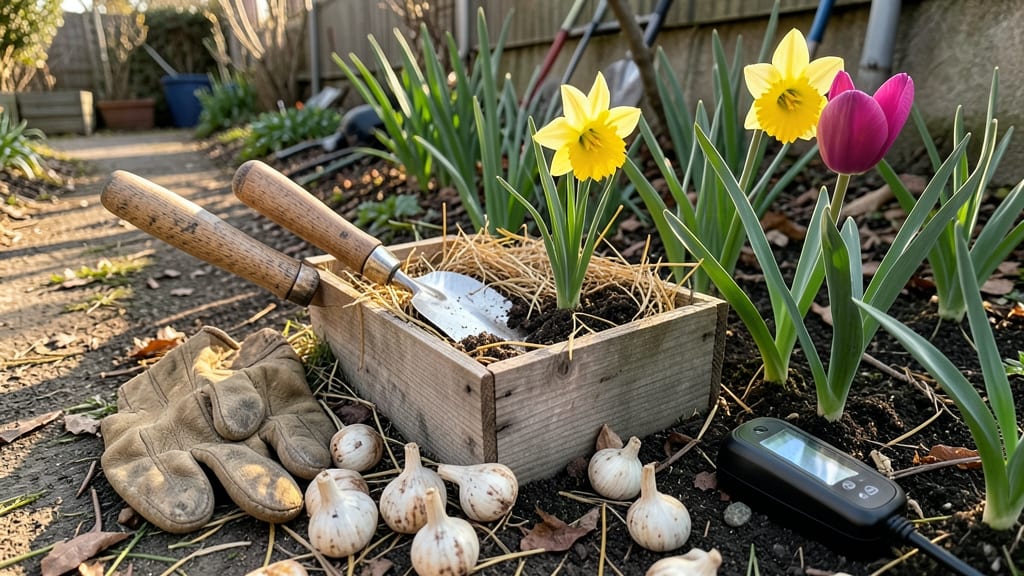
Planting flower bulbs 🌷 in autumn is all about timing—get it right, and you’ll enjoy vibrant spring blooms; miss the window, and frost will leave you with nothing but disappointment.
Picture this: you’ve dug the hole, tucked in your bulbs, and covered them with soil, only to wake up to a surprise frost that freezes them solid before they even sprout. That’s why knowing exactly when to plant is the key to success.
In USDA Zone 6a (like much of the Midwest and Northeast), aim to plant 6-8 weeks before your first frost, typically between mid-September and early November. But timing shifts depending on your region—whether you’re in a warmer Zone 8 or a colder Zone 4.
Below, I’ll break down the perfect planting window for your zone, share soil prep secrets, and reveal how to protect your bulbs from early frost—so you can wake up next spring to a garden bursting with color.
USDA Zone-specific autumn planting dates for flower bulbs
Autumn is the perfect time to plant flower bulbs, but timing varies dramatically by USDA zone. Planting too early risks rot, while waiting too long exposes bulbs to frost damage before roots establish.
The key is planting 6-8 weeks before your first frost date, giving bulbs time to develop roots while avoiding winter freezes. Let’s break down the ideal planting windows for each zone to ensure your tulips, daffodils, and hyacinths thrive next spring.
In colder zones (3-5), where winters are harsh, aim for early autumn planting—late August to mid-September. Warmer zones (6-11) offer more flexibility, with ideal windows stretching into November.
However, even in mild climates, planting too late can leave bulbs vulnerable to soil temperature fluctuations and poor root growth. Check your local frost dates and adjust accordingly.
Here’s your zone-by-zone guide to autumn bulb planting, including early and late windows for optimal success:
For example, in Zone 5, planting tulip bulbs by September 15 ensures roots establish before winter, while in Zone 9, you can plant daffodils as late as November 15 without frost concerns.
Always check your local average first frost date—this is your deadline for planting. Use the National Weather Service or local gardening extensions for precise dates.
Soil temperature is just as critical as air temperature. Bulbs need 60°F soil to start rooting but should not be planted in soil warmer than 70°F.
In hotter zones (8-11), early autumn planting (October) avoids heat stress while still allowing root growth before winter. Use a soil thermometer to monitor temperatures if unsure.
Pro tip: Late autumn planting (November-December in mild zones) can still work for hardy bulbs like crocuses and snowdrops, but avoid it for tender varieties like hyacinths.
These bulbs need chilling time to bloom, so planting too late may delay or prevent flowering. Always prioritize root establishment over early planting.
If you’re in a transition zone (e.g., Zone 6b), err on the earlier side—September 20 is safer than November. Unpredictable weather can push frost dates earlier, and bulbs won’t survive if frozen before roots form.
For extra protection, mulch planted bulbs with 2-3 inches of straw or leaves after planting to insulate
Critical factors that determine your perfect planting window
Your perfect planting window for autumn flower bulbs isn't just about the calendar—it's a delicate balance of soil temperature, local frost dates, and the specific needs of your bulbs.
Tulips, daffodils, and hyacinths all have different chilling requirements, meaning they need varying amounts of cold exposure to bloom properly. Plant too early, and your bulbs might sprout before winter sets in, only to be killed by frost.
Plant too late, and they won't get enough cold to trigger spring growth.
For example, daffodils are the most frost-tolerant, often handling early planting, while hyacinths need cooler soils and may struggle if planted too soon. Meanwhile, tulips fall somewhere in between but can be finicky if the ground stays too warm.
Understanding these nuances ensures your bulbs establish strong roots before winter dormancy begins.
Soil temperature is your most reliable guide. Most flower bulbs thrive when soil temps drop to below 60°F (15°C) but haven't yet frozen. Use a soil thermometer to check—this is especially critical in warmer zones like USDA Zone 8 or 9, where autumn can linger well into November.
In colder zones (USDA Zone 4 or 5), you might need to plant as early as September to avoid early frosts.
🌱 5 Key Factors for Perfect Autumn Planting
- 1. Soil Temperature: Aim for 50-60°F (10-15°C)—bulbs need cool soil to root but not freeze.
- 2. Frost Dates: Plant 6-8 weeks before your region's first hard frost (check USDA Zone maps).
- 3. Bulb Type: Daffodils (hardy) → Hyacinths (cooler soil) → Tulips (moderate).
- 4. Moisture Levels: Soil should be moist but not soggy—bulbs rot in waterlogged conditions.
- 5. Local Microclimates: Slopes, shade, or urban heat can shift your ideal window by 2-4 weeks.
Don't overlook local microclimates—your garden might experience warmer or cooler pockets than the general zone average. For instance, a south-facing slope warms up faster in autumn, while a shady corner stays cooler longer.
Adjust your planting timeline accordingly: push back in warm spots and plant earlier in cooler areas. Even a 5°F (3°C) difference can mean the difference between success and failure.
Another pro tip: Test your soil before planting. Bulbs prefer well-draining soil with a pH between 6.0 and 7.0. Amend heavy clay with compost or sand, and avoid planting in low-lying areas where water pools.
A quick percolation test (dig a hole, fill with water, and time how fast it drains) can save you from soggy, failed bulbs. Once planted, mulch with 2-3 inches of straw to insulate roots and retain moisture.
Finally, remember that bulb size matters. Larger bulbs (like 12/14 size daffodils) establish faster and handle slightly later planting than smaller ones. If you're in a warmer zone and miss the ideal window, opt for pre-chilled bulbs or plant in containers to control soil temps.
With these factors in mind, you’ll nail your planting schedule and wake up to a garden bursting with spring color.