
Flowers
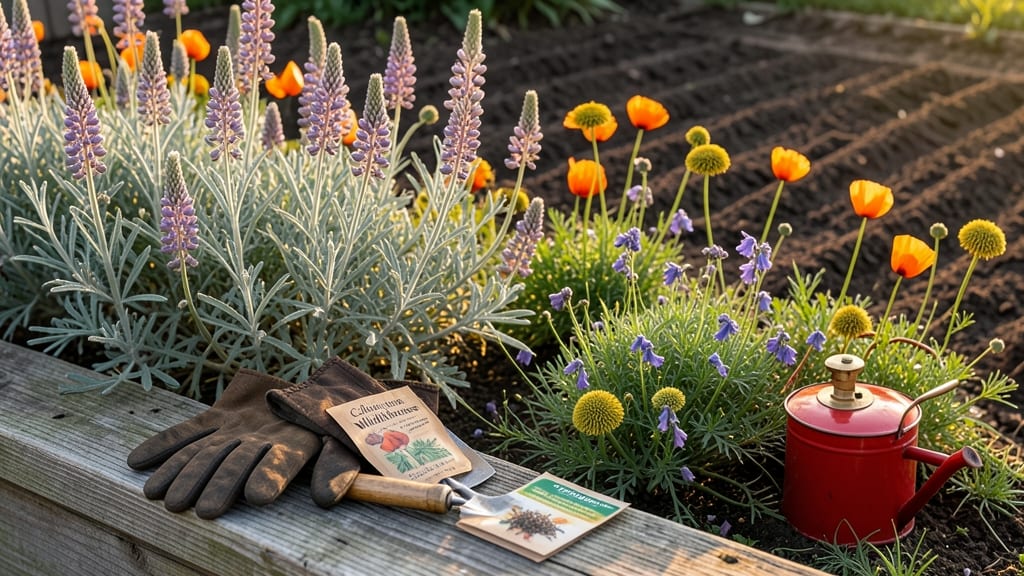
Planting flowers in California at the right time means the difference between a vibrant garden and a sad, wilted mess—especially when your coastal neighbor’s year-round blooms put your inland garden to shame.
California’s climate is a patchwork of micro-zones: coastal fog keeps San Francisco’s gardens lush in winter while the Central Valley bakes by May. Get the timing wrong, and you’ll either freeze tender annuals or watch them bolt in the heat.
The key? Knowing when to plant for your exact zone—whether you’re in Zone 9b’s never-ending summer or the Sierra Foothills’ 150 frost-free days.
Here’s the breakdown: coastal gardeners can plant almost anytime, but inland growers need to time it to avoid the November frost that catches so many off guard. We’ll cover the exact months for annuals, perennials, and bulbs—plus the one trick that saves desert blooms from summer drought.
Ready to turn your garden into a nonstop parade of color? Let’s dive into the planting calendar that finally makes sense for your corner of California.
California planting zones: coastal vs inland flower planting months explained
California’s diverse microclimates create unique challenges for gardeners. The coastal regions like San Francisco enjoy mild, foggy summers, while inland areas such as the Central Valley experience scorching heat. Understanding these differences is key to planting flowers at the right time for maximum blooms and minimal stress on your plants.
With 9 distinct USDA planting zones across the state, timing varies dramatically. Coastal areas (like Zone 9b-10a) can plant year-round, while inland deserts (like Zone 11) require precise fall/winter scheduling. Let’s break down the optimal planting windows for annuals, perennials, and bulbs in each zone.
| Zone | Coastal (Mild) | Inland (Hot/Dry) | Best Planting Months | Key Notes |
|---|---|---|---|---|
| Annuals | Year-round | Fall (Sept-Nov) | Mar-May, Sept-Nov | Coastal: Succession plant. Inland: Avoid summer heat. |
| Perennials | Fall (Sept-Nov) | Fall (Oct-Nov) | Oct-Nov (established) | Cooler roots establish better before summer. |
| Bulbs | Fall (Oct-Nov) | Fall (Oct-Nov) | Oct-Nov (spring blooms) | Coastal: Tulips, Dahlias. Inland: Avoid summer-dormant bulbs. |
| Succulents | Spring (Mar-May) | Fall (Sept-Oct) | Mar-May or Sept-Oct | Inland: Plant before summer heat. Coastal: Year-round. |
| Vegetable Flowers | Spring (Feb-Apr) | Fall (Aug-Sept) | Feb-Apr or Aug-Sept | Coastal: Broccoli, Cauliflower. Inland: Avoid summer planting. |
For coastal gardens, the foggy summers mean you can plant annuals like impatiens or petunias almost year-round. However, even in Zone 10a, a light frost can occur in January, so protect tender plants like tropical hibiscus with frost cloth.
In contrast, inland zones like Zone 9a (Central Valley) require fall planting to avoid 100°F+ summer heat.
One of my biggest tips is to adjust for microclimates. For example, San Diego (Zone 10a) can grow tropical flowers like plumeria year-round, while just 30 miles inland in Escondido (Zone 9b), the same plant may struggle without winter protection.
Always check your local frost dates—even in coastal areas, Santa Cruz can see light frosts in December.
Bulbs like tulips and daffodils thrive when planted in fall (October-November) across all zones. However, coastal gardeners can also plant spring-blooming bulbs in winter (January-February) for later-season color. Inland gardeners should avoid summer planting of bulbs, as the heat can cause them to rot before blooming.
For perennial flowers, the rule is to plant when the soil temperature drops below 75°F.
This usually means September-October for inland areas and October-November for coastal regions. Lavender, for example, needs well-draining soil and full sun, making it ideal for inland zones where summers are hot and dry.
If you’re in a transition zone like Los Angeles (Zone 10a-11), you’ll need to strategize carefully. Plant heat-loving flowers like portulaca in spring and cool-season bloomers
Best flowers to plant by season in California (with exact timing)
California’s Mediterranean climate and diverse microclimates mean your flower garden can bloom year-round—but timing is everything. Whether you’re in foggy San Francisco or sunbaked Palm Springs, planting at the right time ensures vibrant blooms and healthy plants.
Let’s break down the best flowers to plant each season, with exact months tailored to your region.
For coastal areas (like San Diego or Monterey), mild winters allow year-round planting, while inland valleys (like Sacramento or Fresno) need careful timing to avoid frost. Desert regions (like Yuma or Palm Springs) thrive with fall planting for winter blooms. Let’s dive into the seasonal schedule.
For coastal gardeners, focus on water-wise annuals like calendula and sweet peas, which thrive in the mild, moist climate. These plants bloom prolifically with minimal care, making them ideal for low-maintenance gardens.
In contrast, inland zones benefit from drought-tolerant perennials such as sage or salvia, which require less water once established.
Pro tip: Mulch heavily in summer to retain moisture, especially in desert regions. Use 3-4 inches of mulch around succulents and lavender to protect roots from extreme heat. Coastal areas can use organic mulch like straw to improve soil health over time.
Don’t forget to deadhead spent blooms regularly to encourage continuous flowering. This simple task extends the blooming season for annuals like marigolds and zinnias by up to 4-6 weeks. Pair high-water plants (like hydrangeas) with drought-tolerant companions (like verbena) to create a balanced, sustainable garden.
With these seasonal guidelines, your California garden will burst with color year-round—whether you’re in sunny Southern California or foggy Northern California. Happy planting! 🌸