
Flowers
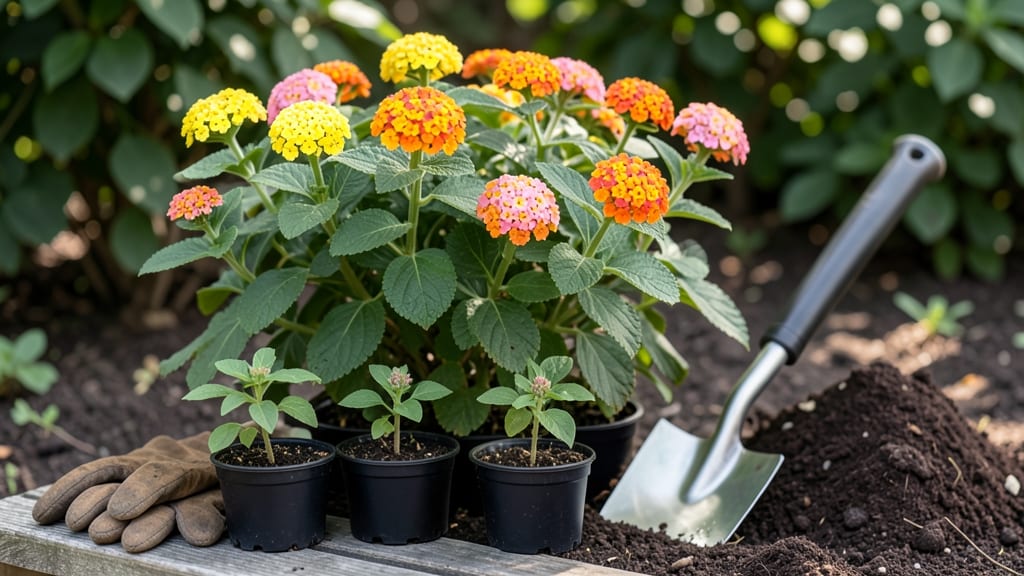
To plant flowers in Houston, aim for fall September–November or spring February–April—timing that avoids the brutal summer heat and maximizes bloom potential.
Houston’s scorching summers and mild winters make timing your flower planting crucial—get it wrong, and your blooms may wilt before they even begin. But with the right heat-zone strategy, you can enjoy vibrant color year-round without the guesswork.
Most annuals and perennials thrive when planted in early spring, just after the last frost around mid-January, or in fall for a head start on spring blooms.
Native varieties like blackfoot daisy or Mexican feather grass are perfect for Houston’s climate, while drought-resistant options like lantana or salvia keep your garden lush even in the hottest months.
In this guide, I’ll break down the best planting windows for each season, share heat-resistant picks, and give you pro tips to extend bloom times—so you can keep your garden bursting with color all year.
Houston’s heat-zone planting calendar: month-by-month flower schedule
Houston’s USDA Zone 8b/9a climate means we can grow flowers year-round, but the key is timing. Plant too early, and your tender annuals will fry in summer heat.
Plant too late, and fall bloomers might not establish before frost. The secret? Two main planting windows: early spring and late summer/fall.
For spring blooms, start seeds indoors in January or transplant cool-season flowers in February–March. For fall color, focus on September–October plantings to beat the first frost (usually mid-December). Native Texas plants like Mexican Feather Grass and Blackfoot Daisy thrive in this schedule.
Heat tolerance is critical—most annuals wilt above 95°F. Choose heat-resistant varieties like Lantana or Zinnias for summer, and Mums or Salvias for fall. Bulbs like Dahlias need well-draining soil to avoid rot in Houston’s humidity.
Soil temperature matters too. Use a soil thermometer—ideal planting temps are 60–70°F. In Houston, this means avoid planting seeds outdoors before March 15. For container gardening, you can push boundaries slightly, but root development slows below 50°F.
| Month | Plant Type | Ideal Planting Window | Heat Tolerance | Notes |
|---|---|---|---|---|
| January | Cool-Season Annuals | Start indoors | Moderate (50–80°F) | Pansies, Snapdragons |
| February–March | Spring Bloomers | Transplant after frost | Moderate (55–85°F) | Petunias, Marigolds |
| April–May | Heat-Resistant Annuals | Direct sow after soil warms | High (85–100°F) | Lantana, Zinnias |
| June–July | Summer Succession | Sow every 2 weeks | Very High (90–105°F) | Sunflowers, Cosmos |
| August–September | Fall Perennials | Transplant 6–8 weeks before frost | Moderate (60–85°F) | Mums, Salvias |
| October–November | Bulbs & Winter Flowers | Plant before ground freezes | Low (40–70°F) | Crocuses, Pansies |
In January–February, focus on cool-season flowers like Pansies and Violas. These handle 50–60°F nights but will bolt in heat. Start Dahlias indoors in February for summer blooms. Mulch heavily to protect roots from temperature swings.
By March 15, Houston’s soil warms enough for warm-season annuals. Plant Marigolds and Petunias directly outdoors. For container gardens, use self-watering pots to handle summer evaporation. Avoid planting seeds in June—they’ll rot in 100°F+ soil.
September is your second planting window. Choose heat-tolerant perennials like Blackfoot Daisy or Mexican Bush
Best flowers for Houston’s extreme heat and humidity: seasonal picks
Houston’s heat and humidity can be brutal on flowers, but the right seasonal picks thrive year-round. Native Texas varieties and drought-resistant species are your best allies for vibrant blooms that withstand 90°F+ temperatures and high humidity.
For spring planting (February–April), focus on heat-tolerant annuals like Mexican sunflower and zinnia, while fall planting (September–November) sets up perennials like blackfoot daisy and salvia for next year’s blooms.
- 🌸 Spring (Feb–Apr): Mexican sunflower (heat-resistant), zinnia (long bloom), lantana (drought-proof)
- ☀️ Summer (May–Aug): Portulaca (succulent-like), gaillardia (drought-tolerant), salvia (humidity-loving)
- 🍂 Fall (Sep–Nov): Blackfoot daisy (native), Mexican feather grass (ornamental), mums (cool-season blooms)
- ❄️ Winter (Dec–Jan): Pansies (cool weather), snapdragons (light shade), calendula (edging)
For shade-loving options, try impatiens or begonias in Houston’s humid afternoons. These thrive under 4–6 hours of morning sun and avoid wilting in the heat.
Mulch with 2–3 inches of organic mulch to retain moisture and protect roots. Water deeply in the early morning to reduce evaporation and fungal risks.
Native Texas plants like Mexican feather grass and autumn sage require minimal care and attract pollinators. Pair them with drought-tolerant annuals like gaillardia for a low-maintenance, high-impact garden.
Deadhead spent blooms regularly to encourage continuous flowering—especially for lantana and zinnia, which reward pruning with bushier growth and more blooms.