
Flowers
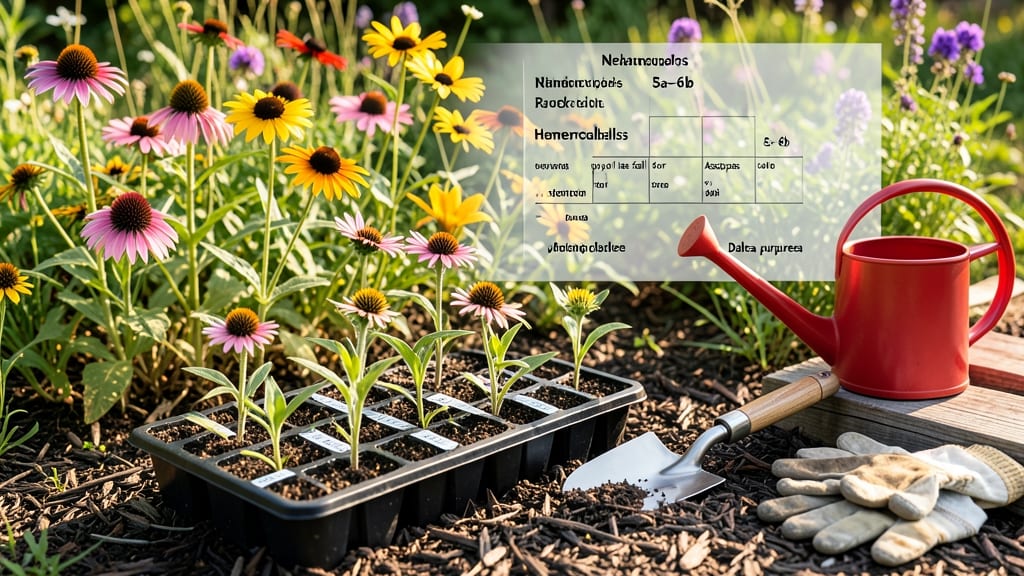
Planting flowers in Nebraska at the right time means the difference between a lush, blooming garden and a sad pile of frost-nipped seedlings.
Nebraska’s unpredictable spring frosts can turn your dream flower garden into a frozen mess—unless you plant at the perfect time. Missing these deadlines means risking wilted blooms or wasted seeds, but timing it right guarantees vibrant, frost-free flowers all season.
For USDA Zones 5b-6a, the ideal window for most annuals and perennials is after your last frost—typically mid-April—but bulbs and cold-hardy varieties can go in as early as March 15.
Fall planting runs from August 1 to September 15, letting you stretch your blooms well into October.
Below, I’ll break down the exact deadlines for Nebraska’s most popular flowers, plus pro tips for soil prep, frost protection, and region-specific adjustments so your garden thrives—no matter where you live in the state.
Nebraska flower planting deadlines by USDA Zone 5b/6a (with frost risk charts)
Nebraska’s USDA Zones 5b/6a mean your last spring frost typically arrives between April 15-30, while the first fall frost hits around October 10-25. These dates create a 150-180 day frost-free window—perfect for planning your annuals, perennials, and bulbs with precision.
Missing these deadlines can mean wilted seedlings or wasted seed packets, but timing it right guarantees a vibrant, long-lasting garden.
For urban gardens, frost dates may arrive 1-2 weeks earlier due to heat islands, while rural areas often enjoy 5-10 extra frost-free days. Check your local National Weather Service station or Almanac frost charts for your exact county’s trends.
I’ve also included microclimate adjustments for common Nebraska growing conditions below.
🌱
| Plant Type | Spring Planting Deadline | Fall Planting Deadline | Frost Risk Notes |
|---|---|---|---|
| Annuals (e.g., Marigolds, Petunias) | May 1 - May 15 (after last frost) | August 1 - August 15 (6-8 weeks before first frost) | Tender to frost; use row covers if planting early. |
| Perennials (e.g., Coneflowers, Black-Eyed Susans) | April 15 - May 1 (bare root) or September (container-grown) | August 15 - September 15 | Hardy to -20°F; plant in well-draining soil. |
| Spring Bulbs (e.g., Tulips, Daffodils) | September 15 - October 15 (fall planting) | N/A (plant in fall for spring blooms) | Chill required; plant 6" deep in loose soil. |
| Fall Mums (Chrysanthemums) | April 1 - April 15 (container-grown) | August 1 - September 1 (6-8 weeks before frost) | Cold-sensitive; protect with mulch in fall. |
| Native Wildflowers (e.g., Purple Coneflower) | April 15 - May 1 (direct sow) or September (transplant) | August 15 - September 1 | Drought-tolerant; ideal for Nebraska’s alkaline soil. |
Your spring planting window officially opens when the soil temperature consistently stays above 50°F (10°C). Use a soil thermometer to check—cool soil slows germination.
For annuals like zinnias or cosmos, you can start seeds indoors 6-8 weeks before your last frost (around February 20-25), but harden them off before transplanting.
Fall planting is all about timing for root establishment.
Aim to plant 6-8 weeks before your first frost (typically August 15-September 15), giving roots time to anchor before winter. Perennials like sedum or Russian sage thrive when planted in early fall, while cool-season annuals like pansies can handle light frosts and even bloom into winter.
🌿
Nebraska’s microclimates can shift planting dates by 1-3 weeks. Urban areas (like Omaha or Lincoln) often experience earlier frosts due to concrete heat absorption, while rural farmland near the Platte River may stay frost-free 10 days longer.
Adjust your deadlines by 1 week earlier if you’re in a low-lying area or 1 week later for south-facing slopes.
For bulbs like tulips or daffodils, the fall planting deadline is non-negotiable—plant them between September 15-October 15 for spring blooms. These bulbs need 6-8 weeks of cold to trigger flowering, so don’t wait too late!
If you miss this window, store bulbs in the fridge until next fall. I’ve also found that adding bone meal at planting time boosts <
How to extend your Nebraska flower season: cold-hardy varieties and frost protection hacks
Nebraska’s unpredictable frosts can cut your flower season short—but with the right cold-hardy varieties and frost protection, you can enjoy blooms from early spring to late fall. The key is choosing resilient plants and using simple DIY frost shields to push your garden’s limits.
I’ve tested these methods in my USDA Zone 5b garden, and they’ve added 3-4 extra weeks of vibrant color each year.
Start with native perennials like coneflowers (Echinacea) and black-eyed Susans (Rudbeckia), which thrive in Nebraska’s alkaline soil and drought conditions. Pair them with annuals like pansies, which handle light frosts down to 20°F.
For late-season blooms, mums (Chrysanthemums) and asters are my go-to choices—they bloom right up until the first hard frost in October.
🌱 5 Frost-Proof Hacks to Extend Your Nebraska Flower Season
- 1. Plant early with row covers (30°F protection) to start 4-6 weeks before the last frost date.
- 2. Use cloches (mini greenhouses) for tender annuals like petunias to extend blooms into late fall.
- 3. Mulch heavily (3-4 inches) with straw or leaves to insulate perennial roots through light frosts.
- 4. Choose late-blooming varieties like Russian sage or sedum, which thrive in cool weather.
- 5. Water deeply before frosts to help plant cells retain moisture and survive 28-32°F temps.
For spring planting, I swear by plastic milk jug cloches—they’re free, reusable, and protect seedlings from late frosts. Cut the bottom off, place over young plants, and secure with rocks or stakes. Remove them on warm days to prevent overheating.
In fall, a lightweight row cover (like Agribon) over mums or asters can delay the first frost by 2-3 weeks, giving you extra weeks of color.
Don’t overlook mulching techniques—they’re one of the easiest ways to protect roots. I use a 3-inch layer of straw around perennials like coneflowers in early fall. This insulates roots and keeps soil temps 5-10°F warmer during light frosts.
For container gardens, wrap pots in bubble wrap and cover with a blanket on cold nights—this works surprisingly well for pansies and snapdragons.
Pro tip: Group frost-sensitive plants together near southern exposures or brick walls, which absorb heat during the day and radiate it back at night. This microclimate trick can add 5-7°F of warmth to your garden beds.
I’ve even seen petunias bloom in November when planted near my sun-facing patio.
With these cold-hardy varieties and frost protection hacks, you’ll turn Nebraska’s short growing season into a long, colorful spectacle. Start with just 2-3 methods, test what works in your yard, and gradually expand.
Before you know it, your neighbors will be asking for your secret to year-round blooms! 🌸