
Flowers
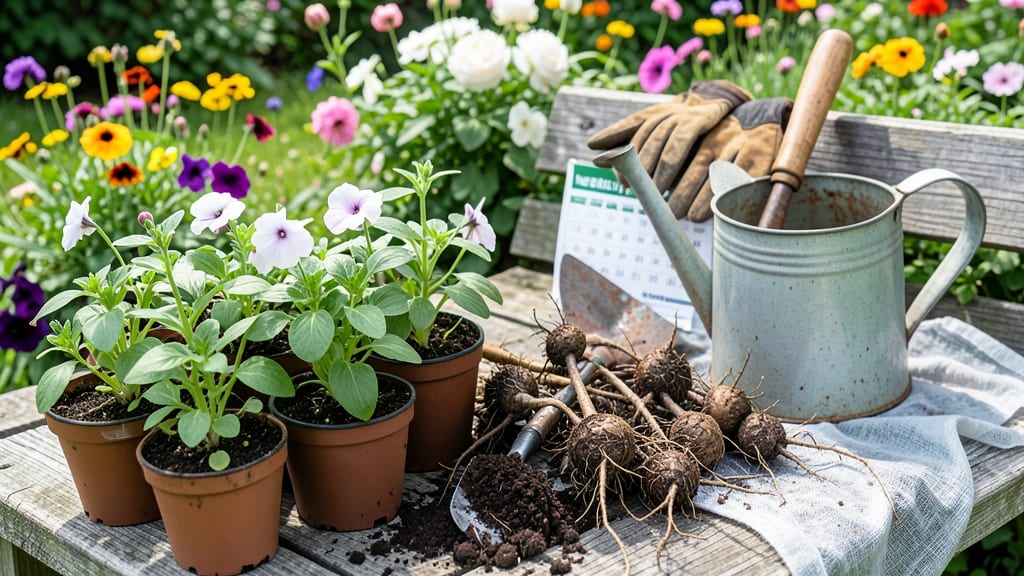
To plant flowers in Ohio, aim for after the last frost date—typically mid-April in most of Zone 6a—when soil warms to 50°F or higher.
Ohio’s unpredictable frost dates can make or break your flower garden—plant too early, and you risk losing delicate blooms to late freezes. But with the right timing, you can enjoy vibrant 🌸 all season long.
Whether you’re planting hardy perennials like coneflowers or tender annuals like marigolds, the key is understanding your local frost averages and soil conditions. A little prep goes a long way in ensuring your garden thrives.
Below, I’ll break down the best planting windows for spring, summer, and fall flowers, plus smart strategies to extend your blooms—even if Mother Nature throws a curveball.
Ohio flower planting calendar: exact dates by Zone 5B/6A and flower type
Ohio’s Zone 5B/6A climate means your flower planting schedule hinges on last frost dates that vary by city. In Columbus, the average last frost falls around April 15, while Cleveland sees it slightly later—April 22. Cincinnati gardeners typically wait until April 10.
These dates separate success from disappointment for tender annuals like petunias or cool-season perennials like peonies.
For bulbs like tulips, timing matters just as much. Plant them in fall (October) for spring blooms, but spring-blooming bulbs like daffodils can handle early spring planting (March) once soil temps hit 50°F.
Perennials like coneflowers are more forgiving—they thrive when planted in spring or early fall, giving you two chances to get it right.
Here’s your Ohio flower planting calendar broken down by type and frost-free windows:
| Flower Type | Planting Window (Zone 5B/6A) | Key Notes | Ohio City Deadlines |
|---|---|---|---|
| Annuals (Tender) | After May 1 (or 2 weeks after last frost) | Wait for soil temps ≥60°F. Avoid petunias, marigolds if planted too early. | Columbus: May 10 Cleveland: May 15 Cincinnati: April 25 |
| Perennials (Hardy) | Spring: April 15–May 15 or Fall: Sept 1–Oct 15 | Coneflowers, black-eyed Susans thrive in both windows. Peonies prefer spring. | All cities: April 15 (spring) Oct 1 (fall) |
| Spring-Blooming Bulbs | Fall: Oct 1–Nov 1 (for tulips, daffodils) or Spring: March 1–April 1 | Daffodils handle spring planting; tulips need fall. Soil temp ≥50°F. | Columbus: Oct 10 (fall) March 20 (spring) |
| Summer-Blooming Bulbs | Spring: April 15–May 1 (for dahlias, cannas) | Dahlias need warm soil and full sun. Plant after frost risk. | Columbus: April 25 Cleveland: May 1 Cincinnati: April 20 |
| Fall-Planted Bulbs | Fall: Sept 15–Oct 15 (for crocuses, hyacinths) | 6–8 weeks before first frost. Soil temp ≤60°F. | All cities: Sept 25 (fall) |
If you’re planting annuals like impatiens, don’t rush—wait until after May 1 in most of Ohio. These heat-loving flowers will wilt if exposed to late frosts. I’ve learned this the hard way after losing a $30 petunia bed to a May 5 freeze in Columbus!
For perennials, spring planting (April–May) gives roots time to establish before summer heat. But fall planting (September–October) is ideal for hardy varieties like daylilies, as cooler temps reduce stress. I always mark my calendar with city-specific dates to avoid overplanting or underplanting.
Ohio’s first frost typically arrives October 15, but tender plants like geraniums need to come indoors by September 15 in Zone 5B. Mums and asters, however, thrive in fall’s cooler temps and can handle light frosts.
I’ve seen New York mums bloom until November 1 with no issues.
Pro tip: Use row covers to extend your spring planting window by 2–3 weeks for frost-sensitive annuals. I’ve successfully planted calibrachoas in late April under covers, giving them a 2-week head start before removing the cover. Just remove covers on warm, sunny days to harden off plants.
For bulbs, timing is everything. Tulips and daffodils planted in fall need 6–8 weeks of chilling to bloom. If you miss the <
How to extend your Ohio flower season with smart planting strategies
Ohio’s Zone 5B/6A climate means we get late spring frosts and early fall chills, but that doesn’t mean your garden has to be seasonal. By choosing the right cold-hardy varieties and using strategic planting techniques, you can enjoy blooms from May through October—or even longer!
One of my favorite tricks is leveraging microclimates in your yard. A south-facing slope or a paved surface nearby (like a driveway) can create a warmer microclimate that delays frost by 1-2 weeks.
Even urban heat islands—like brick walls or rooftops—can give tender plants a few extra weeks of growing time.
- 1. Plant cold-hardy varieties like black-eyed Susans, coneflowers, and Russian sage, which tolerate 28°F temps. These thrive even after late frosts!
- 2. Use row covers (lightweight fabric) to protect tender annuals like marigolds or petunias from light frosts (28-32°F). Remove covers during the day for airflow.
- 3. Practice succession planting: Sow fast-growing annuals like zinnias or cosmos every 2-3 weeks from May through July to keep blooms coming.
- 4. Extend fall blooms by planting mums, astors, and pansies in early September. These handle light frosts and often rebloom in spring!
- 5. Mulch heavily in fall (3-4 inches) to insulate perennial roots. This delays dormancy and gives you extra weeks of color before winter.
Another game-changer is staggered planting. Instead of planting all your annuals at once, space them out in 2-3 batches. For example, plant sunflowers in early May, then again in late May. This ensures you’ll have blooms at different stages all summer long.
For tender perennials like dahlias or canas, start them indoors in late March and transplant after the last frost. If you’re worried about late frosts, keep them potted until mid-May and bury the pots in the ground for stability.
Don’t forget about overwintering bulbs like tulips or daffodils! Plant them in fall (October-November) so they establish roots before winter. In spring, they’ll pop up 2-3 weeks earlier than store-bought flowers, giving you a head start on the season.
With these strategies, you can turn Ohio’s short growing season into a long, colorful display. The key is observation—watch your local weather, adjust planting dates, and don’t be afraid to experiment! 🌷