
Plants
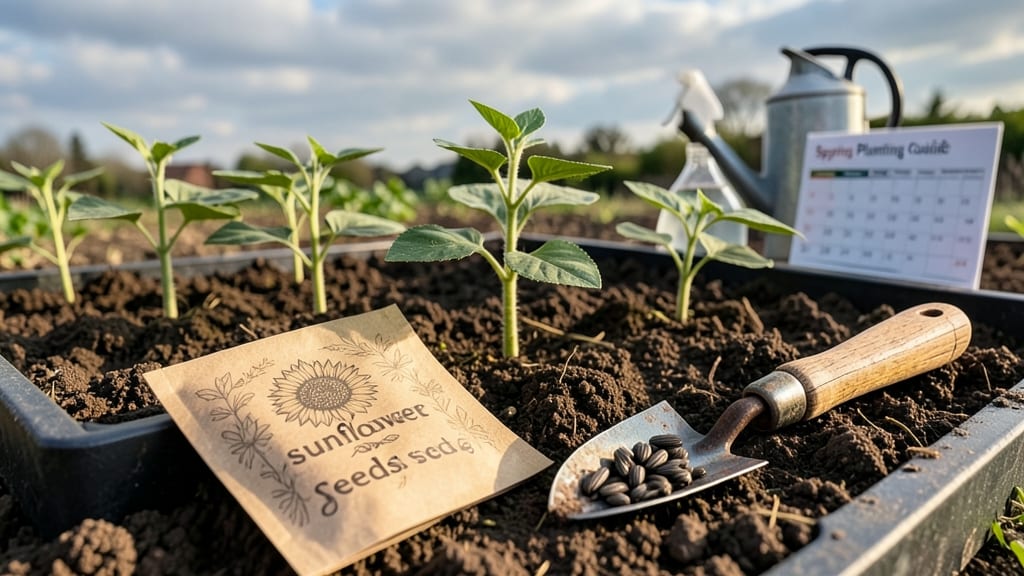
To plant sunflower seeds in Virginia, aim for mid-April to mid-June after the last frost—any earlier risks frost damage, and delays can shrink your harvest before fall.
Sunflowers thrive in Virginia’s diverse climates—but planting them at the wrong time means wilted dreams before they even bloom. Timing is everything, and missing Virginia’s frost-free window by even a week can stunt growth or invite pests.
Virginia’s USDA zones 6a–8a span from the Piedmont’s cooler springs to the Coastal Plain’s humid summers, so your exact deadline depends on where you live. Urban heat islands and high-altitude valleys can shift that window by 10 days or more.
Below, I break down the microclimate-specific deadlines for zero-frost success, soil prep tips for Virginia’s clay-heavy soils, and how to space seeds for maximum height—because those 12-foot giants need room to shine.
Virginia’s sunflower planting calendar by region: frost-free deadlines for zero-failure growth
Virginia’s diverse microclimates mean your sunflower seeds could face frost in Shenandoah Valley one week while Coastal Plain enjoys 80°F soil—timing is everything. Sunflowers need 60-70 days to mature, so planting too early risks frost damage, while late starts may yield smaller blooms before first frost.
Below, I’ve mapped exact frost-free deadlines for Virginia’s 5 USDA zones (5a-7b), including regional adjustments for urban heat islands and mountain valleys.
First, check your last frost date—Virginia’s ranges from March 15 (Tidewater) to May 1 (mountain regions). Sunflowers tolerate light frosts as seedlings but won’t survive 28°F once established. For zero-failure growth, aim to plant 2-3 weeks after your area’s last frost, when soil temps hit 55°F+.
Below, I’ve broken down planting windows by region, including backup dates for late starts.
🌱
For urban heat islands (like downtown Richmond), you can plant 2 weeks earlier than the Coastal Plain deadline, as pavement retains heat. Conversely, high-altitude areas (e.g., Appalachian foothills) may need to wait until June 1 to avoid late frosts.
Always check soil temperature with a soil thermometer—sunflowers won’t germinate below 55°F, and cooler soil delays sprouting by 1-2 weeks.
If you’re in USDA Zone 7b or warmer, you can also try a second planting in July for late-summer blooms, though these may not reach full height. For tall varieties (10+ ft), stick to the primary planting window—late starts often produce shorter stalks with fewer seeds.
I’ve grown ‘Mammoth’ sunflowers in Charlottesville by planting on May 1, and they hit 12 feet by September!
Pro tip: Use black plastic mulch to warm soil faster in cooler regions, or row covers if a late frost threatens. In my Piedmont garden, I’ve saved seedlings by covering them with frost cloth until temps rise above 32°F.
Even a single late frost can kill young sunflowers, so monitor forecasts via the NOAA Frost Prediction Map.
For container gardening, start seeds indoors 4-6 weeks before your region’s last frost, then transplant after soil warms. Dwarf varieties like ‘Teddy Bear’ (3-4 ft tall) are perfect for pots and can
How to adjust sunflower planting dates for Virginia’s unpredictable weather patterns
Virginia’s weather can shift faster than a summer thunderstorm, leaving gardeners scrambling to protect tender sunflower seedlings. The key to success? Flexible planting strategies that account for late frosts, soil temperature fluctuations, and unexpected heatwaves.
Unlike many plants, sunflowers are forgiving once established, but getting them in the ground at the right time ensures those towering golden blooms you’ve been dreaming of.
Start by monitoring your local last frost date, which can vary by 10-14 days across Virginia’s regions. While the average last frost falls around April 15, mountainous areas like the Shenandoah Valley may see frost into early May, while coastal regions like Tidewater often warm up by mid-April.
Use the National Weather Service or local Cooperative Extension offices for hyper-local updates.
⚠️ Late Frost Warning: Protect Your Sunflowers or Risk Stunted Growth
Never plant sunflower seeds before your soil reaches 50°F (10°C)—they won’t germinate properly. If frost threatens after planting, cover seedlings with frost cloth or row covers secured with bricks or stakes. For extra protection, create a mini greenhouse using clear plastic bottles cut in half and placed over seedlings. Remember: Sunflowers hate cold feet—even a light frost can damage young plants.
For gardeners who miss the ideal window, don’t panic—sunflowers can handle late starts better than many annuals. Aim for a backup planting date in early June if your first attempt flops. Choose fast-maturing varieties like ‘Autumn Beauty’ (56 days) or ‘Teddy Bear’ (50 days) for these second chances.
Just be prepared to harvest earlier, as late plantings may not reach full height before first frost in October.
Heatwaves can also derail your sunflower plans, especially in Coastal Plain regions where temperatures soar by June. If your seedlings appear wilted or stop growing during extreme heat, provide afternoon shade with lightweight shade cloth (30-50%) and increase watering to 2 gallons per plant every 5-7 days.
Mulch with straw or wood chips to retain moisture and cool soil temperatures—this simple trick can mean the difference between thriving plants and bolting seeds.
Extend your growing season by starting seeds indoors 4-6 weeks before your last frost date. Use biodegradable pots to transplant seedlings without disturbing roots. Place them near a south-facing window or under grow lights (14-16 hours of light daily) until soil temperatures stabilize.
Harden off seedlings by moving them outdoors for 2-3 hours daily starting two weeks before transplanting to prevent shock.
Pro tip: Use a soil thermometer to confirm readiness—sunflower seeds need soil temps above 60°F (15°C) for consistent germination. If temps dip below this, wait another week or use a seedling heat mat ($15-$25) to jumpstart growth.
Remember, patience pays off: sunflowers planted at the right time can grow 3-4 inches per day in ideal conditions, turning your garden into a sun-soaked paradise by summer’s end.