
Flowers
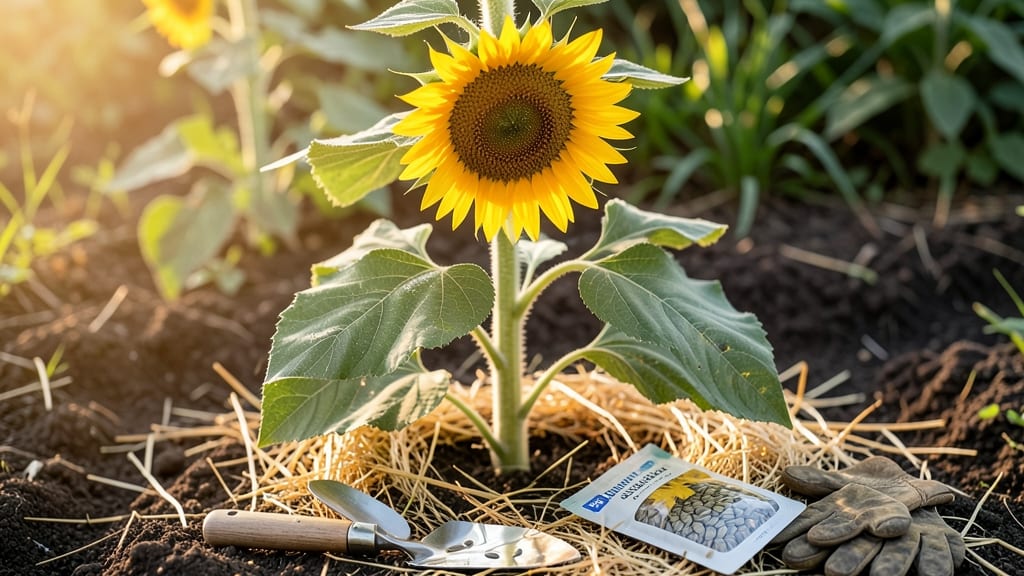
To plant sunflowers in Illinois, wait until after the last frost—typically mid-April to early June—when soil temperatures hit 55°F or warmer.
Sunflowers bring vibrant color and effortless beauty to any Illinois garden—but planting them too early or late can mean the difference between towering blooms and wilted disappointment. Timing is everything, especially when Illinois’ unpredictable spring frosts and soil temperatures come into play.
Most Illinois gardeners in zones 5-6 can start seeds directly in the ground once the soil is workable, usually by late April. For a head start, you can sow indoors 4-6 weeks before the last frost, though sunflowers rarely tolerate transplant shock well.
Below, I’ll break down the exact planting windows by region, soil prep tips to avoid common Midwest pitfalls, and how to choose the right sunflower varieties for your Illinois growing season.
Illinois sunflower planting dates by hardiness Zone (2024 guide)
Sunflowers thrive in Illinois’ sunny climate, but timing your planting can make or break their success. With USDA Zones 5-6 across the state, northern Illinois (Zone 5) faces later last frosts than southern Illinois (Zone 6).
Waiting until soil warms to 55°F+ and after the average last frost date ensures strong germination and growth.
Most Illinois gardeners opt for direct sowing in spring, as sunflowers dislike transplanting. However, starting seeds indoors 4-6 weeks before the last frost can extend your growing season for late varieties.
The key is balancing frost risk with soil warmth—plant too early, and cold soil stalls germination; too late, and you miss the full growing season.
Northern Illinois (Zone 5) typically has its last frost around April 15-May 1, while southern Illinois (Zone 6) sees frost-free conditions by March 25-April 15. Soil temperatures in Zone 5 often lag behind Zone 6 by 2-3 weeks, making timing critical for both regions.
Here’s how to align your planting with Illinois’ climate zones for optimal sunflower growth:
For direct sowing, aim to plant sunflower seeds 1 inch deep and 6 inches apart once soil temperatures consistently reach 55°F. In Zone 5, this often means waiting until mid-May, while Zone 6 gardeners can start as early as late April.
Use a soil thermometer to avoid guesswork—cold soil delays germination by weeks.
If you prefer transplanting, start seeds indoors 4-6 weeks before your last frost date. Harden off seedlings for 7-10 days before transplanting after the last frost.
However, sunflowers prefer direct sowing and often struggle when transplanted, so most Illinois gardeners skip this step unless extending the season for late varieties.
Regional microclimates also play a role. In northern Illinois, areas like Chicago and Rockford (Zone 5) may experience late frosts, while southern Illinois (near St. Louis and Carbondale) enjoys earlier planting.
Check your local Cooperative Extension Service for precise frost dates—these can vary by 5-10 days even within the same zone.
Pro tip: Plant a successive crop every 2 weeks from May to early June to enjoy blooms all summer. Shorter-season varieties like 'Teddy Bear' (50-60 days to maturity) work well for late plantings, while 'Mammoth Russian' (120+ days) needs an early start in Zone 5.
Watch for false springs—those warm spells in March or early April that trick you into planting. Sunflowers won’t germinate well in cold soil, so always verify soil temperature before committing. A simple soil thermometer ($10 at garden centers) is worth its weight in gold for Illinois gardeners.
Finally, account
How to prepare Illinois soil for sunflower success (before planting)
Sunflowers thrive in well-draining, nutrient-rich soil, but Illinois’ clay-heavy soil can pose challenges. Before planting, focus on improving drainage and adding organic matter to create the perfect foundation for your sunflowers. The key is balancing loose texture and fertility without overdoing it—sunflowers are surprisingly low-maintenance once established.
Start by testing your soil’s pH level—sunflowers prefer a range of 6.0 to 7.5. Illinois soils often lean acidic, so you may need to add lime if your pH drops below 6.0.
A simple soil test kit (available at garden centers) will give you precise results in minutes, saving you guesswork and wasted amendments.
⚠️ callout warning
Sunflowers are heavy feeders but hate excess nitrogen. Too much fertilizer leads to lush foliage but fewer blooms. Stick to a balanced 10-10-10 fertilizer at planting, then light feedings every 4-6 weeks. Organic options like composted manure or worm castings work best for Illinois gardens.
Next, break up compacted clay soil—a common issue in Illinois—that can strangle young roots. Use a broadfork or tiller to loosen the top 12 inches of soil, creating space for roots to expand.
If tilling isn’t an option, hand-dig with a spade to improve aeration. Mix in 2-3 inches of compost or well-rotted manure to boost organic matter and microbial activity.
For poor drainage, amend heavy clay with coarse materials like perlite or sand. Sunflowers dislike soggy roots, so raise beds slightly if your yard floods after rain. A 5% slope away from the planting area helps water drain efficiently.
Mulch with straw or wood chips after planting to retain moisture and suppress weeds—critical in Illinois’ hot summers.
Finally, avoid fresh manure or chemical fertilizers, which can burn tender sunflower roots. Instead, opt for slow-release organic matter like leaf mold or composted grass clippings. These improve soil structure over time while providing steady nutrients.
With the right prep, your Illinois sunflowers will grow taller and stronger, reaching their full potential by summer’s end.
🌱 Once your soil is prepped, you’re ready to plant sunflower seeds 1 inch deep and 6 inches apart, thinning seedlings to 12-24 inches as they grow. The right soil prep now means bigger blooms and fewer pests later in the season.