
Flowers
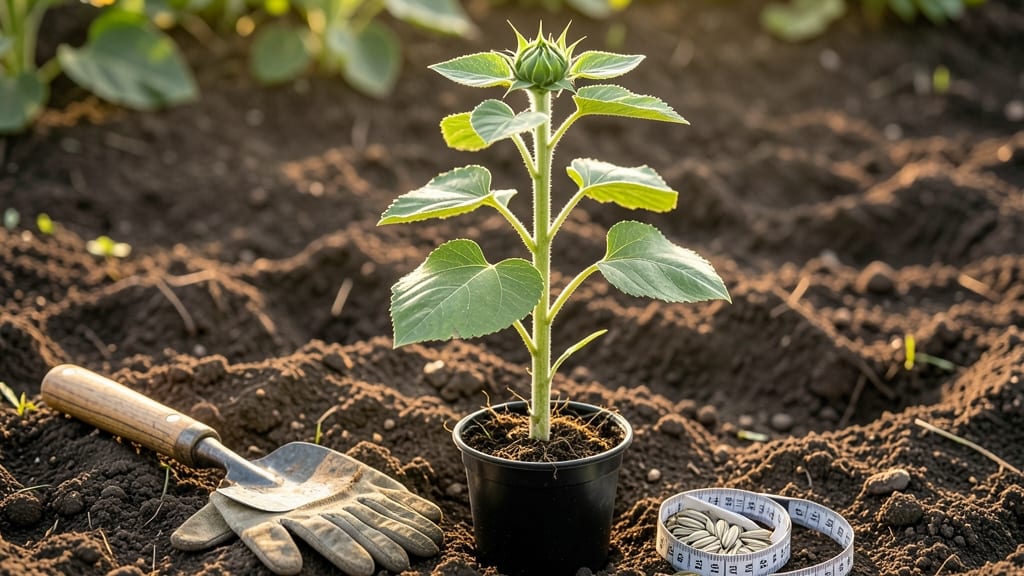
Plant sunflowers in Tennessee between mid-April and early June 🌻 to avoid late frosts that can ruin tender seedlings before they bloom.
Sunflowers bring bold color and effortless beauty to Tennessee gardens—but planting them at the wrong time can mean wilted dreams before they even bloom. Timing matters more than you think, especially with TN’s unpredictable frost dates and diverse climate zones.
In zones 6a-7b, where most of Tennessee falls, the last frost typically arrives by mid-April, but mountain regions in East TN can linger weeks later. If you wait too long, summer’s heat arrives before the flowers mature, leaving you with six-foot stalks and no blooms.
Below, I’ll break down the best planting windows by region, how to adjust for soil temperature, and which sunflower varieties thrive in TN’s short vs. long growing seasons—so you can enjoy those cheerful faces by late summer.
Best planting dates for sunflowers in TN by hardiness Zone
Tennessee’s diverse climate zones mean your sunflower planting dates should vary from East TN’s cooler mountains to West TN’s warmer plains. The USDA hardiness zones 5a-8a in TN create a 6-week window difference between early and late plantings.
Whether you’re growing dwarf varieties or giant sunflowers, timing is everything to avoid frost damage or missed blooms.
For direct-sown seeds, wait until soil temperatures hit 55°F (13°C) consistently. In Zone 5a, this often means mid-May, while Zone 8a gardeners can start as early as mid-April.
Transplants need even warmer soil—60°F (16°C)—so adjust your schedule accordingly. Let’s break down the frost-free deadlines for each zone to help you plan.
🌱 PRO TIP: Use a soil thermometer to confirm readiness—cold soil can delay germination by 2-3 weeks.
| USDA Zone | Last Frost Date | Direct Sow Window | Transplant Window | Key Regions |
|---|---|---|---|---|
| 5a | May 15 | May 20–June 10 | June 1–15 | Johnson City, Kingsport, Bristol |
| 6a | April 25 | April 30–May 15 | May 10–25 | Knoxville, Chattanooga, Crossville |
| 6b | April 15 | April 20–May 5 | May 1–15 | Nashville, Cookeville, Columbia |
| 7a | March 30 | April 1–April 15 | April 10–25 | Memphis, Jackson, Clarksville |
| 7b | March 15 | March 20–April 10 | April 1–15 | Chattanooga outskirts, Huntsville (AL border) |
| 8a | February 28 | March 10–March 30 | March 15–April 5 | Dyersburg, Paris Landing, West TN plains |
If you’re in East Tennessee’s mountains, like Zone 5a or 6a, aim for late May plantings to avoid late spring frosts. These areas often see unpredictable cold snaps even after the average last frost date.
For West Tennessee’s warmer zones (7b-8a), you can start as early as late March, but be mindful of soil moisture—drought can stress young seedlings.
🌿 REGIONAL ADJUSTMENT: Add 1-2 weeks to planting dates in high-elevation areas (e.g., Great Smoky Mountains) due to cooler microclimates.
For transplanted sunflowers, give them a 2-week head start indoors under grow lights if your zone is 5a-6a.
Harden off seedlings for 7-10 days before transplanting to prevent shock. Direct sowing is easier for most TN gardeners, but transplants can give you a 2-week earlier bloom in cooler zones.
Extend your sunflower season by choosing early-maturing varieties (like ‘Teddy Bear’) for Zone 5a or late-blooming giants (like ‘Mammoth’) in Zone 8a. Pair tall varieties with short-lived perennials to fill gaps as sunflowers mature.
Always check your local cooperative extension office for county-specific frost data—some years, Zone 6a might mirror Zone 5a’s frost patterns. 🌡️ TRACK SOIL TEMPS to avoid planting too early!
How to adjust sunflower planting for TN’s microclimates
Tennessee’s diverse geography—from the Smoky Mountains to Nashville’s urban heat islands—means one-size-fits-all planting dates won’t work for sunflowers. Even within 30 miles, your neighbor’s perfect timing might leave your seedlings frostbitten or your blooms stunted by summer’s heat.
The key? Adjusting for soil temperature, elevation, and urban microclimates that can add 5-10°F to daytime temps.
For example, East TN’s higher elevations (like Sevier County) often have last frost dates 2-3 weeks later than Middle TN (like Davidson County). Meanwhile, asphalt-heated city gardens in Memphis can push planting windows 2 weeks earlier than rural areas.
Below, I’ll show you how to fine-tune your schedule using simple, science-backed adjustments—so your sunflowers bloom reliably every season.
- 1 Test soil temperature with a soil thermometer—wait until it hits 55°F+ at 2 inches deep before planting. Mountain regions may need to wait until late May, while urban areas can start mid-April.
- 2 Add 10 days to planting dates for every 1,000 feet in elevation. Great Smoky Mountains gardeners should plant June 1-15 for best results, while West TN plains can start April 15-30.
- 3 Urban heat islands (like Nashville or Chattanooga) can let you plant 2 weeks early. Use shade cloth for seedlings to prevent heat stress if temps exceed 90°F during germination.
- 4 Extend the season for late-blooming varieties (like Mammoth Russian) by planting a second batch in July. Choose dwarf varieties (e.g., Teddy Bear) for fall planting—they mature in 50-55 days and bloom before frost.
If you’re in a transition zone (like Middle TN’s Cumberland Plateau), split your planting into two batches: one mid-April for early varieties and another late May for tall, late-blooming types. This staggered approach ensures continuous blooms from July through October, even if summer’s heat arrives early.
For container gardening in urban areas, use black plastic pots to absorb heat and warm soil faster—this lets you plant 3-4 weeks earlier than in-ground. Just ensure pots have drainage holes and use lightweight potting mix to prevent root rot from summer downpours.
My Nashville balcony sunflowers in 5-gallon pots always bloom 2 weeks ahead of ground-planted neighbors!
Pro tip: Mulch heavily (3-4 inches of straw) to regulate soil temperature. In hot, dry summers, mulch keeps roots 10°F cooler and retains 30% more moisture—critical for sunflowers that need 1-2 inches of water weekly during flowering.
Skip mulch in cool, wet springs, though, or you’ll risk fungal diseases like powdery mildew.
Remember, sunflowers are resilient—they’ll still grow if planted slightly off-time, but perfect timing means bigger blooms and healthier seeds. Use these adjustments, and you’ll enjoy those golden faces turning toward the sun all season long! 🌻