
Flowers
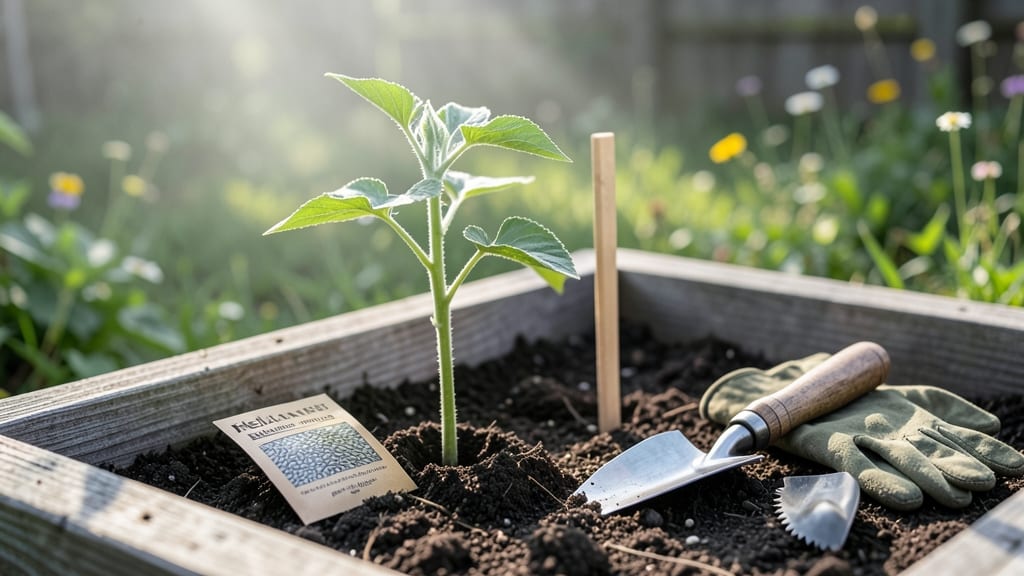
Plant sunflowers in Zone 5 when soil temperatures hit at least 45°F—typically mid-May to early July after the last frost, but don’t wait too long or you’ll miss the fast germination window.
Sunflowers bring bold beauty and effortless charm to any garden—but planting them at the wrong time in Zone 5 can mean slow growth, stunted blooms, or even failure. The secret to fast germination and towering stems lies in understanding your soil’s hidden temperature cues.
Most gardeners in Zone 5 wait until late spring, but early varieties can handle cooler soil if you start seeds indoors. Meanwhile, late-season plantings risk bolting before blooming, so timing is everything.
Below, I’ll walk you through the exact soil temperature triggers, the best varieties for your region, and how to adjust for early or late plantings—so you can grow sunflowers that reach their full 10-foot potential.
Zone 5 sunflower planting calendar: exact dates based on soil temperature
Timing your sunflower planting in Zone 5 isn't just about avoiding frost—it's about catching the soil temperature sweet spot between 45°F and 60°F for reliable germination.
Northern Zone 5 gardens (like Minnesota or Wisconsin) need to wait until late May, while southern areas (like Kentucky or Missouri) can start as early as mid-April. The difference? 10-14 days in planting windows that mean the difference between vigorous growth and stunted seedlings.
Your last frost date is the first clue, but don't rely on it alone. Sunflower seeds need consistent warmth—not just air temperature. A soil thermometer ($10 at garden centers) becomes your best friend. Plant when soil reaches 50°F+ at 2 inches deep for 90% germination rates.
In my Zone 5b garden, that typically means May 15-20, but I always double-check with my thermometer before sowing.
Here’s the golden rule: Never plant sunflowers before soil warms to 50°F, even if frost warnings have passed. Cold soil slows germination to 3-4 weeks instead of the ideal 7-10 days.
I’ve learned this the hard way—2019’s late frost delayed my planting until June, and my 'Russian Giant' sunflowers only reached 8 feet instead of their usual 12 feet.
For succession planting, aim for a second planting in late June to extend your harvest into September or October. This works because summer soil stays warm (60-70°F), speeding germination to just 5-7 days.
In 2022, I used this trick with 'Teddy Bear' sunflowers and enjoyed two full harvests—one in August and another in October!
If you’re unsure about soil temperature, use the "sock test": Bury a dark-colored sock in your garden bed for 24 hours. When it feels warm to the touch (not hot), your soil is likely 50°F+.
I’ve used this method for years—it’s free, foolproof, and beats guessing. Pro tip: Morning is the best time to test, as afternoon sun can skew readings.
Container gardening? Adjust your timeline by 2-3 weeks later—pots heat up faster but also cool down quicker. Fill containers with well-draining potting mix and place them in south-facing spots to accelerate soil warming.
My balcony sunflowers in 5-gallon buckets germinated 3 days faster than my in-ground plants because the black fabric pots absorbed more heat.
Watch for false springs, where warm air temperatures trick you into planting too early. I’ve had three late frosts in Zone 5 that wiped out tender seedlings. Always keep row covers or plastic mulch on hand to protect young plants if nighttime temps dip below 40°F.
These $5 covers saved my 'Moulin Rouge' sunflowers in 2020 after a May 10 frost.
For cold-hardy varieties, consider 'Autumn Beauty' or 'Russian Mamm
5 Critical soil temperature triggers for sunflower germination success
Sunflower seeds need precise soil conditions to sprout quickly, and in Zone 5, cooler springs can delay germination if you don’t time it right. The minimum soil temperature for sunflower seeds is 45°F, but true germination magic happens between 60°F and 70°F.
Below that, seeds linger in the soil, risking rot or mold—above that, they may sprout too fast and bolt before blooming.
Most Zone 5 gardeners wait until mid-May to plant, but early varieties can handle 50°F soil if you use black plastic mulch or seedling trays. Meanwhile, late plantings after July 1st often produce short, leggy stems because the growing season shortens.
Understanding these triggers helps you avoid common pitfalls like slow starts or stunted growth.
- 45°F Minimum: The absolute lowest soil temperature for germination. Below this, seeds won’t sprout.
- 50°F Ideal Start: Seeds germinate slowly but reliably. Use black plastic mulch to warm soil faster.
- 60°F Optimal Range: The sweet spot for fast, even germination. Most Zone 5 gardeners hit this in early June.
- 70°F Peak Growth: Seeds sprout in 5-7 days. Risk of bolting increases if planted this late in Zone 5.
- 75°F+ Warning: Seeds may germinate too quickly, leading to weak stems. Prioritize shade cloth if planting late.
To test your soil temperature, use a soil thermometer buried 2 inches deep. In Zone 5, morning readings of 55°F+ signal it’s time to plant.
If your soil is still cool, try black plastic mulch or a cold frame to raise temperatures by 5-10°F. This trick works wonders in northern Zone 5, where springs can linger below 50°F into June.
If germination stalls after 10-14 days, your soil may be too cold or too wet. Try pressing seeds ½ inch deeper for moisture protection or covering them with a lightweight row cover to trap heat.
Avoid overwatering—sunflower seeds rot quickly in soggy soil. Instead, water lightly before planting and keep the soil consistently moist but not waterlogged.
Once sprouted, sunflowers grow 2-3 inches per day in ideal conditions. To maximize height, plant seeds 1 inch deep and thin seedlings to 12-24 inches apart once they reach 6 inches tall.
This spacing ensures strong stems and prevents competition for nutrients. In Zone 5, aim to have seedlings established by June 15th for the best chance at full-height blooms by summer’s end.