
Plants
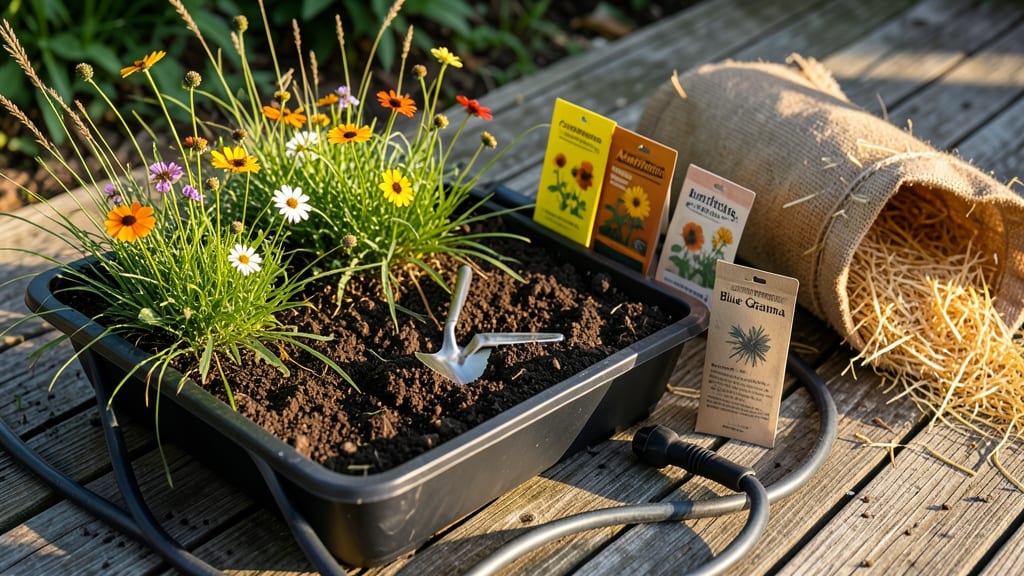
Planting wildflower seeds in Nebraska at the right time means the difference between a burst of color by summer and a season of bare soil. Nebraska’s 5a-6b zones demand precision—too early, and frost zaps tender sprouts; too late, and summer heat dries seeds before they germinate.
Most gardeners assume spring is the only window, but fall planting—when soil stays warm longer—often yields better results. The key is aligning your schedule with frost-free dates (typically after April 15) and native species that thrive in Nebraska’s dry, windy conditions.
In this guide, I’ll break down the best months for your zone, soil prep tricks to beat Nebraska’s clay-heavy dirt, and which wildflowers (like purple coneflower) handle drought like pros. Spoiler: Your timing could add weeks to your blooming season.
Ready to turn your patch into a pollinator paradise? Let’s get those seeds in the ground the smart way—no guesswork, just zero-frost success.
Best months to plant wildflower seeds in Nebraska by climate zone
Nebraska’s three USDA hardiness zones (5a-7a) create distinct planting windows for wildflowers, where timing directly impacts germination success. Zone 5a (western Nebraska) has shorter growing seasons, while Zone 6b (eastern Nebraska) enjoys longer frost-free periods.
Understanding these zones helps you align planting with soil temperatures and frost dates—critical for Nebraska’s unpredictable climate.
Most Nebraska gardeners focus on fall planting (August-September) or early spring (March-April), but annual vs. perennial wildflowers have unique needs. Perennial wildflowers like purple coneflower benefit from fall planting, while annuals like cosmos thrive when sown in late spring after frost danger passes.
Let’s break down the best months for each zone and wildflower type.
Key factors to consider: Last frost dates (typically April 15 in most of Nebraska), first frost dates (around October 15), and soil temperature thresholds (seeds need 40-60°F soil to germinate). Use these as your planting compass.
For Zone 5a gardeners, focus on fall planting (late August) to give wildflowers a head start before winter. Zone 6a offers flexibility—either fall or early spring works, but avoid planting in late spring (May) when drought stress peaks. Zone 7a gardeners can experiment with late summer sowing (June) for annuals, but always monitor soil moisture closely.
Native perennial wildflowers like purple coneflower and butterfly milkweed establish best when planted in fall.
Their seeds need cold stratification (a period of cold moisture) to break dormancy, which naturally occurs during Nebraska winters. Annual wildflowers, however, can be sown directly in spring once soil temperatures rise above 50°F—typically by mid-April in most regions.
Pro tip: Use a soil thermometer to check temperatures before planting. Seeds need consistent warmth (above 50°F) to germinate, and Nebraska’s diurnal temperature swings can delay sprouting. If your soil is below 40°F, wait 2-3 weeks or plant in a protected microclimate like a raised bed.
If you’re planting in spring, aim for March-April but avoid late April when late frosts can still occur. For fall planting, August-September is ideal—seeds germinate slowly in cool soil but avoid the heat stress of late summer. Late September plantings risk early winter dormancy before roots establish.
For drought-prone areas (common in western Nebraska), fall planting is your best bet. Seeds germinate in cool, moist soil and develop deep roots before summer heat arrives. Spring planting in these areas requires daily watering until seedlings are 2-3 inches tall.
Remember: Nebraska’s
How to prepare Nebraska soil for wildflower seed germination success
Nebraska’s clay-heavy soils and variable moisture can challenge wildflower germination, but with the right prep, you’ll create the perfect seedbed. Start by testing your soil’s pH level—most wildflowers thrive in 6.0 to 7.5.
If your soil is too acidic or alkaline, amend it with lime (for acidity) or sulfur (for alkalinity) 2-3 months before planting. This gives the soil time to adjust naturally.
Next, tackle soil compaction, a common issue in Nebraska’s heavy clay. Use a broadfork or tilling tool to loosen the top 6 inches of soil without disturbing deeper layers.
For large areas, consider renting a rototiller for efficiency. Break up clumps and remove any rocks or debris that could hinder seed contact.
Weed control is critical—competition from grasses and broadleaf weeds can starve out your wildflower seedlings. Apply a pre-emergent herbicide like corn gluten meal (organic option) or glyphosate (synthetic) 4-6 weeks before planting.
For mechanical control, hand-pull weeds or use a flame weeder in late winter to kill dormant weed seeds. Mulch with straw or wood chips after planting to suppress weeds long-term.
🌱 Nebraska Soil Prep Checklist
- ☑️ Test pH (aim for 6.0–7.5)
- ☑️ Loosen soil to 6" depth
- ☑️ Remove weeds (hand-pull or herbicide)
- ☑️ Add compost (1–2 inches)
- ☑️ Level surface for even seed distribution
For clay-heavy soils, mix in organic matter like compost or well-rotted manure to improve drainage and structure. Aim for 1–2 inches of compost spread evenly over the area.
Rake lightly to incorporate it into the topsoil, but avoid overworking the soil, which can create a powdery texture that repels water. If your soil is too sandy, add peat moss or coconut coir to retain moisture.
Decide between direct sowing or transplanting seedlings based on your wildflower mix. Most native Nebraska wildflowers (like black-eyed Susan or purple coneflower) germinate better when direct-sown in fall or early spring.
For delicate species, start seeds indoors 6–8 weeks before your last frost date (typically mid-April in most of Nebraska) and transplant after the soil warms to 50°F (10°C).
After sowing, create a microclimate to protect seeds from Nebraska’s droughts and wind. Use a lightweight mulch like straw or a seedling mat to retain moisture and regulate temperature.
Water gently but thoroughly to settle seeds into the soil, then maintain consistent moisture until germination (usually 10–30 days, depending on the species). Avoid overhead watering to prevent soil crusting, which can suffocate seeds.
Finally, monitor your soil’s moisture and temperature closely. Nebraska’s spring frost risks and summer droughts demand vigilance. Use a soil thermometer to ensure seeds stay in their optimal germination range (50–75°F).
If planting in late summer or fall, aim for seeds to germinate before first frost (mid-October), giving seedlings time to establish roots.