
Companion Plants
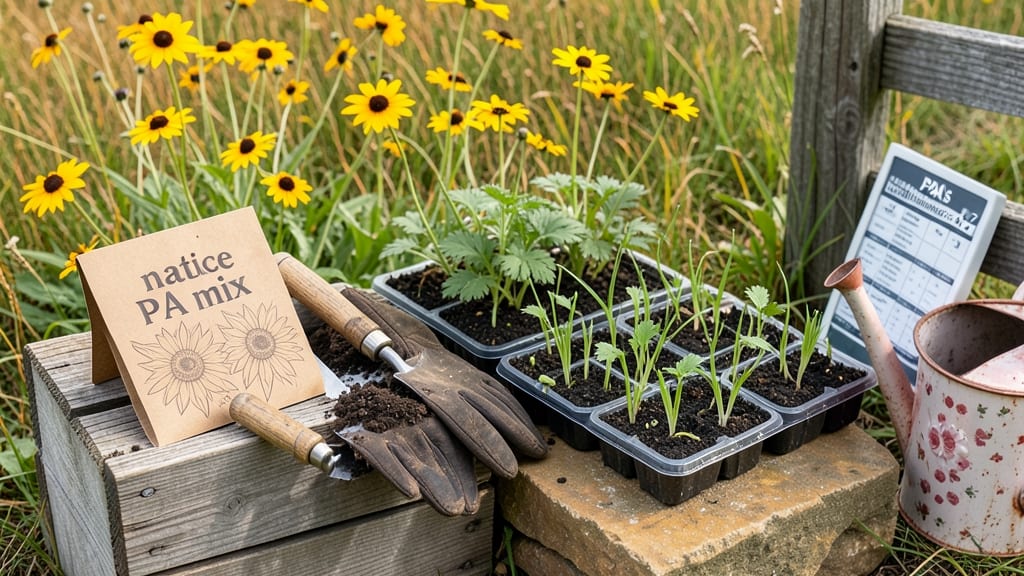
Plant wildflower seeds in Pennsylvania during early spring (March-April) or fall (September-October) for the best results 🌼 — timing that aligns with your local microclimate can mean the difference between a meadow bursting with color and a patch of dirt.
Pennsylvania’s diverse regions—from the humid Appalachian foothills to the cooler Lake Erie shores—create unique planting challenges. What works in Philadelphia’s milder climate might fail in Pittsburgh’s frost-prone valleys, making localized timing the key to success.
Below, I break down the ideal months for each zone, how to prep your soil for maximum germination, and why fall planting often outperforms spring in Pennsylvania’s unpredictable weather.
You’ll also discover how to adjust for urban heat islands, rural frost pockets, and the one soil trick that doubles your wildflower survival rate—no guesswork, just proven strategies for vibrant blooms year after year.
Pennsylvania wildflower planting calendar by hardiness zones 5-7
Timing is everything when planting wildflowers in Pennsylvania, where USDA zones 5b-7a create distinct seasonal windows for success. The best planting months are early spring (March-April) and fall (September-October), but regional microclimates—like Pittsburgh's cooler valleys or Philadelphia's humid coastal areas—can shift these by 2-4 weeks.
Understanding your last frost date (typically April 15) and first frost (around October 15) ensures seeds germinate in optimal conditions.
Fall planting offers cooler soil temperatures and fewer weeds, while spring planting gives flowers a head start for summer blooms. For Pennsylvania natives like milkweed, coneflowers, and black-eyed Susans, timing directly impacts germination rates and first-year blooms.
Let’s break down the month-by-month schedule tailored to your zone, with adjustments for regional variations.
| Month | Zone 5b (Pittsburgh, State College) | Zone 6a (Lancaster, Harrisburg) | Zone 7a (Philadelphia, Allentown) | Notes |
|---|---|---|---|---|
| February | Prep soil (remove weeds, loosen top 2") | Prep soil (add compost if needed) | Prep soil (test pH if acidic) | Cold-hardy species like wild bergamot can be sown under frost. |
| March | Plant seeds (soil 40°F+) | Plant seeds (soil 45°F+) | Plant seeds (soil 50°F+) | Cover with light mulch (straw or leaves) to retain moisture. |
| April | Monitor for sprouts (keep soil moist) | Monitor for sprouts (thin seedlings if crowded) | Monitor for sprouts (protect from late frosts) | Average last frost: April 15 (adjust for elevation). |
| May | Reduce watering (established roots) | Mulch to suppress weeds | First blooms appear (e.g., coreopsis) | Drought-tolerant species thrive with minimal water. |
| September | Plant seeds (soil 50°F+) | Plant seeds (soil 55°F+) | Plant seeds (soil 60°F+) | Fall planting avoids summer heat stress. |
| October | Cover seeds if frost threatens | Water lightly before winter | Mulch heavily for insulation | Average first frost: October 15 (earlier in mountains). |
| November | Leave soil undisturbed | Avoid fertilizing (dormant season) | Plan next year’s seed mix | Native seeds overwinter well in undisturbed soil. |
In Zone 5b (e.g., Pittsburgh and State College), cooler temperatures mean earlier planting in spring and a shorter fall window. Start seeds indoors in late February for a jumpstart, or sow directly when soil reaches 40°F.
For Zone 6a (Lancaster, Harrisburg), you’ll have a 2-week buffer—plant in early March or late September—while Zone 7a (Philadelphia, Allentown) allows until mid-April or early October.
Regional adjustments matter: Mountainous areas (e.g., Poconos) may need 2 weeks later for spring planting due to lingering snow, while coastal regions (e.g., Delaware Valley) can plant 1 week earlier thanks to milder winters.
Always check your local frost dates—tools like the National Weather Service or Penn State Extension provide hyper-local data.
Pro tip: Scatter seeds thinly (no need to bury deeply—most wildflowers need light to germinate) and lightly rake to ensure soil contact. After planting, keep the area moist but not soggy for the first 4-6 weeks. Once established, wildflowers are drought-tolerant, but consistent
Best wildflower seed types for Pennsylvania’s fall vs. spring planting
Choosing the right wildflower seeds for Pennsylvania isn’t just about the species—it’s about when you plant them. Fall planting often outperforms spring in PA’s variable climate, giving seeds time to establish roots before winter.
But some native wildflowers like black-eyed Susans and coneflowers thrive equally well in either season, depending on your microclimate.
For fall planting (September-October), focus on hardy perennials like milkweed and bee balm, which germinate in cool soil and bloom the following year. Spring planting (March-April) works better for annuals like sunflowers and cosmos, which need warm soil to sprout quickly.
Let’s break down the best options for each season to maximize your meadow’s impact.
Fall Planting (Sept-Oct) vs. Spring Planting (Mar-Apr)
Fall Planting
- Pros: Seeds establish roots before winter, higher survival rates, blooms next year
- Cons: Limited seed selection, germination delayed until spring
Spring Planting
- Pros: Wider seed variety, faster germination, immediate blooms (annuals)
- Cons: Drought risk, competition from weeds, lower survival in hot summers
If you’re planting for pollinators, prioritize milkweed in fall—its deep roots anchor before winter, and it blooms reliably by summer. For quick color, spring-planted cosmos and zinnia will reward you with blooms within 6-8 weeks.
Both strategies work, but fall planting often yields hardier, longer-lived meadows in PA’s unpredictable weather.
For best results, combine both seasons: sow perennials like coneflowers in fall for next year’s blooms, then add annuals like sunflowers in spring for instant color. This two-season approach creates a continuous bloom cycle that attracts pollinators from early summer through fall.
One common mistake? Overlooking soil temperature. Fall seeds need soil temps between 40-60°F to germinate, while spring seeds thrive in 50-70°F soil. Use a soil thermometer to time your planting—this small tool can save you from wasted seeds.
Pro tip: If you’re in Zone 6 (Poconos) or 7 (Philadelphia), fall planting is your best bet—these areas experience earlier frosts, and seeds benefit from winter’s natural chilling period.
For Zone 5 (Erie), spring planting may be safer due to harsher winters, but test your soil first to avoid early frost surprises.