
Plants
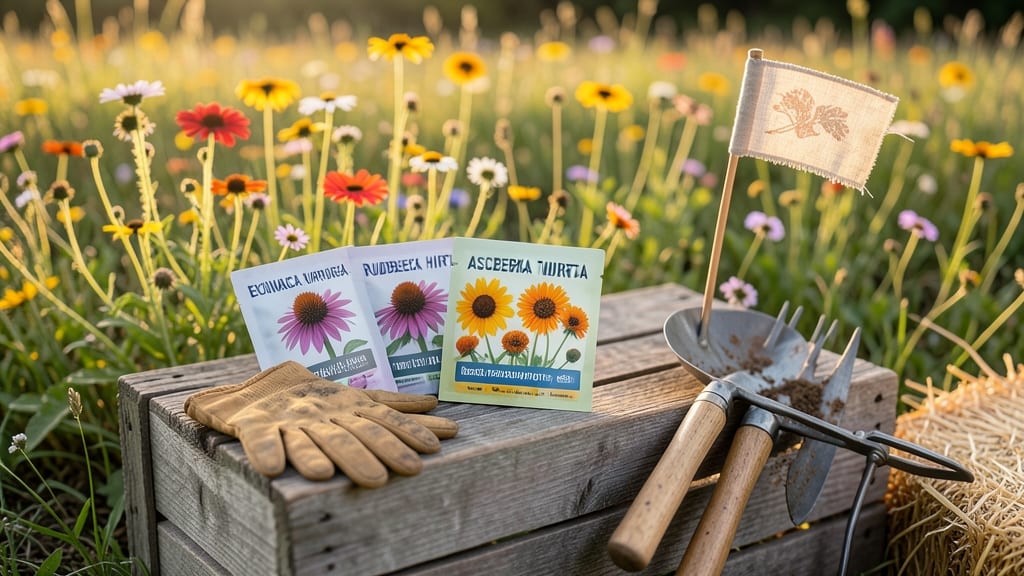
Plant wildflower seeds in Minnesota between early May and late July, when soil temperatures stay above 50°F and the last frost has passed for good.
If you’ve ever watched your wildflower meadow fail to bloom—or worse, disappear before spring—you know timing is everything. Minnesota’s USDA Zone 3-5 climate demands precision: plant too early, and frost will wipe them out; too late, and summer heat stresses young sprouts.
This guide breaks down the best windows for spring and fall planting, how to prep your soil for Zone 4b’s rocky or clay-heavy conditions, and which native species thrive when seeded at the right moment.
By the end, you’ll know exactly when to scatter those seeds for a vibrant, pollinator-friendly meadow that lasts for years.
Best planting windows for Minnesota wildflowers: spring vs fall timing breakdown
Minnesota’s USDA Zone 4b climate demands precise timing for wildflower success. Spring planting offers early blooms, while fall planting ensures stronger root establishment before winter. The key difference? Soil temperatures and frost cycles—both critical for germination and survival in Minnesota’s unpredictable weather.
For spring planting, aim for late April to early May after the last frost date (typically mid-May). Southern Minnesota may start earlier, while northern regions should wait until soil warms to 50°F (10°C).
Fall planting, however, has a narrower window: late August to mid-September before the first frost hits (mid-October).
Annual wildflowers like Black-eyed Susan and Cosmos thrive with spring planting, while perennials such as Purple Coneflower and Butterfly Weed benefit from fall’s cooler temperatures. The regional microclimate matters too—southern Minnesota’s milder winters allow slightly later fall plantings than northern areas.
Here’s how frost cycles impact your timing: Seeds planted too early in spring may rot if soil stays cold, while fall plantings need 6-8 weeks before frost to establish roots. Use this comparison table to match your wildflowers to the best season and region.
Spring planting requires consistent moisture to prevent seed desiccation during Minnesota’s dry winds. Use a light mulch (straw or leaves) to retain soil warmth and moisture. For fall plantings, focus on well-draining soil to prevent waterlogging before winter—clay-heavy soils in Zone 4b need extra attention.
Perennials like Wild Bergamot and Prairie Smoke are ideal for fall planting because their roots establish deeply before winter dormancy. Annuals such as Sunflower and Zinnia, however, need the longer daylight of spring to germinate and bloom quickly.
Test your soil’s moisture retention by squeezing a handful—if it crumbles easily, it’s ready for seeds.
Regional variations matter: Southern Minnesota’s warmer microclimates (e.g., Twin Cities) allow for earlier spring plantings, while northern areas (e.g., Duluth) should wait until soil temperatures stabilize. Use a soil thermometer to confirm readiness—seeds won’t germinate below 45°F (7°C) for most wildflowers.
Frost cycles are your biggest challenge. A late spring frost can kill tender seedlings, while an early fall frost may not harm established roots. For insurance, plant half your seeds in spring and the other half in fall.
This staggered approach ensures blooms year after year, regardless of Minnesota’s whims.
Pro tip: If you miss the fall window, stratify your seeds by mixing them with moist sand and refrigerating for 4–6 weeks to mimic winter conditions. This tricks seeds into thinking they’ve experienced a cold period, improving germination rates when you finally plant in spring.
Remember, wildflowers are resilient—but timing is everything in Minnesota’s short growing season. Whether you choose spring’s vibrant blooms or fall’s steady roots, align your planting with the natural rhythms of Zone 4b’s climate. Your pollinators will thank you with years of color and life. 🌼
How to prepare your Minnesota site for wildflower success: soil, sun, and seed mix tips
Before scattering a single seed, your Minnesota site needs the right conditions to help wildflowers thrive. Zone 4b’s rocky terrain and clay-heavy soils demand extra prep work to ensure proper drainage and nutrient balance.
Skipping this step often leads to poor germination or stunted growth—so let’s get your soil and space ready for success.
Start by testing your soil pH (aim for 6.0–7.5) and drainage with a simple DIY test. Dig a 6-inch hole, fill it with water, and time how long it takes to drain. If water pools for more than 6 hours, amend the soil with compost or sand to improve aeration.
Minnesota’s clay soils can be stubborn, but breaking them up with a broadfork or rototiller makes a world of difference.
Wildflowers need full sun exposure (6+ hours daily) to bloom their best. Scan your site for areas with partial shade—these spots work for shade-tolerant species like wild columbine or Virginia bluebells, but most meadow mixes struggle without ample light. Mark sunniest patches with flags to guide seed placement.
🌱 Minnesota Wildflower Site Prep Checklist
- Clear debris: Remove weeds, rocks, and old plant matter from your planting area.
- Test soil: Check pH (6.0–7.5) and drainage; amend with compost or sand if needed.
- Loosen soil: Break up compacted clay or rocky patches with a broadfork or rototiller.
- Choose seeds: Pick native mixes (e.g., Prairie Restoration) for best local adaptation.
- Mark sun spots: Identify areas with 6+ hours of sun for optimal wildflower growth.
Selecting the right seed mix is just as critical as soil prep. Native wildflowers like black-eyed Susan or purple coneflower thrive in Minnesota’s climate, while ornamental mixes may require more maintenance.
For rocky or clay-heavy sites, opt for low-competition species like wild bergamot or butterfly weed, which tolerate tough conditions better.
After prepping your site, scatter seeds evenly and lightly rake them into the soil. Press them gently to ensure contact with the earth, then water thoroughly—but avoid over-saturating, which can wash seeds away. Mulch with straw or leaves to retain moisture and suppress weeds, especially in Minnesota’s dry summers.
With your soil tested, sun exposure mapped, and seeds chosen wisely, your wildflower meadow is ready to flourish. Remember: patience is key—some species may take 1–2 years to fully establish, but the pollinators will thank you for years to come! 🌼