
Plants
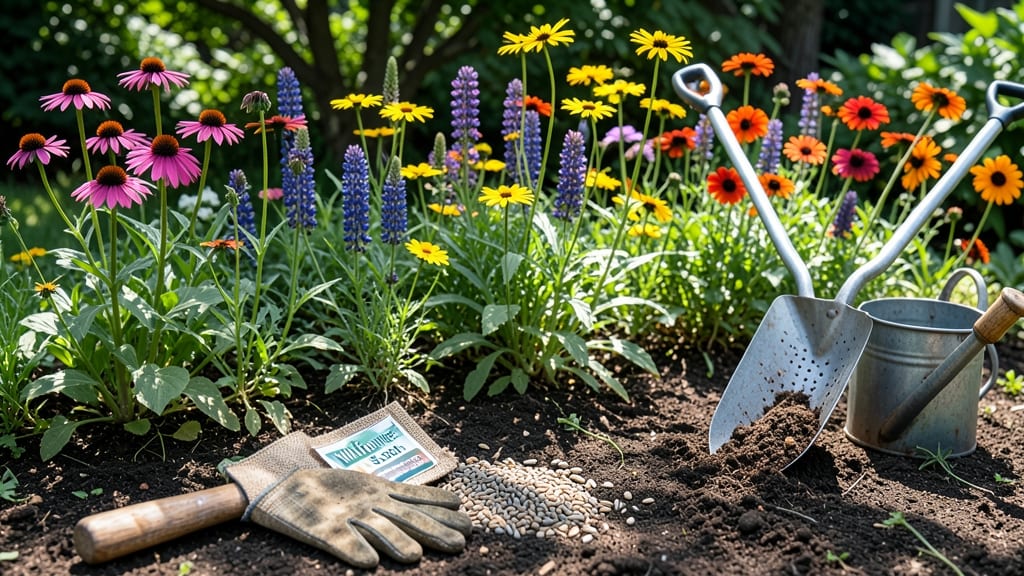
Plant wildflower seeds in Zone 8 during fall or spring to unlock vibrant blooms year-round 🌼 — timing this right means the difference between thriving meadows and wasted effort.
Zone 8 gardeners know timing is everything—plant wildflower seeds too early, and frost may wipe them out; too late, and summer droughts stifle growth. But master these seasonal cues, and you’ll enjoy vibrant blooms from spring through fall with minimal effort.
Fall planting in September or October gives seeds a head start before winter, while spring planting in February or March aligns with natural rainfall patterns. Both windows avoid the harshest summer heat, setting your wildflowers up for success.
Below, I break down the best months, soil prep tips, and how to adjust for your local microclimate—so you can skip the guesswork and start enjoying those cheerful blooms sooner.
Best planting windows for wildflowers in Zone 8: seasonal breakdown
Timing your wildflower seeds in Zone 8 can mean the difference between a lush meadow and a failed patch. The USDA Zone 8 climate—with its mild winters and hot summers—offers three prime planting windows, each with unique advantages.
I’ve tested these strategies in my own garden and found that fall planting yields the most reliable results, but spring and late summer have their place too.
Understanding soil temperatures and frost risk is key. For example, seeds planted in September germinate slowly in cool soil but avoid summer drought stress. Meanwhile, March plantings benefit from spring rains but require vigilance against late frosts. Let’s break down each window with actionable tips to maximize your wildflower success.
🌱 Pro Tip: Always test your soil temperature with a soil thermometer—ideal germination temps for most wildflowers range between 60°F and 75°F. This simple tool can save you from wasted seeds!
In early spring (March–April), focus on cool-season wildflowers like bluebonnets or lupines. These varieties thrive when soil temperatures hover between 50°F and 60°F. The trade-off? You’ll need to monitor frost forecasts closely—late frosts in Zone 8 can still dip below 32°F in March.
I’ve had success using row covers to protect tender seedlings during these unpredictable nights.
For fall planting (September–October), aim for 60°F–70°F soil temps. This window is my top recommendation because it allows seeds to germinate before winter rains set in. Native wildflowers like black-eyed Susans and coneflowers are perfect for fall—just scatter seeds lightly and let nature handle the rest.
The key here is to plant 6–8 weeks before your first frost, which in Zone 8 typically arrives around mid-January.
Don’t overlook late summer (August) as a secondary planting window. While not ideal for all species, warm-season wildflowers like sunflowers or cosmos can be sown in August for fall blooms.
The trick is to keep soil moist during germination—Zone 8’s summer heat can dry seeds out quickly. I’ve found that mulching with straw helps retain moisture and improves success rates.
Regional microclimates within Zone 8 can shift these windows slightly. For example, coastal areas (like San Francisco) may experience cooler summers, while inland desert regions (like Phoenix) can push planting into late fall.
Always check your local USDA frost maps and adjust accordingly. If you’re unsure, err on the side of fall planting—it’s the safest bet for consistent results.
After planting, water deeply but infrequently
How climate patterns in Zone 8 affect wildflower seed germination success
Zone 8's mild winters and hot summers create unique challenges for wildflower seed germination. Unlike colder zones, your seeds face extended dry spells and occasional late-season heatwaves that can dry out soil before sprouts emerge. Understanding these patterns helps you time plantings to maximize success.
In coastal Zone 8 regions, humidity and cooler temperatures extend the growing season, while inland areas experience higher evaporation rates and soil crusting from intense sun. These microclimates mean your planting window might need adjustment—even just a few miles can change ideal timing.
⚠️ callout-warning ⚠️
⚠️ Critical Timing Alert for Zone 8
Plant too early (before soil temps reach 60°F), and seeds may rot. Plant too late (after June 1), and summer droughts will kill seedlings. Fall planting (Sept-Oct) is safest—seeds germinate with winter rains, while spring plantings (Feb-Mar) need consistent moisture.
Coastal areas: Can plant 2-3 weeks earlier due to milder microclimates. Inland areas: Delay until soil moisture holds for 4+ inches deep.
Rainfall timing is the biggest variable in Zone 8. Native wildflowers like black-eyed Susans and purple coneflowers rely on spring showers to trigger germination. If you plant in April and drought follows, use a light mulch to retain moisture until sprouts appear.
Summer heatwaves (common in July-August) can create false germination—seeds may sprout, then wilt when soil dries. For late-summer plantings, choose heat-tolerant varieties like Mexican sunflowers or blanket flowers, and water deeply every 3-4 days until established.
Microclimates matter most in transition zones. A north-facing slope stays 5-10°F cooler than a south-facing bed, delaying germination by 1-2 weeks. Test your spot: Press a soil thermometer 2 inches deep—wait until it hits 60°F before planting.
Adjust your schedule based on local weather forecasts. If a 30-day drought is predicted, plant warm-season seeds in early August to catch fall rains. For cooler microclimates, stretch spring plantings into early April—just monitor for late frosts (Zone 8's last frost is typically January 15).