
Flowers
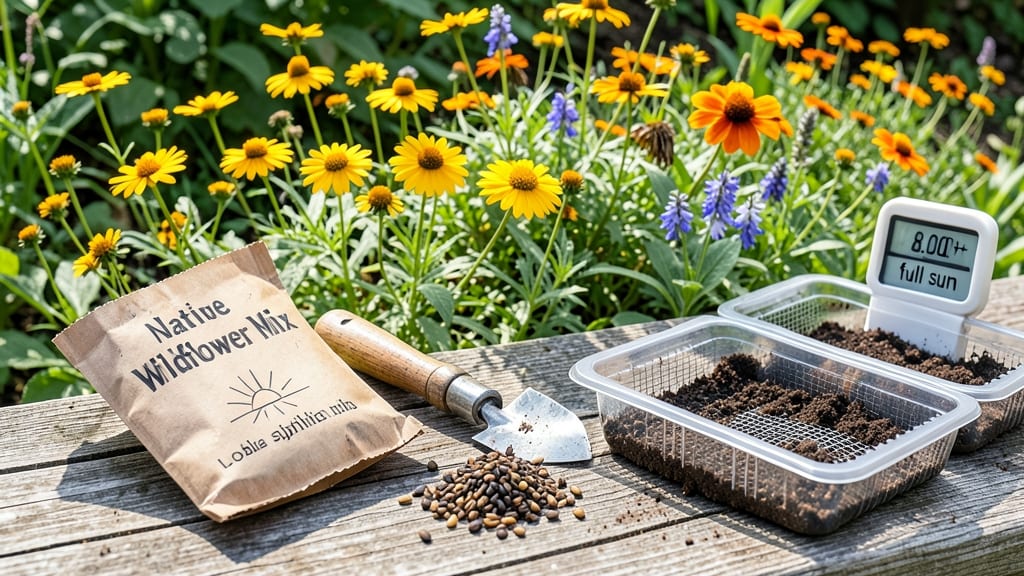
Planting wildflowers in Alabama at the right time ensures vibrant blooms and thrives in the state’s mild climate 🌼 — aim for late winter to early spring or fall, when soil temps and moisture align.
Alabama’s long growing season makes it a wildflower paradise, but timing is everything to avoid frost damage and ensure those colorful blooms take hold. Get it wrong, and you might end up with leggy, weak plants or missed blooms entirely.
In this guide, I’ll break down the best months for your USDA Zone 7b-8a region, including how to prep your soil and care for your wildflowers once they’re planted. Whether you’re going for black-eyed Susans or native species, these tips will help you get the most out of your garden.
You’ll also discover how to choose the right seed varieties for Alabama’s climate, from drought-resistant picks to pollinator-friendly options, so your wildflowers not only survive but thrive year after year.
Best planting months for wildflowers in Alabama’s USDA Zones 7b-8a
Alabama’s USDA Zones 7b-8a offer a unique advantage for wildflower gardeners: a long, frost-free growing season and mild winters. But even here, timing matters—plant too early, and frost can damage tender sprouts; too late, and summer heat may stress young plants.
The best window depends on whether you’re planting for spring blooms or fall color, with regional differences between North Alabama’s cooler climate and South Alabama’s humidity.
For spring wildflowers, aim to sow seeds 6-8 weeks before your last frost date—typically late February to early March in North Alabama and early March to mid-March in South Alabama. This gives seeds time to germinate before warmer soil temps arrive.
Meanwhile, fall planting (for spring blooms) should occur 8-10 weeks before first frost, landing in September to early October across both regions.
Here’s the breakdown you need to avoid common mistakes like frost damage or overwatering during Alabama’s unpredictable spring rains:
| Planting Window | Ideal Months | Soil Temp Requirement | Frost Risk | Regional Notes |
|---|---|---|---|---|
| Spring Planting (Spring Blooms) | Late Feb - Early Mar | 50-60°F | Moderate (North AL) | North AL: Wait until mid-March; South AL: Early March safe |
| Fall Planting (Spring Blooms) | Sep - Early Oct | 60-70°F | Low (South AL); Moderate (North AL) | September best for North AL; October riskier in South AL |
| Summer Planting (Fall Blooms) | Late July - Aug | 70-80°F | None | South AL thrives; North AL may need shade cloth |
North Alabama’s cooler microclimates (like the Appalachian foothills) often experience later last frosts—sometimes as late as April 15. If you’re in Madison or Huntsville, delay spring planting until mid-March to avoid 28°F frost surprises.
Meanwhile, Mobile or Birmingham gardeners can plant 2-3 weeks earlier thanks to warmer soil and higher humidity.
One of my favorite fall planting tips is to sow seeds in September for North Alabama and early October for South Alabama. This allows seeds to stratify naturally (a cold treatment that breaks dormancy) without exposing them to early winter frosts.
For example, black-eyed Susans and cone flowers germinate best when soil temps hover around 60°F, which September often delivers.
Watch for soil moisture during Alabama’s unpredictable spring rains. While wildflowers are drought-tolerant, overwatering in March or April can lead to seed rot. A light 1/4-inch watering every 3-4 days is ideal until seeds sprout.
In South Alabama’s humidity, reduce watering slightly to prevent fungal diseases like powdery mildew.
Pro tip: Use a soil thermometer to check temps before planting. Wildflower seeds need consistent soil temps between 50-70°F to germinate reliably. In North Alabama’s cooler springs, wait until soil reaches 55°F for spring planting; in South Alabama, 60°F is the sweet spot.
This simple tool can save you from uneven germination or slow growth.
Don’t overlook microclimate variations within Alabama. For instance, coastal areas like Gulf Shores have warmer winters and can plant wildflowers in November for spring blooms, while higher elevations near Lookout Mountain may need to wait until April.
Always check your local frost dates from the Alabama Extension Service for precise timing.
For summer-blooming wildflowers like coreopsis or salvia, plant in late July to August to avoid peak summer heat stress. These varieties thrive with morning sun and afternoon shade during Alabama’s 90°F+ days. Mulch with straw or pine needles to retain moisture and cool roots.
Remember: Native wildflowers adapted to Alabama’s climate (like purple coneflower or butterfly milkweed) are the easiest to grow. They’ve evolved to handle our humidity, heat, and occasional droughts, making them the low-maintenance choice for beginners.
Plant them at the right time, and you’ll enjoy vibrant blooms from spring to fall with minimal effort. 🌼
How to choose wildflower seed varieties for Alabama’s climate
Selecting the right wildflower seed varieties for Alabama’s climate means balancing native species with drought-resistant options that thrive in USDA Zones 7b-8a. Native varieties like black-eyed Susans and coneflowers adapt effortlessly, while non-natives may require extra care to handle Alabama’s humidity and heat spikes.
Alabama’s long growing season allows for spring ephemerals like trilliums and bloodroot to bloom early, followed by summer perennials such as coreopsis and purple coneflower. Choosing pollinator-friendly options ensures your garden supports bees, butterflies, and hummingbirds year-round.
Drought-resistant picks like wild bergamot and partridge pea are ideal for Alabama’s hot, dry summers, while moisture-loving varieties such as cardinal flower thrive near water sources. Always prioritize local ecotypes for the best success rate.
Native Wildflower Varieties for Alabama
- Local adaptation to soil and climate
- Supports pollinators naturally
- Low maintenance once established
- May have shorter bloom times
- Limited color variety compared to non-natives
Non-Native Wildflower Varieties for Alabama
- Wider color and height options
- Often longer bloom seasons
- May outcompete natives for resources
- Requires more water in drought conditions
For spring ephemerals, plant bloodroot and dutchman’s breeches in fall for early blooms, while summer perennials like black-eyed Susans should go in late winter to early spring. This timing ensures they establish roots before Alabama’s hot summers arrive.
Always check seed packets for bloom time and mature height to avoid overcrowding. Mixing tall varieties like Joe Pye weed with short ground covers such as creeping phlox creates a layered, visually appealing garden that thrives in Alabama’s humid climate.
Prioritize pollinator-friendly mixes that include milkweed for monarchs and bee balm for bees. These varieties not only beautify your garden but also play a crucial role in supporting Alabama’s ecosystem.